- Why Fireplace Type Determines Your Cleaning Needs
- Wood-Burning Fireplace Cleaning in NJ
- Gas Fireplace Cleaning in NJ
- Gas vs. Wood-Burning Fireplaces: Side-by-Side Comparison
- What Happens If You Skip Fireplace Cleaning
- Chimney Repair: When Cleaning Reveals a Bigger Problem
- Booking Fireplace Cleaning in NJ
- Seasonal Timing for NJ Homeowners
- Frequently Asked Questions
- The Right Cleaning for Your Fireplace Type
The type of fireplace you have matters more than most homeowners realize when it comes to cleaning. Gas and wood-burning fireplaces both need regular service, but they accumulate different residues, carry different risks, and require different approaches. Getting the wrong type of cleaning—or skipping it entirely—can mean poor air quality, carbon monoxide exposure, or a chimney fire.
Here's what each fireplace type actually needs, how often, and what to expect when you book a professional cleaning in New Jersey.
Why Fireplace Type Determines Your Cleaning Needs
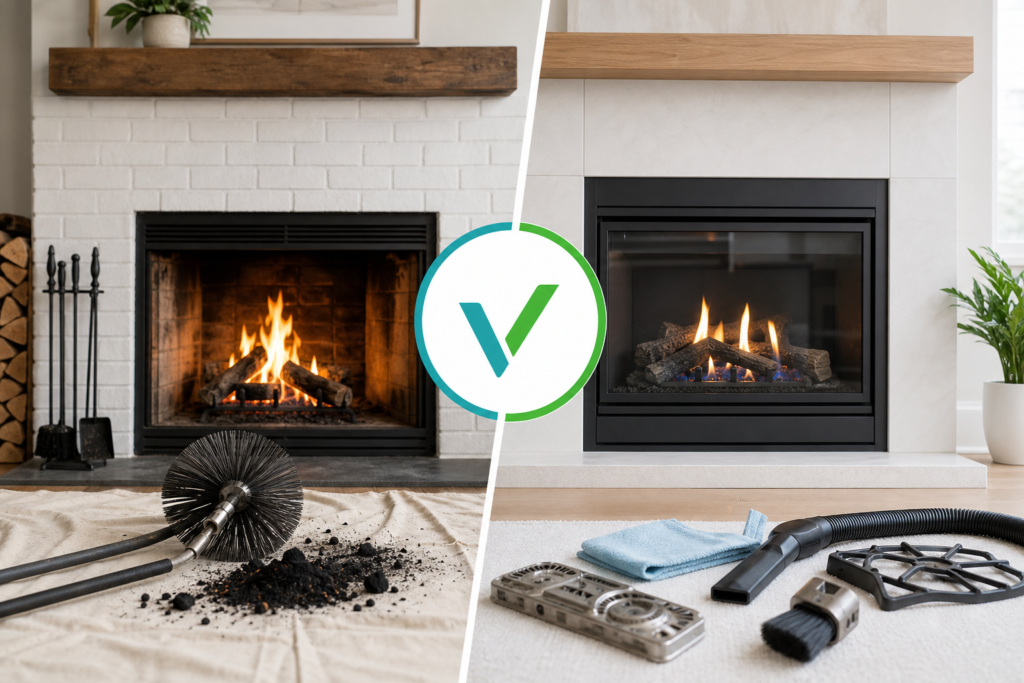
Wood-burning and gas fireplaces share one thing in common: both vent combustion byproducts through a flue. Beyond that, they work differently and produce different kinds of buildup.
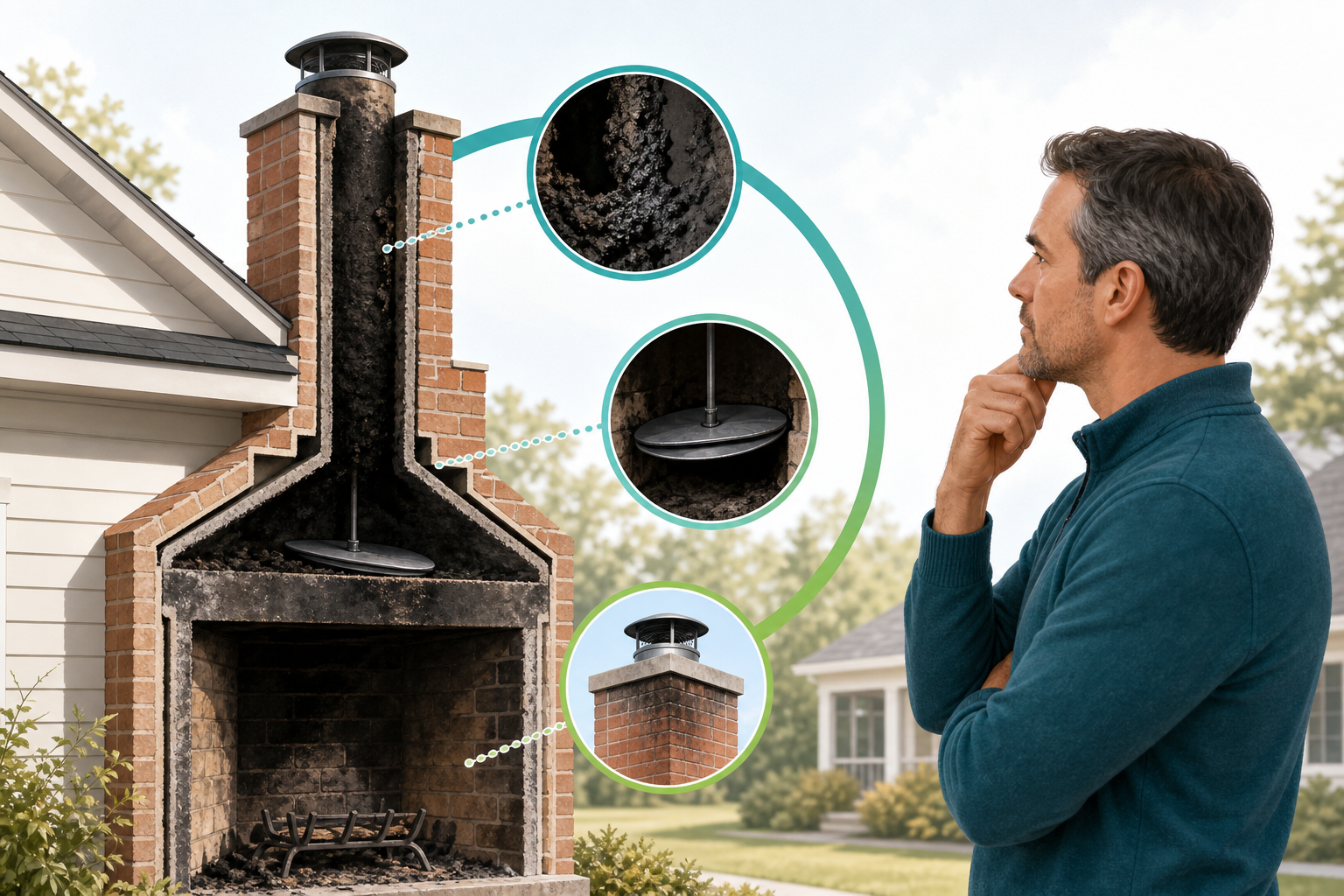
Wood fires produce creosote, a tar-like compound that coats the inside of your flue and is the primary cause of chimney fires. Gas fireplaces burn much cleaner, but they still generate soot, dust, and moisture that can corrode components over time.
Treating both the same way is a mistake. A wood-burning fireplace cleaned on a gas fireplace schedule will accumulate dangerous creosote. A gas fireplace serviced with the aggressive brushing used on wood flues risks damaging sensitive components.
Wood-Burning Fireplace Cleaning in NJ
What Builds Up and Why It’s Dangerous
Every time you burn wood, combustion gases travel up the flue. As they cool against the flue walls, they condense into creosote. Stage one is a light, flaky deposit that brushes away easily. Stage two is a thicker, tar-like coating. Stage three is a hardened, glazed layer that's extremely difficult to remove and highly flammable.
New Jersey winters are long, and many homeowners burn wood from October through March. A full season of regular use can push a flue from stage one to stage two faster than you'd expect—especially in older homes where flue liners may already be cracked or undersized.
How Often Should You Clean a Wood-Burning Fireplace?
The Chimney Safety Institute of America recommends inspecting and cleaning wood-burning fireplaces at least once per year. If you burn frequently, twice a year is reasonable. The best time to schedule is late summer or early fall, before the first fire of the season.
If you've moved into a home and don't know the service history, schedule a cleaning before you use it—regardless of the time of year.
What a Professional Wood Fireplace Cleaning Covers
A thorough cleaning includes:
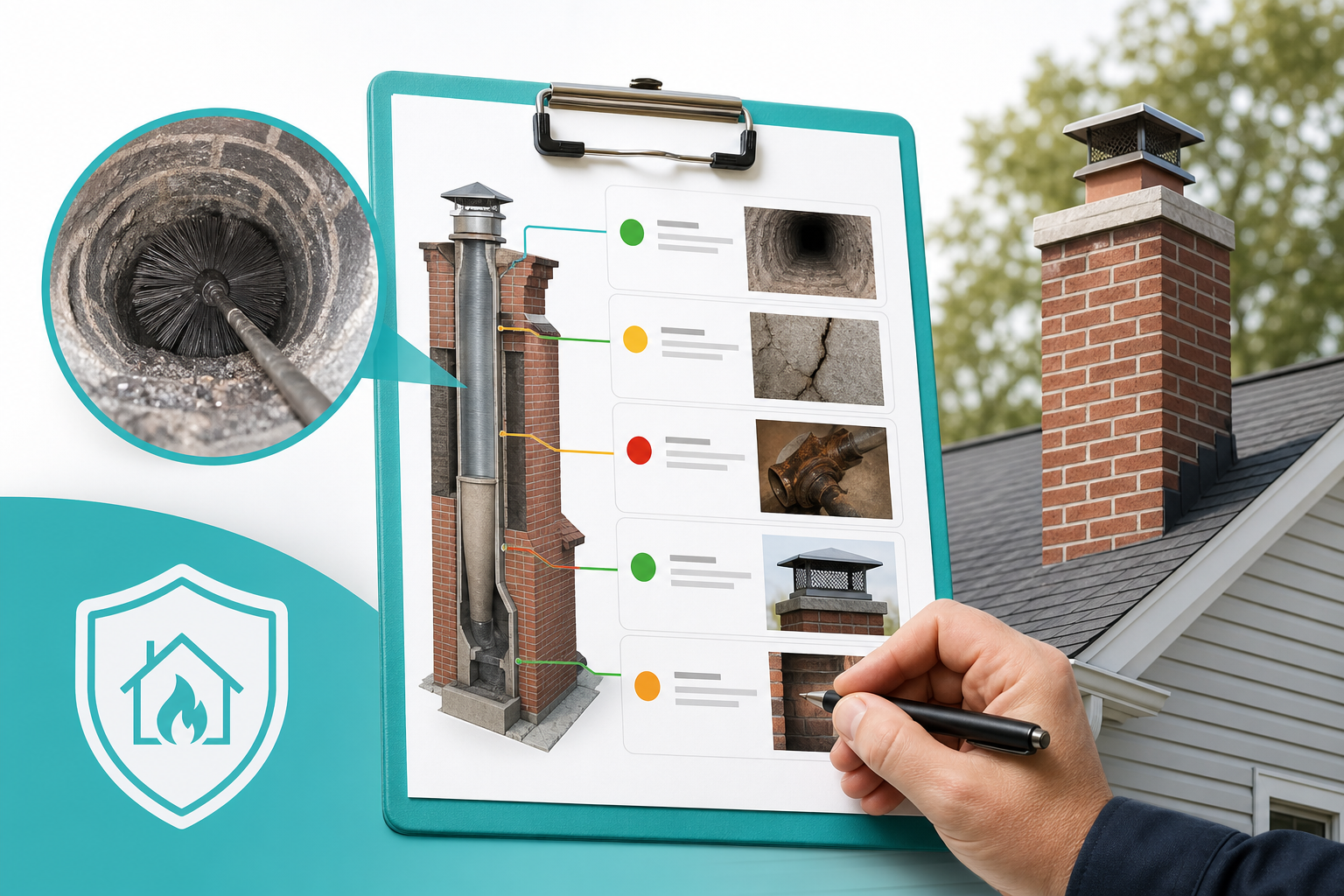
- Brushing the flue liner from top to bottom to remove creosote and soot
- Cleaning the firebox, smoke shelf, and damper area
- Inspecting the damper for proper operation
- Checking the flue liner for cracks or deterioration
- Removing debris from the firebox floor
- Inspecting the chimney cap and crown for damage
The technician should also check for animal nests or blockages—common in NJ homes where chimneys sit unused through spring and summer.
Signs Your Wood Fireplace Needs Cleaning Now
- Smoke backs up into the room when you light a fire
- There's a strong, unpleasant odor coming from the fireplace
- The fire burns poorly or goes out quickly
- You can see visible black buildup inside the firebox
- A home inspector flagged the chimney during a recent inspection
Gas Fireplace Cleaning in NJ
What Accumulates in a Gas Fireplace
Gas burns cleaner than wood, but cleaner doesn't mean maintenance-free. Over time, gas fireplaces collect:
- Dust and pet hair on the burner and logs
- Soot from incomplete combustion
- Moisture condensation that corrodes the burner assembly
- Debris around the gas logs or glass panels
The glass panel is a common problem area. Mineral deposits and soot fog the glass, reducing the visual appeal and sometimes signaling combustion issues.
How Often Should You Clean a Gas Fireplace?
Most manufacturers recommend annual service. Even if you use your gas fireplace infrequently, dust on the burner can affect flame quality and combustion efficiency.
Yellow or orange flames instead of the expected blue-and-yellow pattern, or a pilot light that keeps going out, are signs the burner or thermocouple needs attention beyond a standard cleaning.
What a Professional Gas Fireplace Cleaning Covers
Gas fireplace cleaning is more detail-oriented than it might look from the outside:
- Cleaning the burner assembly and removing dust and debris
- Inspecting and cleaning the gas logs or media (glass beads, stones)
- Cleaning the glass panel inside and out
- Checking the pilot light assembly and ignition system
- Inspecting the venting system for obstructions
- Checking the damper or flue seal
- Testing remote or wall switch controls
For gas fireplaces with electronic ignition or remote-controlled dampers, a technician should verify those systems are working correctly. Certified Home Solution's chimney repair scope includes electric fireplace components, so those checks are part of the service rather than a separate add-on.
Signs Your Gas Fireplace Needs Cleaning
- The glass is consistently cloudy or stained after use
- You smell gas or a burning odor when the fireplace runs
- Flames look irregular or the burner sounds different than usual
- The pilot light goes out repeatedly
- The fireplace hasn't been serviced in over a year
Gas vs. Wood-Burning Fireplaces: Side-by-Side Comparison
| Factor | Wood-Burning | Gas |
|---|---|---|
| Primary residue | Creosote and soot | Dust, soot, moisture |
| Fire risk | High (creosote is flammable) | Lower, but still present |
| Cleaning frequency | At least once per year | Once per year |
| Main safety concern | Chimney fire, carbon monoxide | Carbon monoxide, gas leaks |
| Typical cleaning cost in NJ | $150 to $300 | $150 to $300 |
| Component complexity | Mechanical damper, liner | Burner, ignition, glass, controls |
| DIY feasibility | Very limited | Limited |
Both types fall in the same $150 to $300 range for professional cleaning in New Jersey, based on typical pricing from Certified Home Solution. The actual quote depends on the condition of the system, accessibility, and whether any repair work comes up during the visit.
What Happens If You Skip Fireplace Cleaning
Wood-Burning Fireplaces
Skipping annual cleaning on a wood-burning fireplace is genuinely dangerous. Creosote is the leading cause of residential chimney fires in the United States. A chimney fire can reach temperatures above 2,000 degrees Fahrenheit and spread to a home's framing within minutes. Even a fire that doesn't visibly spread can crack the flue liner, creating a carbon monoxide pathway into the living space.
In New Jersey, older homes in counties like Monmouth, Bergen, and Essex frequently have original masonry chimneys that may already have hairline cracks or deteriorated mortar—which compounds the risk considerably.
Gas Fireplaces
The risks from a neglected gas fireplace are less dramatic but still real. A burner clogged with dust can produce incomplete combustion, raising carbon monoxide output. A corroded or damaged venting system can allow those gases to enter the home rather than exhaust outside. Because carbon monoxide is odorless and colorless, a malfunctioning gas appliance is particularly dangerous.
Chimney Repair: When Cleaning Reveals a Bigger Problem
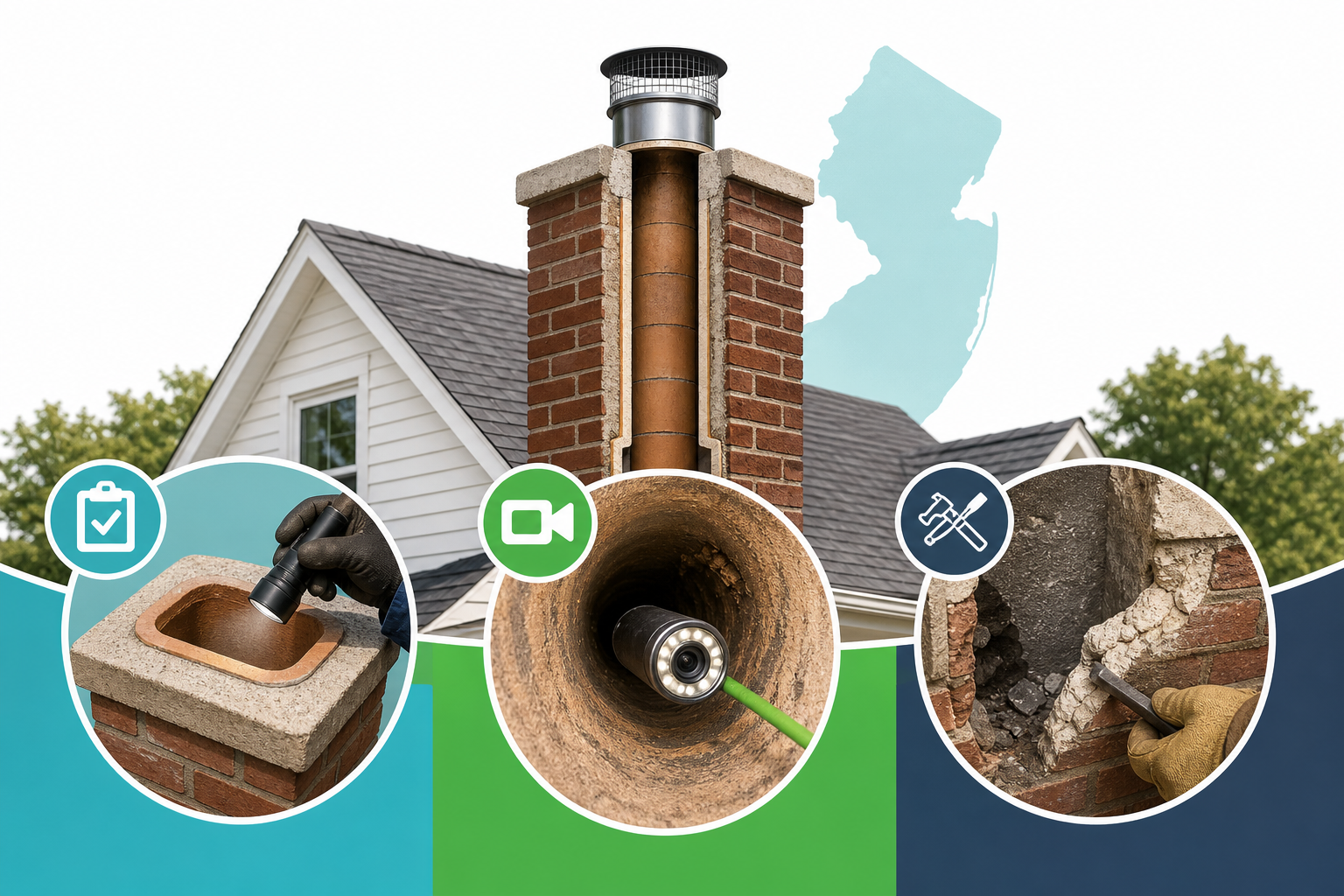
Cleaning appointments sometimes uncover damage that needs to be addressed before the fireplace is safe to use. For wood-burning fireplaces, common findings include:
- Cracked or spalled flue liner sections
- Deteriorated chimney crown
- Missing or damaged chimney cap
- Failed or stuck damper
- Eroded mortar joints between bricks
For gas fireplaces, a cleaning visit might turn up a corroded burner assembly, a damaged glass panel seal, or a venting component that needs replacement.
Certified Home Solution handles chimney repair in addition to cleaning, covering caps, bricks, crowns, and dampers. If a technician finds a problem during your cleaning appointment, you don't have to track down a separate contractor—it can be addressed in the same visit.
Booking Fireplace Cleaning in NJ
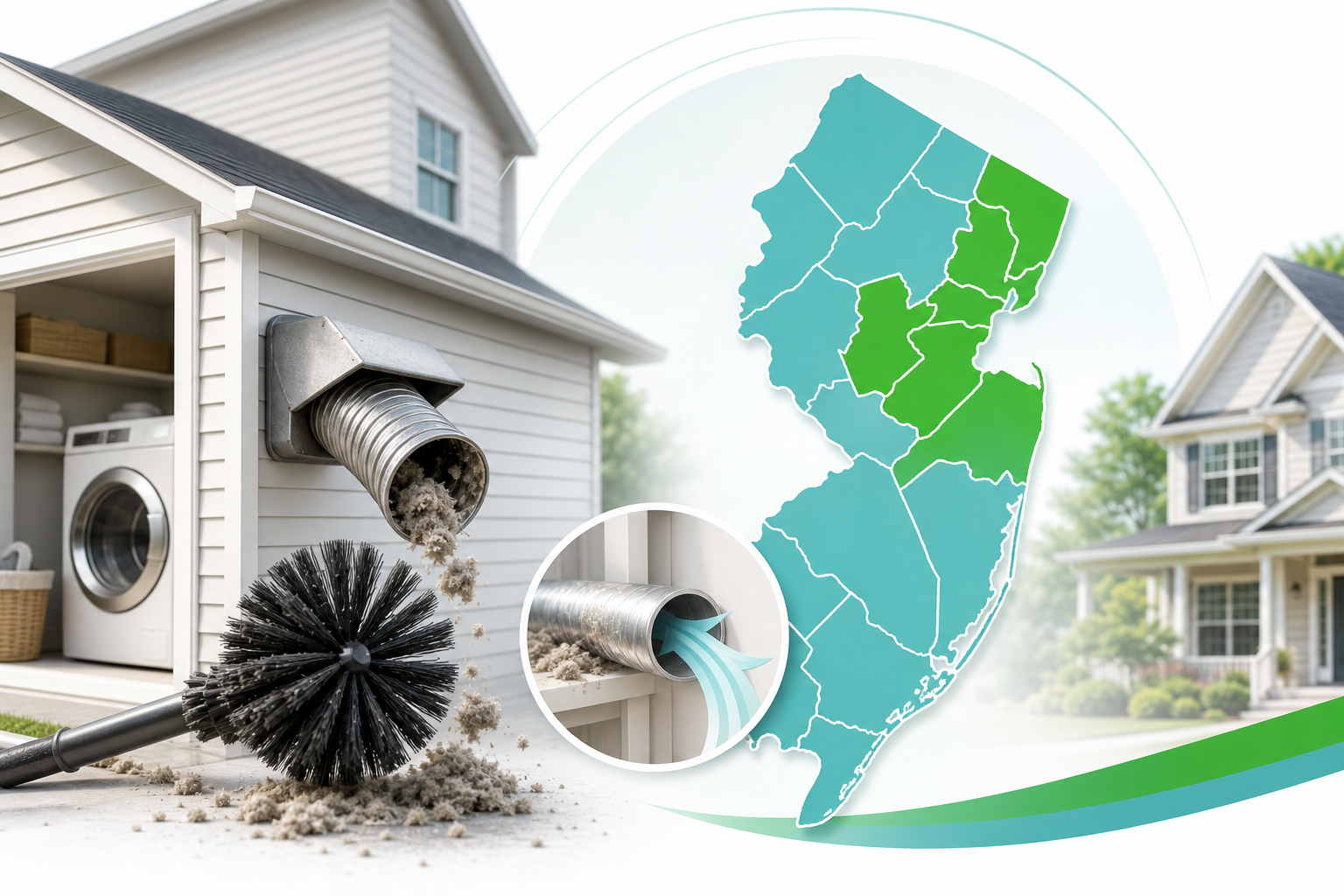
Certified Home Solution has served New Jersey homeowners since 2017, covering Monmouth, Middlesex, Ocean, Bergen, Somerset, Union, Essex, and Morris counties. Fireplace cleaning is one of six service categories the company handles, alongside air duct cleaning, dryer vent cleaning, chimney sweeping, chimney repair, and carpet and upholstery cleaning.
That range of services has a practical benefit. Many NJ homeowners who book a fireplace cleaning also need their air ducts or dryer vent serviced. Handling everything in a single appointment with one company saves time and eliminates the back-and-forth of coordinating multiple contractors.
Typical pricing for fireplace cleaning runs $150 to $300. Free quotes are available by phone at (732) 858-2441 or through the online quote form at certifiedhomessolution.com.
Seasonal Timing for NJ Homeowners
New Jersey's climate creates a natural service window. August through October is the ideal time to schedule fireplace cleaning—before the heating season starts. By November, demand picks up and scheduling windows tighten quickly.
If you missed the fall window and you're already mid-season, don't wait until next year. A cleaning now is far better than running a fireplace with a season's worth of creosote or a clogged gas burner for another three months.
Spring is also a reasonable time for wood-burning fireplace owners who want to clean up after the season ends and catch any damage before it worsens over summer.
Frequently Asked Questions
How much does fireplace cleaning cost in NJ?
Professional fireplace cleaning in New Jersey typically runs $150 to $300. The exact price depends on the type of fireplace, its condition, and whether any repair work is needed. Free quotes are available from Certified Home Solution by calling (732) 858-2441 or submitting a request online.
Do gas fireplaces need to be cleaned as often as wood-burning fireplaces?
Both benefit from annual cleaning, but for different reasons. Wood-burning fireplaces accumulate creosote that poses a fire risk and must be removed regularly. Gas fireplaces accumulate dust and soot that can affect combustion quality and carbon monoxide output. Annual service is the standard recommendation for both.
Can I clean my fireplace myself?
Basic maintenance—wiping down the glass on a gas fireplace or removing ash from a wood-burning firebox—is something homeowners can handle. But flue cleaning, burner inspection, and structural assessment require professional tools and training. DIY flue brushing often misses creosote deposits and can damage liner components.
What's the difference between a chimney cleaning and a fireplace cleaning?
Chimney cleaning focuses on the flue, chimney cap, crown, and exterior masonry. Fireplace cleaning focuses on the firebox, damper, glass, burner (for gas), and the interior components you interact with directly. A thorough service often covers both. When booking, confirm what's included so you know the full system is being addressed.
How do I know if my fireplace needs repair rather than just cleaning?
Visible cracks in the firebox or flue liner, a damper that won't open or close fully, a crumbling chimney crown, or a missing chimney cap all point toward repair. A cleaning appointment is often the right starting point—a technician will inspect the system and flag anything that needs attention.
Is it safe to use a gas fireplace that hasn't been serviced in two years?
It's worth having it inspected before use. Two years of dust accumulation on the burner can affect combustion efficiency, and any changes to the venting system or gas connections during that time should be verified by a professional.
How long does a fireplace cleaning appointment take?
Most appointments take between one and two hours, depending on the type of fireplace, its condition, and whether any inspection or minor repair work is needed. Wood-burning fireplace cleanings with heavy creosote buildup may run longer.
The Right Cleaning for Your Fireplace Type
Gas and wood-burning fireplaces both need professional attention—they just need different things. Wood-burning fireplaces carry higher fire risk from creosote and should be cleaned before every heating season. Gas fireplaces need burner and venting inspections to prevent carbon monoxide issues and keep the system running correctly.
For NJ homeowners, both types fall within the same price range, and a single appointment covers the full system. If you're in Monmouth, Middlesex, Ocean, Bergen, Somerset, Union, Essex, or Morris County, Certified Home Solution can handle the cleaning and flag any repairs in the same visit. Call (732) 858-2441 or request a free quote at certifiedhomessolution.com.