- Why the Report Matters as Much as the Cleaning
- The Three Inspection Levels and When Each Applies
- What the Report Header Must Include
- The Core Components Every NJ Chimney Report Should Document
- Severity Ratings and Pass/Fail Language
- Photos, Measurements, and Code References
- The Difference Between a Cleaning Invoice, an Inspection Report, and a Repair Estimate
- How to Compare Reports from Two Different NJ Companies
- How Often Should NJ Homeowners Schedule Chimney Cleaning?
- Getting a Reliable Chimney Inspection in New Jersey
- Frequently Asked Questions
If you've scheduled chimney cleaning in NJ and the technician hands you a single-page invoice on the way out, that's not an inspection report. That's a receipt. They're two different documents, and understanding the difference can protect you from fire hazards, a failed home sale, or a disputed insurance claim.
This guide covers exactly what a proper chimney inspection report should contain, how to read it, and what to do when something's missing.
Why the Report Matters as Much as the Cleaning
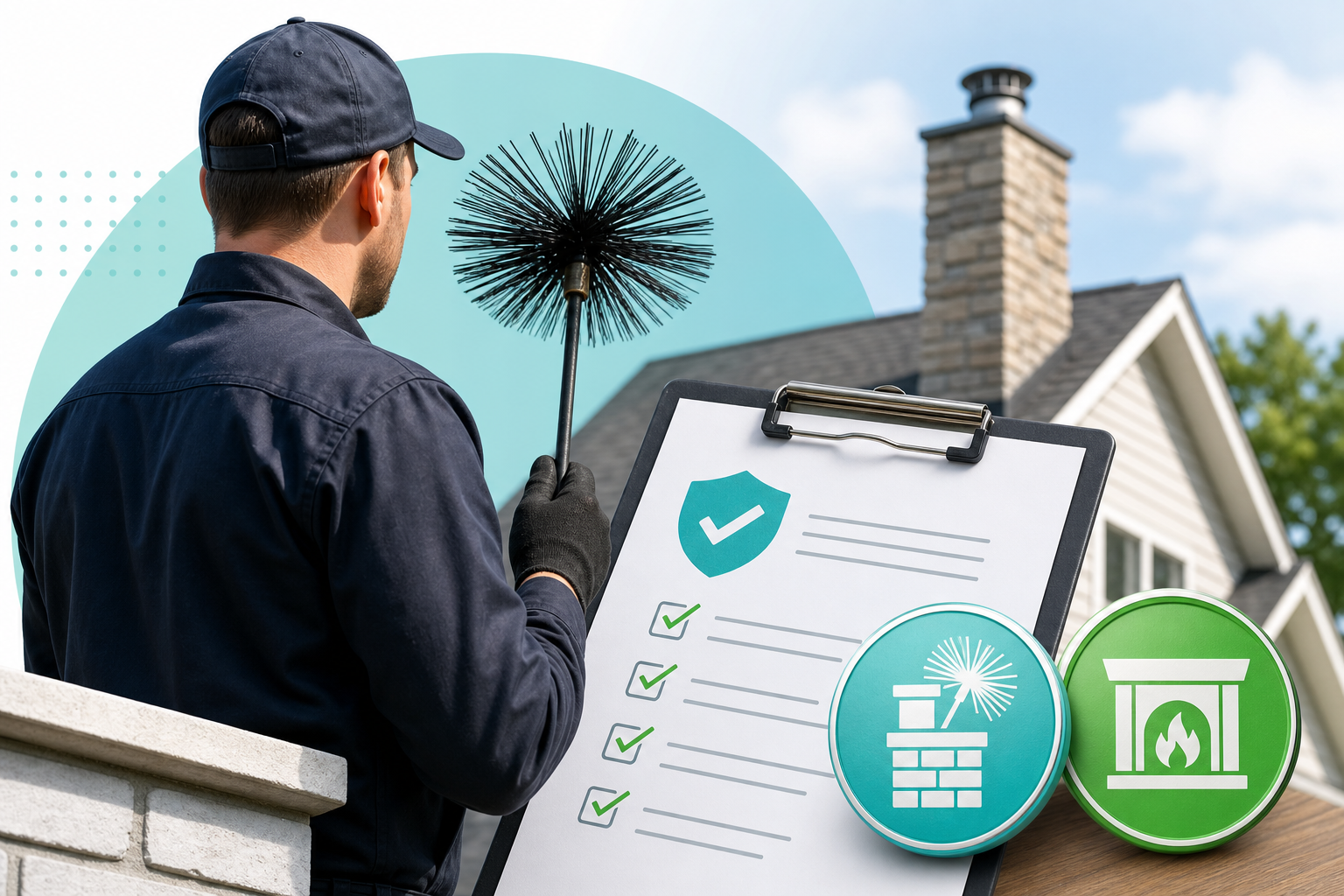
Chimney cleaning removes creosote, debris, and blockages. The inspection report documents what the technician found before, during, and after that work. Without it, you have no record of the chimney's condition, no baseline for future visits, and nothing to hand a home inspector, insurer, or buyer.
CHIMNEY GUARDS reports that more than 25,000 chimney fires occur nationwide each year, causing over $125 million in property damage. Most involve chimneys that weren't inspected or cleaned on a consistent schedule. The report is the paper trail that proves you have been.
The Three Inspection Levels and When Each Applies
Before you can evaluate a report, you need to know which inspection level it covers.
Level 1 applies to routine annual maintenance when the chimney has been used normally and nothing has changed. The technician examines all accessible interior and exterior components without moving anything or using specialized equipment.
Level 2 is required when you're buying or selling a home, switching fuel types, changing the appliance connected to the flue, or after any event that may have damaged the system—a chimney fire, earthquake, or severe storm. It includes a video scan of the flue interior. According to a New Jersey homeowner guide published by R&E Roofing in 2026, a basic sweep paired with a Level 1 inspection typically runs $150 to $250, while a Level 2 inspection runs $250 to $500 in New Jersey.
Level 3 involves partial or full demolition to access concealed areas. It's rare and reserved for situations where serious hidden damage is suspected.
The inspection level should appear clearly on the first page of your report—not buried somewhere in the body text.
What the Report Header Must Include
According to LegalClarity's 2026 guidance on inspection documentation, a properly structured report header records the client name, property address, inspector credentials, date, and weather conditions at the time of the inspection.
Weather matters more than most homeowners expect. Rain, fog, or high winds can limit roof access or affect how the technician views the flashing and chimney crown. If conditions prevented a complete exterior inspection, that limitation needs to be documented. A report that says nothing about weather or access constraints may be hiding an incomplete job.
Inspector credentials should also appear in the header. Ask for the technician's name and any relevant training or affiliations. If a company can't tell you who performed the inspection, that's worth noting before you rely on the document.
The Core Components Every NJ Chimney Report Should Document
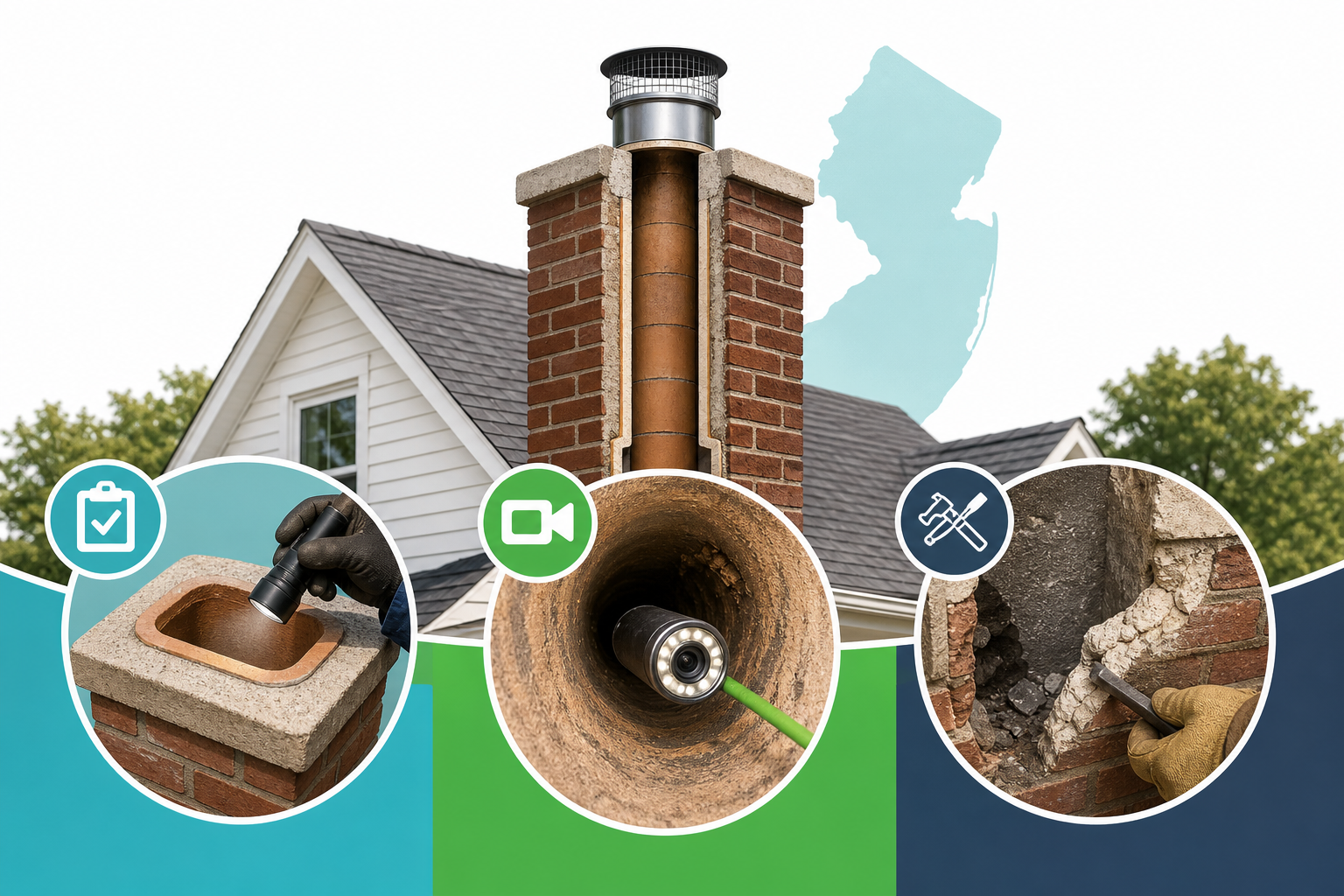
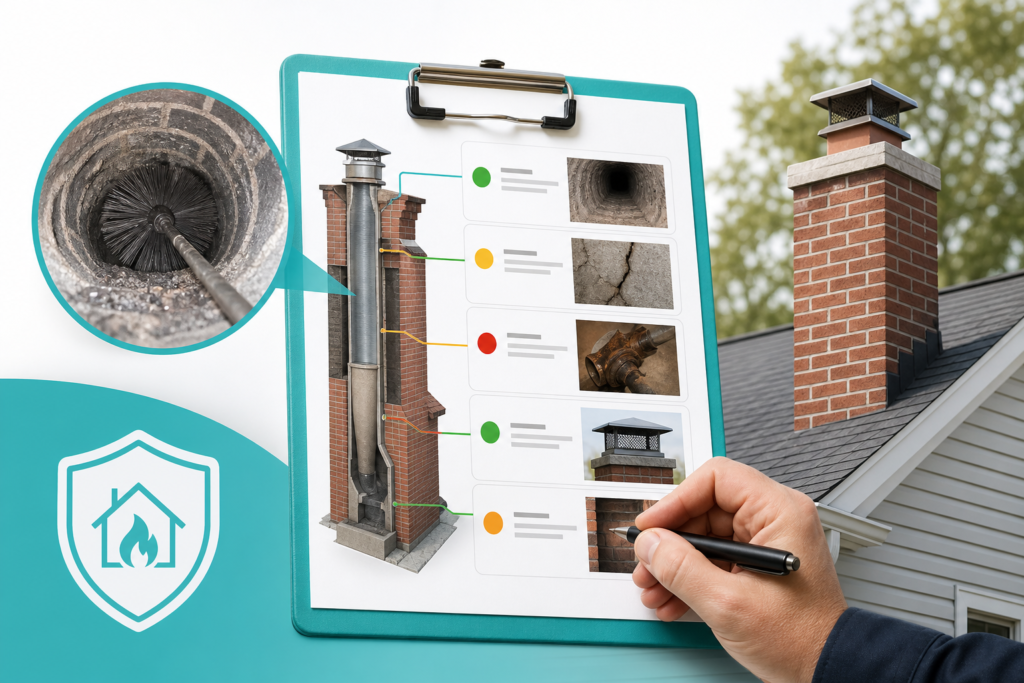
A thorough inspection report covers the chimney in sections, working from the base of the firebox up through the crown and cap.
Firebox and Damper
The report should describe the condition of the firebox walls, floor, and throat. Cracks in the refractory panels, spalling brick, and deteriorated mortar joints should each be listed separately with a description of severity. The damper gets its own entry: does it open and close fully, is the seal intact, and is there visible corrosion or warping?
Flue Liner
This is the most safety-critical section. The liner contains combustion gases and prevents heat transfer to surrounding framing. The report should note the liner material—clay tile, cast-in-place, or metal insert—its condition, and whether any cracks, gaps, or missing sections were observed.
For a Level 2 inspection, the report should include still images or a video reference from the camera scan. If no camera was used, the report should explain why. "Visually inspected from above" is not an adequate substitute for a video scan when a Level 2 was warranted.
Creosote Buildup
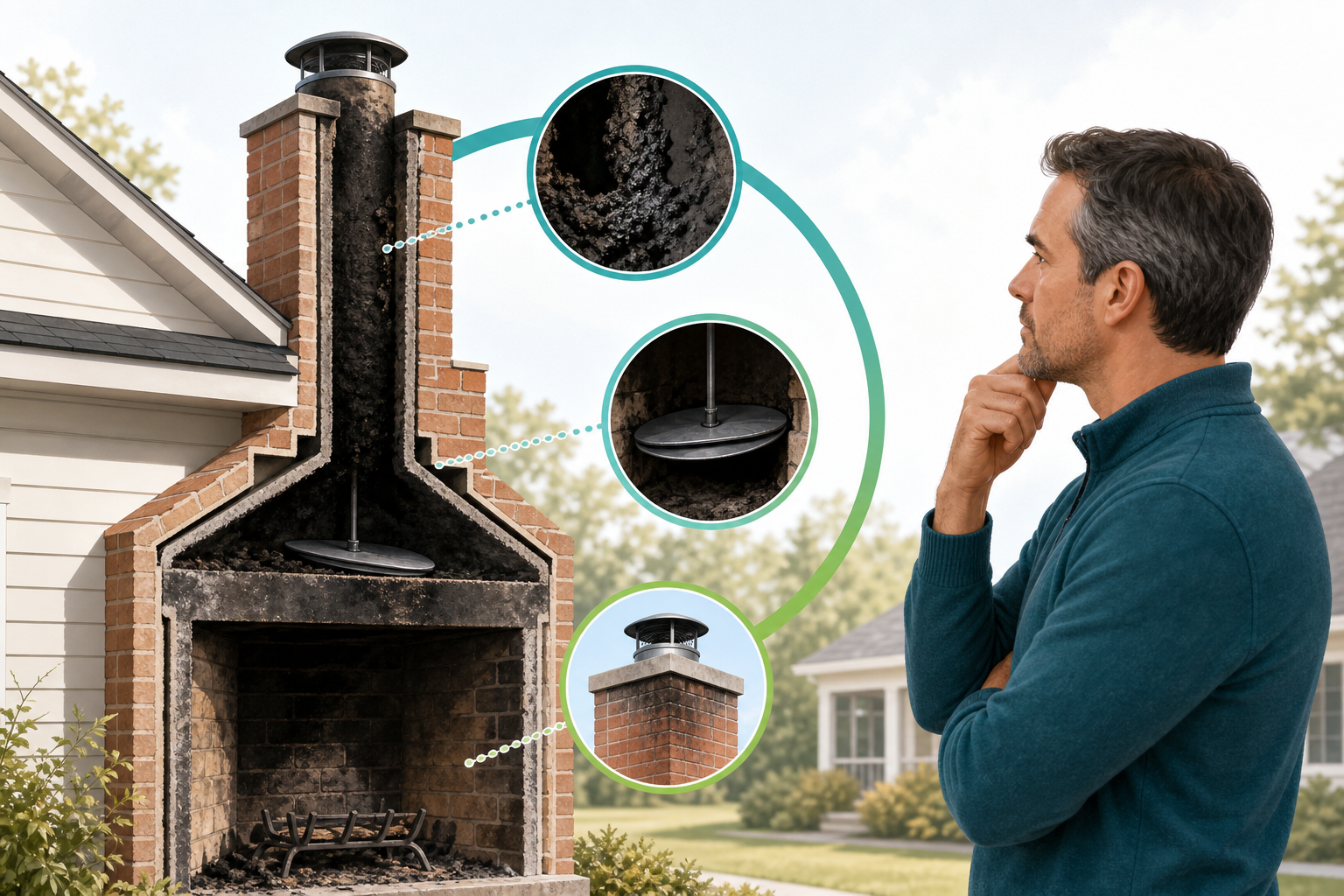
Creosote is classified in three stages. Stage 1 is a light, flaky deposit that brushes away easily. Stage 2 is a harder, tar-like layer. Stage 3 is a glazed, shiny coating that bonds to the liner and requires chemical treatment or specialized removal. D&D Chimney Cleaning notes that glazed creosote intervention in New Jersey can cost $300 to $600 or more, separate from a standard cleaning.
Your report should identify which stage was present and where in the flue it was concentrated. If Stage 3 was found, the report should note whether it was treated and what method was used.
Chimney Cap and Crown
The cap sits at the top of the flue and keeps rain, animals, and debris out. The crown is the concrete or mortar slab that covers the top of the chimney structure around the flue opening. Both are common failure points in older New Jersey homes.
The report should note cap condition, any rust or mesh damage, and whether the cap is properly sized for the flue. Crown cracks—even small ones—allow water to penetrate and accelerate brick deterioration. A good report photographs these from above.
Exterior Masonry and Flashing
The report should walk the exterior of the chimney from the roofline up, noting any spalling brick, mortar joint erosion, efflorescence (white mineral deposits that signal moisture intrusion), or flashing failures. Flashing is the metal seal between the chimney base and the roof surface, and a failed joint is one of the most common sources of interior water damage in New Jersey homes.
If the technician couldn't safely access the roof, the report must say so explicitly. "Exterior inspection limited due to roof pitch and weather conditions" is a legitimate note. A report that simply omits the exterior section without explanation is not.
Severity Ratings and Pass/Fail Language
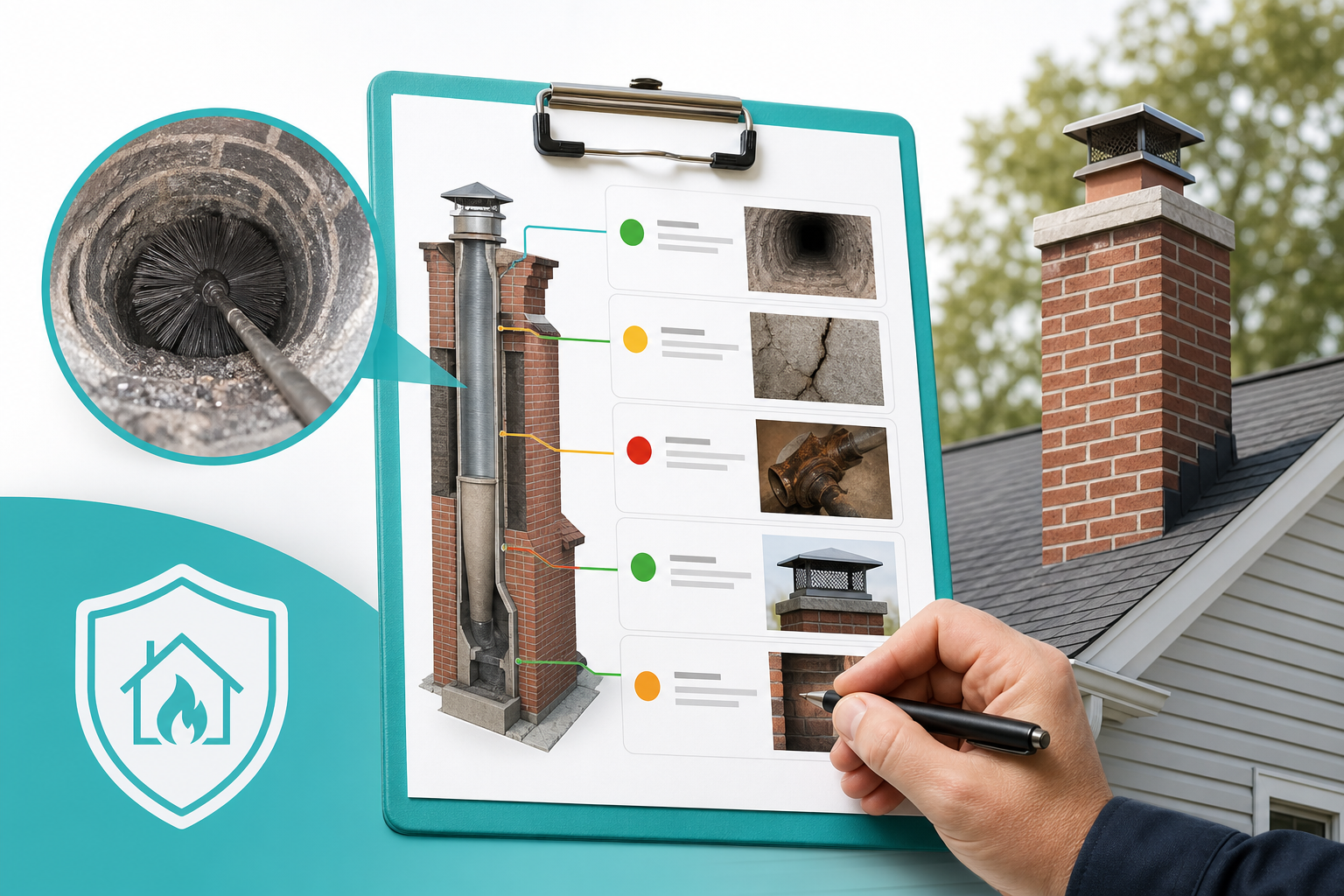
A useful inspection report doesn't just list what was found—it tells you what to do about it. Look for language that places each finding into a clear category:
- Serviceable or satisfactory means the component is functioning within normal parameters.
- Monitor means a minor issue was noted and should be checked at the next annual visit.
- Repair recommended means a defect was found that should be addressed before the next heating season.
- Do not use or unsafe for operation means the system poses an immediate hazard and should not be operated until the repair is completed.
If your report uses vague language like "some wear noted" without a recommendation attached, ask the company to clarify in writing before you use the fireplace again.
Photos, Measurements, and Code References
A report without photos is harder to act on and harder to use if you ever need to file an insurance claim or disclose a known defect during a home sale. At minimum, the report should include photos of any defects found, the flue liner condition (especially for Level 2), the cap and crown, and the firebox interior.
Measurements matter when a repair estimate follows the inspection. If a liner section needs replacement, the report should note the flue dimensions. If a cap needs replacing, the size should be documented so there's no ambiguity in the repair quote.
Code references are less common in standard residential reports but become important in two situations: when a repair is required before a home sale, and when a rental property is involved. New Jersey's Uniform Construction Code governs chimney installation and repair standards. If a defect puts the system out of compliance, a well-written report will say so.
The Difference Between a Cleaning Invoice, an Inspection Report, and a Repair Estimate
These three documents serve different purposes and should never be collapsed into a single form without clear separation.
The cleaning invoice confirms what service was performed, the date, and the charge. It's a billing record.
The inspection report documents the condition of the system, what was found, and what action is recommended. It's a technical record.
The repair estimate quotes the cost to fix specific defects identified in the inspection. It's a pricing proposal.
When a company hands you one piece of paper that tries to be all three, you're usually looking at a cleaning invoice with a few notes added. That's not sufficient for insurance purposes, home sale disclosures, or your own records.
How to Compare Reports from Two Different NJ Companies
If you've received inspections from two different companies and the reports contradict each other, start by checking three things.
First, the inspection level. A Level 1 and a Level 2 will produce different findings because the Level 2 includes camera access to areas the Level 1 cannot see.
Second, how each report handles access limitations. If one report notes that the flue interior was not fully accessible and the other doesn't mention it at all, the one that says nothing may have skipped that step.
Third, whether severity ratings are consistent. "Minor crack noted" and "repair recommended before use" can describe the exact same crack. If one report uses vague language and the other uses specific action language, weight the specific one more heavily.
How Often Should NJ Homeowners Schedule Chimney Cleaning?
Annual inspection and cleaning is the standard recommendation for any chimney in regular use. New Jersey's four-season climate—cold winters that drive heavy fireplace use, followed by humid summers that accelerate moisture damage—makes that annual cadence especially important.
If you've had a chimney fire, moved into a home without records of prior service, or are connecting a new appliance to an existing flue, schedule a Level 2 inspection before the next use, not at the end of the season.
Getting a Reliable Chimney Inspection in New Jersey
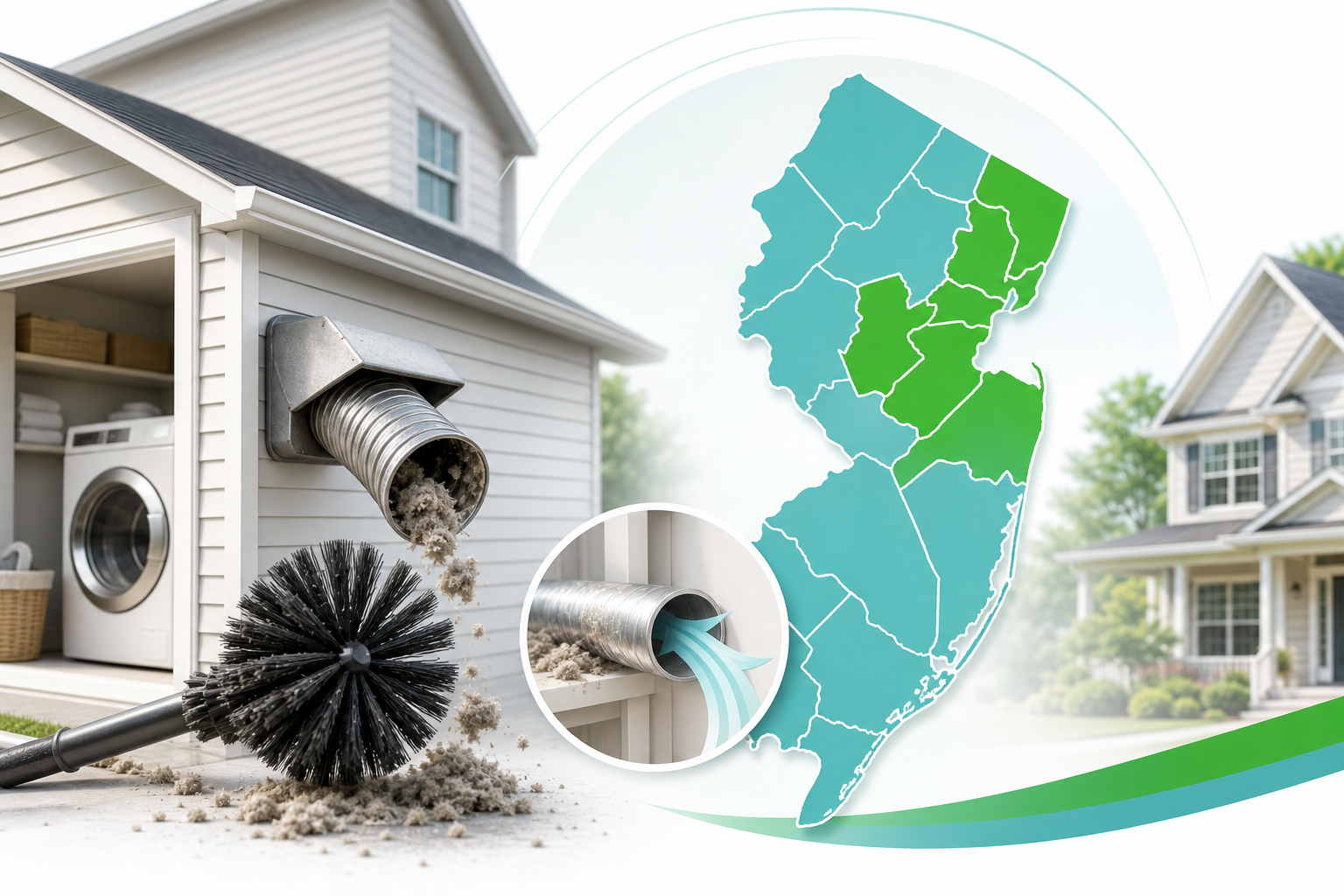
Certified Home Solution has served homeowners across Monmouth, Middlesex, Ocean, Bergen, Somerset, Union, Essex, and Morris counties since 2017. Chimney cleaning and sweeping is one of six service categories available under a single booking, alongside air duct cleaning, dryer vent cleaning, fireplace cleaning, chimney repair, and carpet and upholstery cleaning.
Chimney cleaning typically runs $150 to $300, with exact quotes provided on request. Reach the team by phone at (732) 858-2441 or submit a quote request through the contact form at Certified Home Solution.
Frequently Asked Questions
What is the difference between a Level 1 and Level 2 chimney inspection in NJ?
A Level 1 inspection covers all accessible areas of the chimney during routine annual maintenance. A Level 2 inspection adds a video scan of the flue interior and is required when buying or selling a home, changing the connected appliance, or after any event that may have caused structural damage.
What should a chimney inspection report include?
A complete report should include the client name, property address, inspector credentials, date, and weather conditions, followed by a section-by-section assessment of the firebox, damper, flue liner, creosote stage, chimney cap, crown, exterior masonry, and flashing. Each finding should carry a severity rating and a recommended action.
How much does chimney cleaning cost in New Jersey in 2026?
A New Jersey homeowner guide published by R&E Roofing in 2026 lists a basic sweep plus Level 1 inspection at $150 to $250. Certified Home Solution's chimney cleaning typically runs $150 to $300, with exact pricing provided by quote.
When is a Level 2 chimney inspection required?
Level 2 is required before buying or selling a home, when switching fuel types or changing the appliance connected to the flue, and after any event that may have damaged the chimney—including chimney fires, severe storms, or earthquakes.
What does creosote stage mean on an inspection report?
Creosote builds up in three stages. Stage 1 is a light, flaky deposit. Stage 2 is a harder, tar-like layer. Stage 3 is a glazed coating that bonds to the liner and requires specialized removal. Your report should identify the stage and note where in the flue it was found.
Can I use a chimney inspection report for a home sale or insurance claim in NJ?
Yes. A properly documented inspection report that includes photos, severity ratings, and specific findings can support disclosure requirements during a home sale and provide evidence for an insurance claim. A cleaning invoice alone is not sufficient for either purpose.
How do I know if my chimney inspection report is incomplete?
Watch for missing sections—especially the flue liner or exterior masonry—no weather or access notes, vague language without action recommendations, no photos, and no inspector credentials. If your report is missing any of these, ask the company to provide a supplemental document before relying on it.
A chimney inspection report is only useful if it's complete enough to act on. Before you file it away, confirm that every major component is documented, every defect has a severity rating, and the inspection level matches what you actually needed. If something is missing, ask for it in writing. That paper trail is what protects you when it matters most.