- What People Mean by "Carpet Cleaning"
- How Steam Cleaning Actually Works
- Dry Cleaning Methods: The Case for Low Moisture
- Carpet Cleaning vs. Steam Cleaning: A Direct Comparison
- Which Carpet Types Respond Best to Each Method
- The Role of Pet Ownership and Allergies
- How Often Should You Clean Your Carpets?
- What to Ask a Professional Carpet Cleaner Before Booking
- Upholstery Cleaning: The Same Principles Apply
- Common Mistakes Homeowners Make with Carpet Cleaning
- Getting a Quote for Carpet and Upholstery Cleaning in NJ
- FAQs: Carpet Cleaning vs. Steam Cleaning
- The Right Method Depends on Your Situation
When homeowners search "carpet cleaning vs steam cleaning," they often assume these are two competing processes. The reality is more nuanced — and understanding the difference can save you money, protect your carpet warranty, and get better results from whichever method you choose.
This guide breaks down how each approach works, where each one performs best, and what to think through before scheduling a professional cleaning.
What People Mean by “Carpet Cleaning”
"Carpet cleaning" is a broad term. It covers several distinct methods, and steam cleaning is actually one of them. When people use the phrase in conversation, they usually mean one of these four approaches:
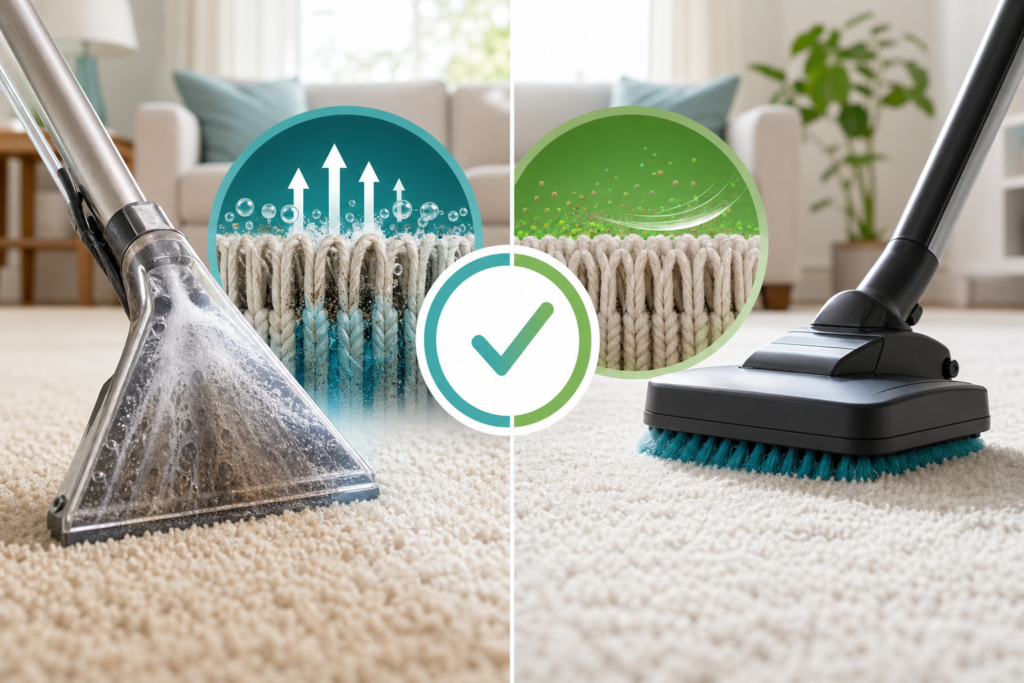
- Hot water extraction (often called steam cleaning): A machine injects hot water and cleaning solution deep into carpet fibers, then immediately extracts it along with loosened dirt and debris.
- Dry cleaning: Low-moisture compounds or powders are worked into the carpet and vacuumed out, leaving it dry and walkable almost immediately.
- Encapsulation: A crystallizing polymer solution surrounds soil particles, dries into a brittle residue, and is then vacuumed away.
- Bonnet cleaning: A rotating pad soaked in cleaning solution buffs the carpet surface. It's fast and common in commercial settings but doesn't reach deep into the pile.
Each method involves a different moisture level, dwell time, and cleaning depth — and those differences matter depending on your carpet type, your household, and what you're actually trying to remove.
How Steam Cleaning Actually Works
Despite the name, true steam cleaning using only vapor is relatively rare in residential carpet care. What most professional services call "steam cleaning" is hot water extraction — water heated to roughly 150 to 200 degrees Fahrenheit, combined with a cleaning agent.
Here's how the process typically goes:
- A technician pre-treats high-traffic areas and visible stains.
- A wand or cleaning head injects the hot solution under pressure into the carpet fibers.
- The machine immediately extracts the water along with dissolved soil, allergens, pet dander, and bacteria.
- The carpet is left slightly damp and usually dries within four to twelve hours, depending on airflow and humidity.
Hot water extraction is the method most widely recommended by carpet manufacturers for deep cleaning. It reaches the base of the pile where dry methods can't, which makes it especially effective for homes with pets, children, or anyone dealing with allergies.
Dry Cleaning Methods: The Case for Low Moisture
Dry carpet cleaning isn't a single method — it's a category. The common thread is minimal water use, which means carpets are ready to walk on within an hour or less.
When dry cleaning makes sense
- Delicate fibers: Natural materials like wool, sisal, or hand-knotted rugs can shrink, bleed, or distort when saturated with water. A low-moisture method protects them.
- Rental or commercial properties: When a space needs to stay in use with minimal downtime, dry methods let you clean and return to normal quickly.
- Maintenance between deep cleans: Encapsulation and bonnet cleaning work well as interim treatments that extend the time between full hot water extraction sessions.
- High-humidity environments: In a basement or a poorly ventilated room, a wet carpet that takes too long to dry can develop mold or mildew. Dry methods reduce that risk.
The tradeoff is cleaning depth. Dry methods handle surface soil and light maintenance well, but they don't pull deeply embedded grit, allergens, or pet dander from the base of the pile the way hot water extraction does.
Carpet Cleaning vs. Steam Cleaning: A Direct Comparison
| Factor | Hot Water Extraction (Steam) | Dry / Low-Moisture Methods |
|---|---|---|
| Cleaning depth | Deep into pile and backing | Surface to mid-pile |
| Drying time | 4 to 12 hours | Under 1 hour |
| Allergen removal | High | Moderate |
| Pet odor and stains | Very effective | Moderate |
| Delicate fiber safety | Requires care | Generally safer |
| Manufacturer recommendation | Widely recommended | Varies by method |
| Frequency needed | Every 12 to 18 months | Every 3 to 6 months for maintenance |
Neither method is universally better. They serve different purposes, and many households benefit from using both — dry methods for routine upkeep and hot water extraction for periodic deep cleaning.
Which Carpet Types Respond Best to Each Method
Synthetic carpets (nylon, polyester, olefin)
These are the most common residential carpet fibers in New Jersey homes. They handle moisture well and respond strongly to hot water extraction, giving you the full benefit of deep cleaning without worrying about shrinkage or color bleeding.
Wool and natural fiber carpets
Wool is durable but sensitive to heat and prolonged moisture. Hot water extraction can be used on wool, but it requires lower water temperature, faster extraction, and quicker drying. Many professional cleaners default to a dry or low-moisture method for wool to avoid any risk of shrinkage or browning.
Berber and looped pile carpets
These carpets trap soil at the base of the loops, where hot water extraction is generally more effective than surface-level dry methods. That said, aggressive scrubbing with a rotary machine can fray or unravel loops — so the wand technique used in hot water extraction is usually preferred over bonnet cleaning for Berber.
Plush and cut pile carpets
Most common in bedrooms and living rooms, these respond well to both methods. Hot water extraction delivers the deepest clean; dry methods work well for between-visit maintenance.
The Role of Pet Ownership and Allergies
If you have pets or a household member with respiratory sensitivities, the cleaning method matters more than it might seem.
Pet dander, urine salts, and odor compounds bind to carpet fibers and migrate down toward the backing over time. Surface-level dry methods can reduce visible soiling but often leave these compounds in place. Hot water extraction — especially with an enzyme-based pre-treatment for urine — is substantially more effective at breaking down and removing them.
The same logic applies to dust mites and pollen. These accumulate at the base of the pile where a vacuum and dry cleaning compound can't reliably reach. A proper hot water extraction session removes them more completely, which is why many allergists recommend professional deep cleaning at least once a year for carpeted homes.
How Often Should You Clean Your Carpets?
Hot water extraction (deep clean):
- Every 12 months for most households
- Every 6 to 12 months for homes with pets, young children, or allergy sufferers
- After any significant spill, flooding event, or noticeable odor
Dry or low-moisture maintenance cleaning:
- Every 3 to 6 months in high-traffic areas
- Between deep cleans to extend carpet life and appearance
Vacuuming:
- At minimum once per week in living areas, more frequently with pets
These are general guidelines. The right schedule depends on your carpet type, household activity level, and whether indoor air quality is a health priority for anyone in the home.
What to Ask a Professional Carpet Cleaner Before Booking
Not all carpet cleaning services use the same equipment or chemistry. Before you commit, it's worth asking a few direct questions:
- What method do you use? Hot water extraction, dry compound, encapsulation, or a combination?
- What cleaning agents do you use, and are they safe for pets and children?
- How long will the carpet take to dry?
- Do you pre-treat stains, or is that an add-on charge?
- What happens if a stain doesn't come out?
- Do you move furniture, or is that the homeowner's responsibility?
A professional who answers these questions clearly and without hesitation is a good sign. One who deflects or jumps straight to price before explaining the process deserves more scrutiny.
Upholstery Cleaning: The Same Principles Apply
The hot water extraction versus dry cleaning debate applies equally to upholstery. Sofas, sectionals, and upholstered chairs accumulate the same pet dander, dust mites, and body oils as carpet — and they respond to the same range of methods.
The key difference is that fabric types on furniture vary even more widely than carpet fibers. Microfiber, velvet, linen, and leather all require different approaches. A professional who cleans both carpet and upholstery will check the fabric care code (usually on a tag under the cushion) before choosing a method.
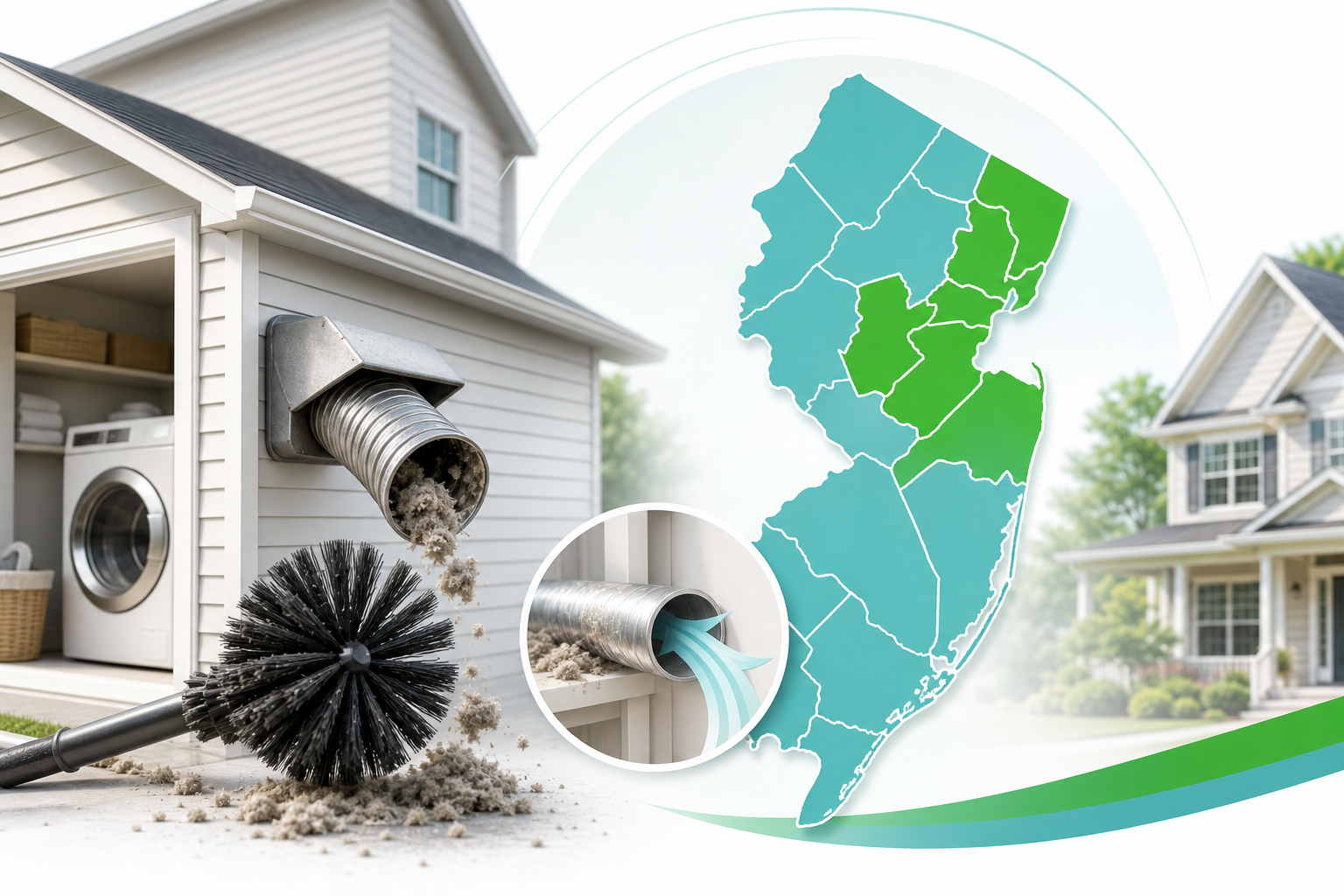
At Certified Home Solution, trained technicians handle both carpet and upholstery cleaning across eight New Jersey counties: Monmouth, Middlesex, Ocean, Bergen, Somerset, Union, Essex, and Morris. If you want both done in a single visit, that's a straightforward option — no coordinating two separate companies or scheduling around two different arrival windows.
Common Mistakes Homeowners Make with Carpet Cleaning
Over-wetting the carpet yourself: Renting a consumer steam cleaner and applying too much water is one of the most frequent DIY mistakes. Consumer machines don't have the extraction power of professional equipment, so water sits in the backing and can promote mold growth.
Scrubbing a fresh stain: Scrubbing pushes the stain deeper into the fibers and spreads it further. Blot from the outside in, then call a professional if it doesn't lift.
Waiting too long between cleanings: Carpet that looks clean can still hold significant embedded soil that acts like sandpaper on the fibers with every footstep. By the time it looks dirty, some of that wear is already permanent.
Choosing a service based on the lowest price alone: Bait-and-switch pricing is common in this industry. A low advertised rate often excludes pre-treatment, stain work, or furniture moving. Get a clear quote that spells out what's included before agreeing to anything.
Getting a Quote for Carpet and Upholstery Cleaning in NJ
If you're in one of the eight counties Certified Home Solution serves, you can request a free quote by calling (732) 858-2441 or submitting a request through the contact form at certifiedhomessolution.com. The company has been operating in New Jersey since 2017, and carpet and upholstery cleaning is one of six services available — alongside air duct cleaning, dryer vent cleaning, chimney sweeping, fireplace cleaning, and chimney repair — all bookable under a single visit.
FAQs: Carpet Cleaning vs. Steam Cleaning
Is steam cleaning the same as hot water extraction?
In most professional contexts, yes. The terms are used interchangeably, though true steam vapor cleaning (using only steam with no water extraction) is a different and less common process. When a carpet cleaning company advertises "steam cleaning," they almost always mean hot water extraction.
Which method is better for removing pet odors?
Hot water extraction, especially when paired with an enzyme-based pre-treatment, is significantly more effective at breaking down urine salts and odor compounds that have migrated into the carpet backing. Dry methods can reduce surface odors but rarely eliminate the source.
How long does carpet take to dry after hot water extraction?
Typically four to twelve hours. Good airflow — open windows, ceiling fans, or a dehumidifier — can shorten that window considerably. Avoid walking on the carpet with shoes during this period to prevent re-soiling.
Can I use hot water extraction on wool carpet?
Yes, but it requires lower water temperature, careful chemistry, and fast drying. Many professionals default to low-moisture methods for wool to avoid any risk of shrinkage or fiber damage. Ask your technician specifically about their approach to natural fiber carpets before booking.
How often should I have my carpets professionally cleaned?
Most households benefit from a professional deep clean every twelve months. Homes with pets, children, or allergy sufferers typically benefit from every six to twelve months. High-traffic areas can be maintained with dry or low-moisture methods between deep cleans.
Is dry cleaning effective enough for a home with allergies?
Dry cleaning can reduce surface allergens and is better than nothing, but it doesn't reach the base of the pile where dust mites and pet dander accumulate most heavily. For allergy management, hot water extraction is the more thorough option.
What is the difference between carpet cleaning and upholstery cleaning?
The methods are similar, but upholstery involves a wider range of fabric types — many of which are more delicate than carpet fibers. A professional will check the fabric care code before choosing a method. Both services can often be scheduled in the same visit, which is more efficient than booking separately.
The Right Method Depends on Your Situation
There's no single correct answer to the carpet cleaning vs. steam cleaning question. Hot water extraction is the better choice for deep cleaning, allergen removal, and pet odor treatment. Dry methods are better for delicate fibers, fast turnaround, and routine maintenance between deep cleans.
For most New Jersey homeowners with standard synthetic carpet, hot water extraction once a year combined with dry maintenance cleaning in between is a practical, cost-effective approach. The most important factor is working with a professional who explains what they're doing and why — not one who leads with a price and figures out the details later.