- Why Credentials Matter More Than Price
- The Credentials That Actually Mean Something
- What NJ-Specific Rules Apply
- The Levels of Chimney Inspection
- Questions to Ask Before You Book
- What Chimney Repair Actually Covers
- Red Flags to Watch For
- How Often Should You Schedule a Chimney Sweep in NJ
- Booking a Chimney Sweep Across NJ's Eight Counties
- Conclusion
- Frequently Asked Questions
Hiring a chimney sweep in NJ sounds simple enough—until you realize there's no single licensing requirement that separates a trained professional from someone with a brush and a van. If you're a New Jersey homeowner getting ready to book a chimney cleaning or inspection, knowing which credentials actually matter can protect you from a botched job, a missed safety hazard, or a fire that didn't need to happen.
This article covers the certifications worth asking about, what they mean in practice, and the red flags to watch for before you let anyone near your chimney.
Why Credentials Matter More Than Price
Most homeowners choose a chimney sweep the same way they choose any home service: search, compare a few prices, book whoever looks credible. The problem is that chimney work sits at the intersection of fire safety, structural integrity, and indoor air quality. A sweep who misses a cracked flue liner, a deteriorating crown, or a blocked damper isn't just doing incomplete work—they're leaving a hazard in place.
New Jersey doesn't require chimney sweeps to hold a state-issued license the way electricians or plumbers do. That gap puts the burden on you to verify credentials yourself. The good news is that the industry has developed its own credentialing system, and once you know what to look for, it's not hard to navigate.
The Credentials That Actually Mean Something
CSIA Certification
The Chimney Safety Institute of America (CSIA) credential is the most widely recognized standard in the industry. A Certified Chimney Sweep (CCS) has passed a written exam covering chimney systems, venting, fire hazards, and safety practices. Recertification is required every three years, so a current CSIA credential reflects up-to-date knowledge—not just a test someone passed a decade ago.
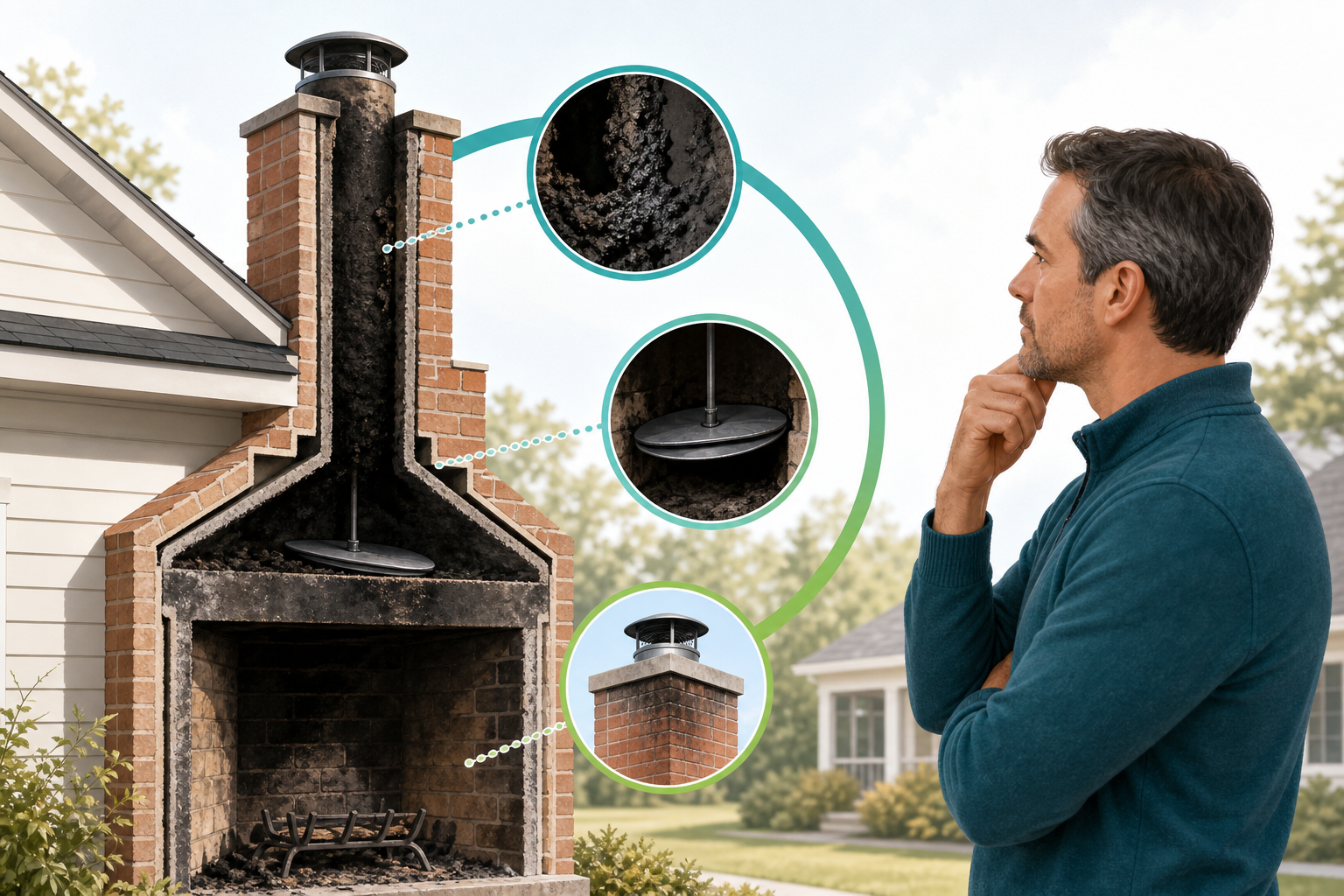
When a technician holds this credential, it means they understand how different fuel types interact with flue systems, how to identify creosote buildup at each of its three stages, and which structural conditions require repair before a chimney is safe to use.
Ask to see the credential number. CSIA maintains a public directory where you can verify it directly.
NFI Certification
The National Fireplace Institute (NFI) certifies technicians who work specifically with gas, wood-burning, and pellet appliances. An NFI-certified tech has demonstrated knowledge of installation standards, venting requirements, and appliance-specific safety codes.
This credential matters most if your home has a gas fireplace insert, a wood stove insert, or any appliance connected to the chimney system. A sweep who only knows masonry chimneys may not be the right person to evaluate a gas-vented setup.
NCSG Membership
The National Chimney Sweep Guild (NCSG) is a trade association rather than a certifying body, but membership still signals something. Member companies agree to a code of ethics and have access to ongoing training resources. It's a secondary indicator of professionalism—not a substitute for CSIA or NFI credentials—but worth noting when you're comparing providers.
What NJ-Specific Rules Apply
New Jersey doesn't issue a statewide chimney sweep license. That said, chimney repair work involving structural masonry or gas appliances may require a licensed contractor depending on the scope and the municipality. If a sweep tells you they can handle significant brick or crown repairs without any licensed contractor involvement, that's worth questioning.
For standard cleaning, inspection, and minor maintenance, CSIA certification and proof of liability insurance are the two most important things to confirm before booking.
Always ask for proof of general liability insurance and, if the company has employees, workers' compensation coverage. If a technician is injured on your property and the company carries no coverage, you could face liability. This isn't a formality—it's a basic protection that any legitimate operation will have in place.
The Levels of Chimney Inspection
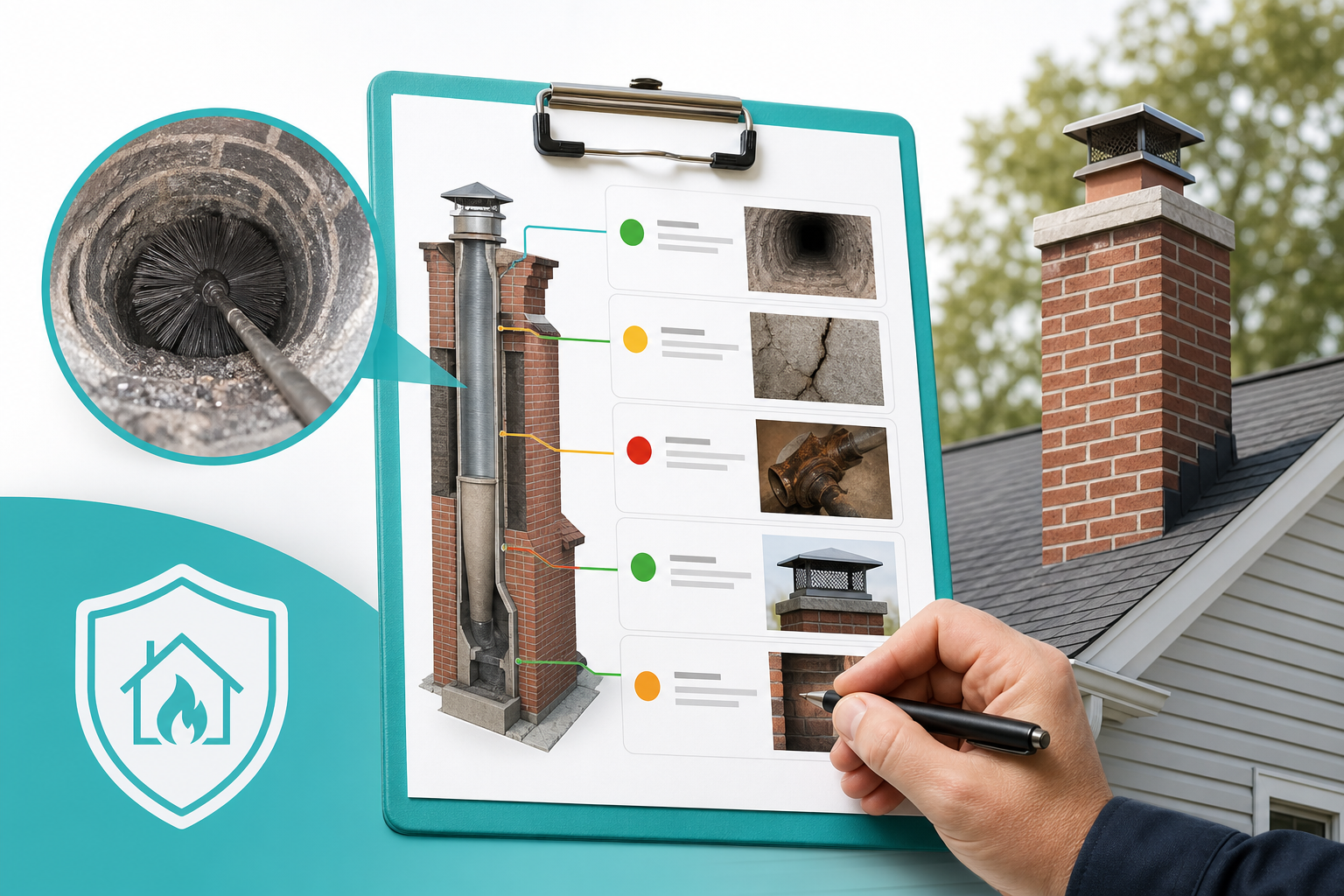
Understanding certification tiers also helps you know which type of inspection you're actually getting. The industry uses a three-level framework:
Level 1 covers accessible portions of the chimney—the firebox, damper, and visible exterior. This is what a standard annual cleaning typically includes.
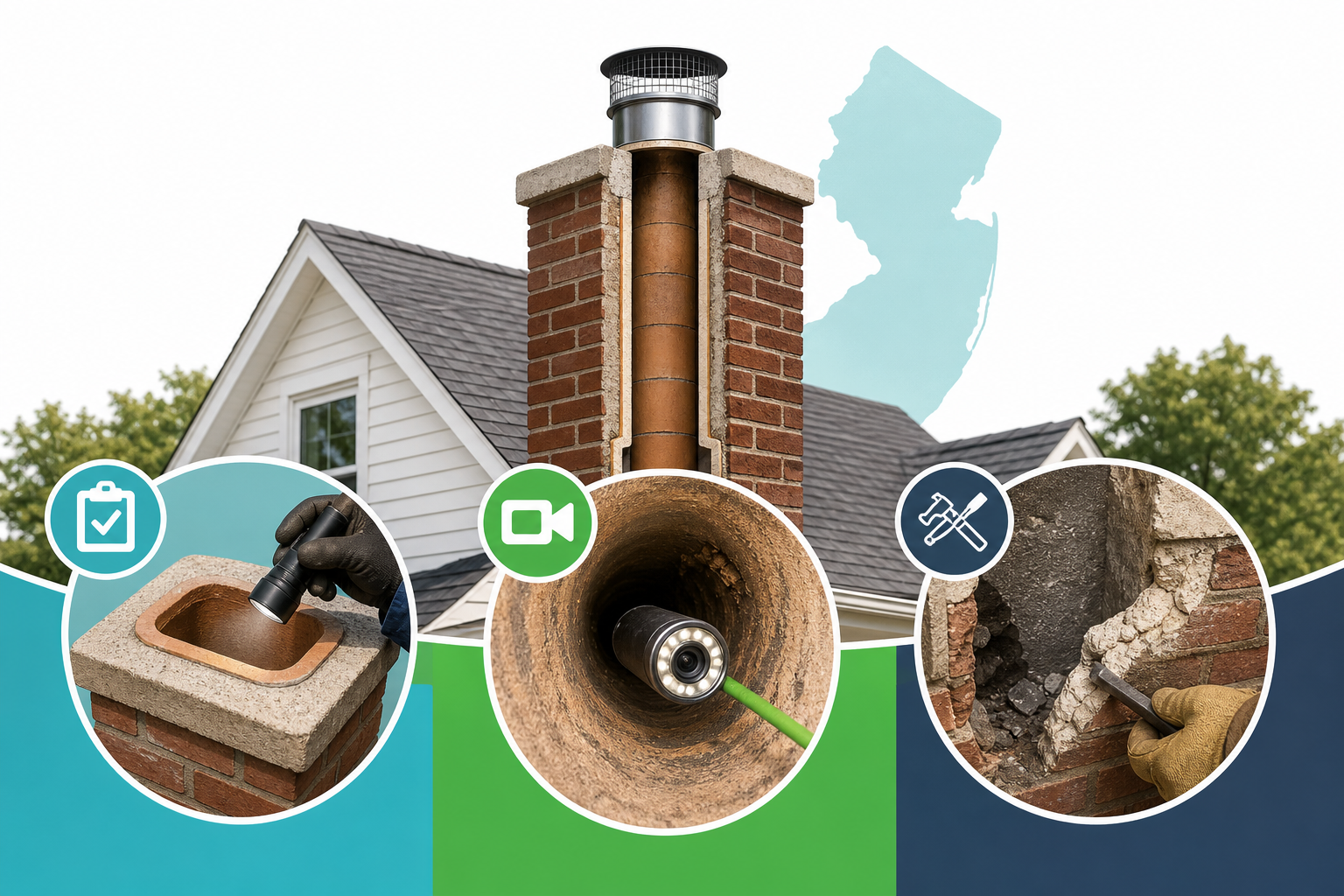
Level 2 is required after a chimney fire, a change in appliance, or a real estate transaction. It includes a video scan of the flue interior. If a home inspector flagged your chimney during a sale, this is the level you need.
Level 3 involves partial demolition to access concealed areas and is reserved for situations where a serious hazard is suspected but can't be confirmed at Level 2.
A technician who can't explain these distinctions—or who offers a flat "inspection" without specifying the level—should be asked to clarify exactly what they're doing.
Questions to Ask Before You Book
You don't need to interrogate every sweep, but a few direct questions will tell you quickly whether you're dealing with a professional.
- Are you CSIA-certified? Can I verify your credential number?
- Do you carry general liability insurance and workers' comp?
- What inspection level does this service include?
- If you find a problem during the cleaning, do you provide a written report?
- Do you handle chimney repair, or do you refer that out?
That last question matters more than it might seem. If your sweep finds a damaged cap, a cracked crown, or a failing damper and has no ability to fix it, you're back to scheduling a second provider. A company that handles both cleaning and repair in one visit saves you time and eliminates the risk of a repair recommendation falling through the cracks.
What Chimney Repair Actually Covers
Not every sweep offers repair work, and the scope varies significantly between providers. A full-service chimney company should be able to address:
- Chimney caps — the metal cover at the top of the flue that keeps out water, animals, and debris
- Crowns — the concrete or mortar cap that seals the top of the masonry chimney structure
- Dampers — the mechanism controlling airflow between the firebox and the flue; a stuck or corroded damper is a common cause of smoke problems
- Brick and mortar — spalling bricks and deteriorating mortar joints are structural issues that worsen quickly if ignored
- Electric fireplace components — for homes with electric inserts, repair scope includes the heating element and internal components
If a sweep can identify these problems but can't fix them, you're only getting half the service.
Red Flags to Watch For
The chimney industry has a documented history of bait-and-switch tactics, particularly with low-cost inspection offers that turn into high-pressure upsells. Here's what to watch for:
Unusually low entry pricing. A $49 chimney inspection that becomes a $2,000 repair estimate on the same visit is a pattern the Federal Trade Commission has documented in this industry. A legitimate sweep prices their work honestly upfront.
No written estimate before work begins. Any repair beyond the standard cleaning should come with a written quote you approve before the technician starts.
No credential verification. A professional should be able to give you their CSIA number without hesitation. If they can't, ask why.
Pressure to book immediately. Legitimate companies give you time to think. High-pressure tactics are a warning sign in any service category.
How Often Should You Schedule a Chimney Sweep in NJ
The National Fire Protection Association recommends annual inspection for chimneys, fireplaces, and vents. For wood-burning fireplaces that see regular use, annual cleaning is the minimum. Gas fireplaces still warrant yearly inspection even without creosote buildup—venting issues and component wear still occur.
In New Jersey, fall is the most common booking window as homeowners prepare for heating season. Scheduling in late summer or early fall typically means better availability and shorter wait times than trying to get on the calendar in October or November when demand peaks.
Booking a Chimney Sweep Across NJ’s Eight Counties
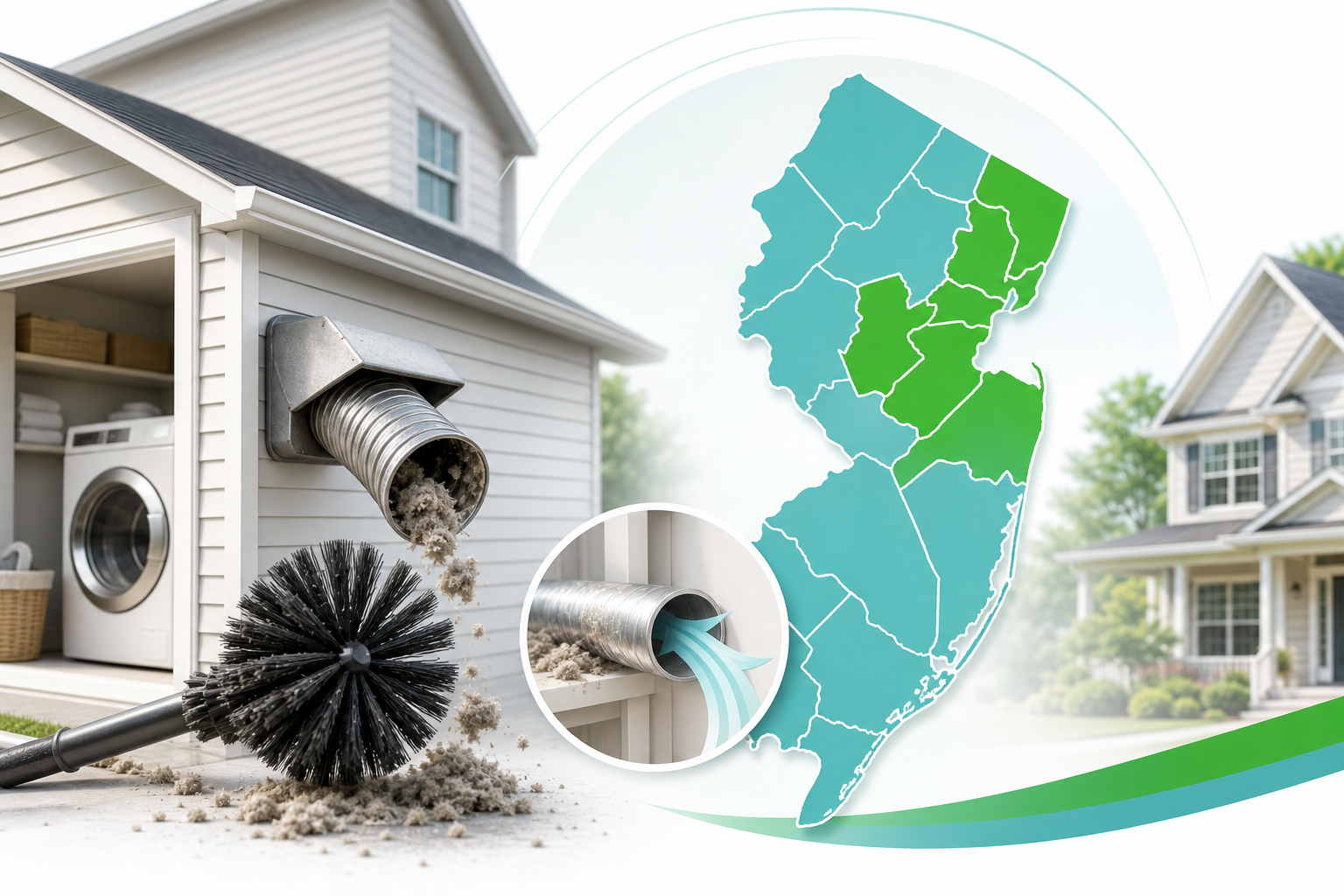
If you're in Monmouth, Middlesex, Ocean, Bergen, Somerset, Union, Essex, or Morris County, Certified Home Solution has been handling chimney cleaning, chimney sweep services, and chimney repair for NJ homeowners since 2017. Trained technicians come to you and cover chimney caps, crowns, dampers, bricks, and electric fireplace components—all under one service relationship.
Chimney cleaning typically runs $150 to $300, though exact pricing depends on your system and what the technician finds. Get a free quote by calling (732) 858-2441 or submitting a request through the online contact form.
Conclusion
Credentials don't guarantee a perfect job, but they set a floor. A CSIA-certified sweep with current insurance, a clear inspection scope, and the ability to handle repairs on the same visit is a fundamentally different hire than an uncredentialed operation advertising a low price. In New Jersey, where no state license requirement exists, those credentials are the main thing standing between you and a sweep who can't actually tell you whether your chimney is safe to use. Ask the questions. Verify the answers. Then book.
Frequently Asked Questions
Does New Jersey require chimney sweeps to be licensed?
New Jersey does not issue a statewide chimney sweep license. That makes credentials like CSIA certification and proof of liability insurance the primary ways to verify a technician's qualifications before booking.
What is CSIA certification and why does it matter?
CSIA stands for Chimney Safety Institute of America. A Certified Chimney Sweep has passed a standardized exam covering chimney systems, fire hazards, and safety practices, and must recertify every three years. It's the most widely recognized professional credential in the chimney industry.
How much does a chimney sweep cost in NJ?
Chimney cleaning in New Jersey typically runs $150 to $300, depending on system type, level of buildup, and whether any repairs are needed. Exact pricing is provided after a technician assesses your chimney.
How often should I have my chimney cleaned?
Once a year is the standard recommendation, regardless of how often you use your fireplace. Annual inspection is still advised for gas fireplaces, where creosote isn't a factor but venting and component issues can still develop.
What is a Level 2 chimney inspection and when do I need one?
A Level 2 inspection includes a video scan of the flue interior and is required after a chimney fire, a change in appliance, or a real estate transaction. If a home inspector flagged your chimney, a Level 2 inspection is the appropriate next step.
What chimney repairs should a full-service company be able to handle?
A full-service chimney company should be able to repair or replace caps, crowns, dampers, and damaged bricks or mortar. Some companies also handle electric fireplace components. If a sweep can only identify problems but not fix them, you'll need to bring in a second provider for repairs.
What are the warning signs of a chimney sweep scam?
Common red flags include very low introductory pricing that leads to high-pressure repair upsells, no written estimate before work begins, inability to provide a verifiable credential number, and pressure to approve work on the spot. Legitimate companies give you time to review estimates and answer your questions without rushing you.