- What Does a Chimney Inspection Cost?
- The Three Levels of Chimney Inspection
- What Affects the Final Price
- What a Chimney Inspection Includes
- Is a Chimney Inspection Worth the Cost?
- Chimney Inspection vs. Chimney Cleaning: Understanding the Difference
- What Happens After the Inspection
- How Often Should You Schedule a Chimney Inspection?
- Conclusion
- Frequently Asked Questions
The question usually comes up at one of three moments: you just bought a house, your fireplace started acting strange, or a home inspector flagged something and now you need a professional to take a closer look. Whatever brought you here, the answer matters. The price range is wide, what gets checked varies significantly by inspection level, and skipping the service entirely carries real safety risk.
Here is what chimney inspections typically cost, what each level actually covers, what drives the price up or down, and how to decide whether it makes sense for your situation.
What Does a Chimney Inspection Cost?
In the United States, chimney inspection costs generally fall between $100 and $500. That range shifts depending on where you live, the type of inspection, and the condition of the chimney. A basic visual check at the low end is a fundamentally different service than a full internal camera scan at the high end.
In New Jersey specifically, pricing tracks with regional labor costs and the density of older housing stock. Homes in Monmouth, Middlesex, Bergen, and surrounding counties often have chimneys that are 20 to 40 years old, which means inspectors regularly find issues that require follow-up work. That context matters when you are comparing quotes.
The inspection itself is also separate from cleaning or repair. If a technician finds creosote buildup, a cracked flue tile, or a damaged chimney cap, those are additional line items. Chimney cleaning in New Jersey typically runs $150 to $300, and repair costs vary depending on whether the job involves caps, bricks, crowns, dampers, or other components.
The Three Levels of Chimney Inspection
The National Fire Protection Association defines three inspection levels, and most chimney professionals use this framework when quoting work. Knowing the difference helps you ask the right questions before you book.
Level 1: Routine Visual Inspection
This is the standard annual inspection for a chimney that has been in regular use with no known changes or problems. The technician examines all accessible portions of the exterior and interior without special tools or equipment — the firebox, the damper, the smoke chamber, and the visible sections of the flue.
Level 1 is appropriate when you use the fireplace regularly, nothing has changed about how the system operates, and there are no visible signs of damage. Cost typically falls in the $100 to $200 range, though quotes vary by provider and location.
Level 2: Camera Inspection
A Level 2 inspection includes everything in Level 1, plus a video scan of the flue interior using a camera system. This level is required when buying or selling a home, after a significant weather event like a lightning strike, when you switch fuel types, or after a chimney fire.
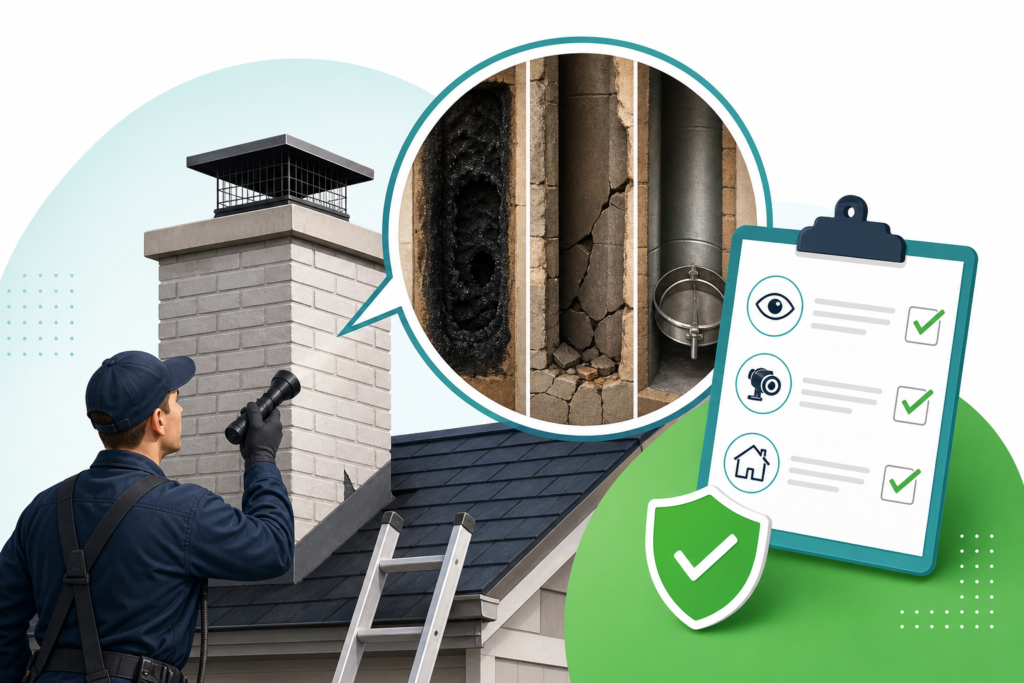
The camera reveals cracks, gaps, and deterioration inside the flue liner that are invisible to the naked eye. This is the inspection most home buyers should request before closing, and it is the one most likely to surface problems that need repair. Expect to pay $200 to $500 for a Level 2 inspection, depending on chimney height, access, and the provider.
Level 3: Invasive Inspection
Level 3 is reserved for situations where Levels 1 and 2 suggest serious structural problems but cannot confirm the extent of damage without opening walls or removing components. It is uncommon and significantly more expensive. Most homeowners will never need it unless there has been a major structural event or a severe chimney fire.
What Affects the Final Price
Several factors push a chimney inspection cost higher or lower than the typical range.
Chimney height and configuration. A single-story home with a short chimney is faster and easier to inspect than a three-story home with a tall stack. More height means more flue to scan and more time on the job.
Number of flues. Some homes have multiple fireplaces connected to separate flues within the same chimney structure. Each flue adds inspection time and cost.
Accessibility. A steep or complex roofline costs more to access safely. Tight attic spaces or unusual interior configurations add time as well.
Geographic market. Labor costs vary across New Jersey counties. A provider based in Bergen County may quote differently than one serving Ocean County, even for the same scope of work.
Bundled services. Some companies bundle inspection with cleaning in a single visit, which can reduce the total cost compared to booking them separately. If your chimney has not been cleaned in a year or more, asking about a combined appointment often makes financial sense.
Condition of the chimney. A technician who finds significant creosote buildup, animal nesting, or visible damage may need more time documenting findings and discussing repair options. This does not always increase the inspection fee itself, but it affects the total visit.
What a Chimney Inspection Includes
A thorough inspection covers more than a quick look up the flue. Here is what a qualified technician should examine during a standard Level 1 or Level 2 visit.
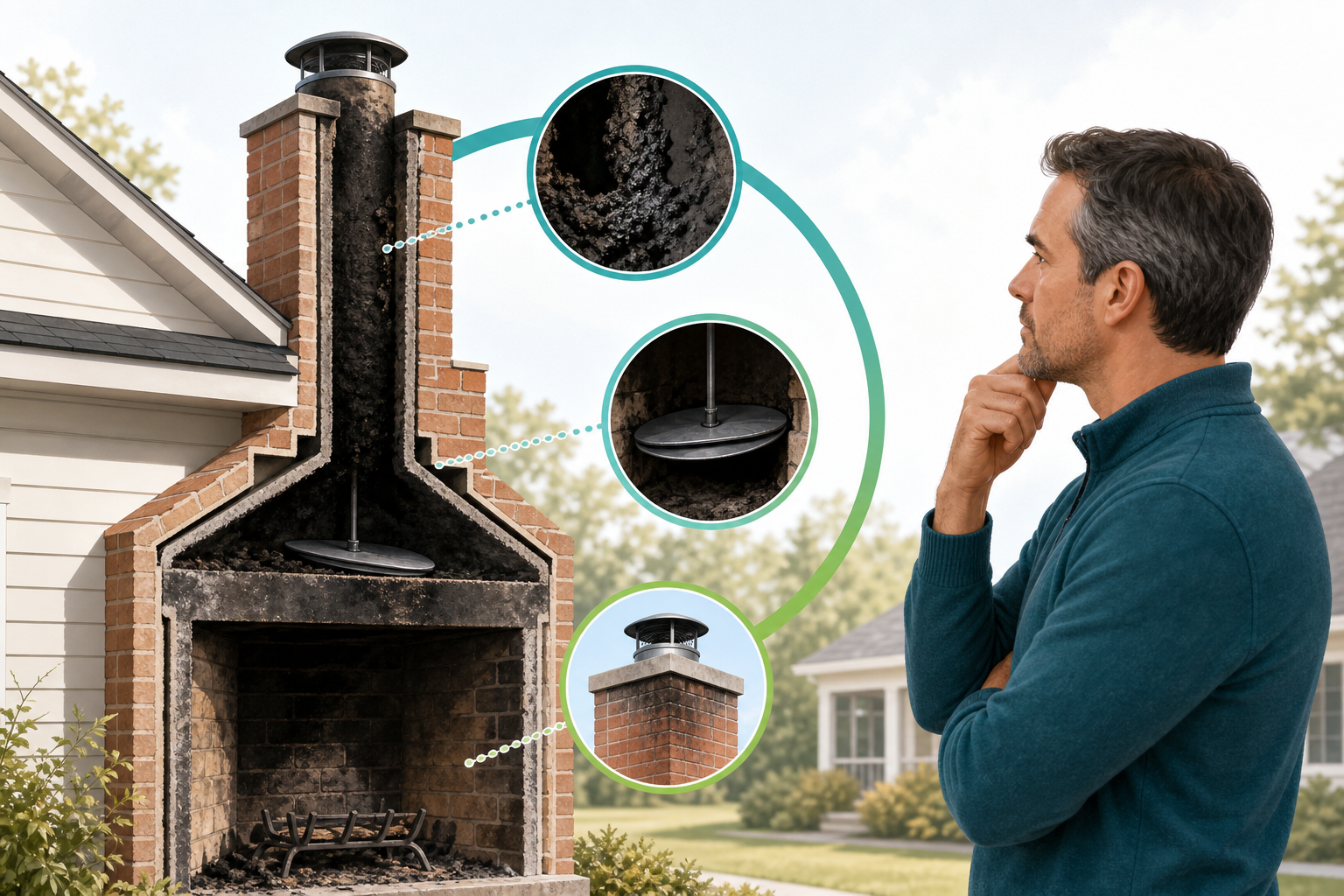
Firebox and smoke chamber. The technician checks for cracks in the firebox walls, deterioration of the smoke shelf, and the condition of the smoke chamber above the damper. These areas accumulate creosote and are common sites for structural wear.
Damper operation. The damper controls airflow and seals the chimney when the fireplace is not in use. A stuck, corroded, or missing damper is both an efficiency problem and a potential entry point for animals and moisture.
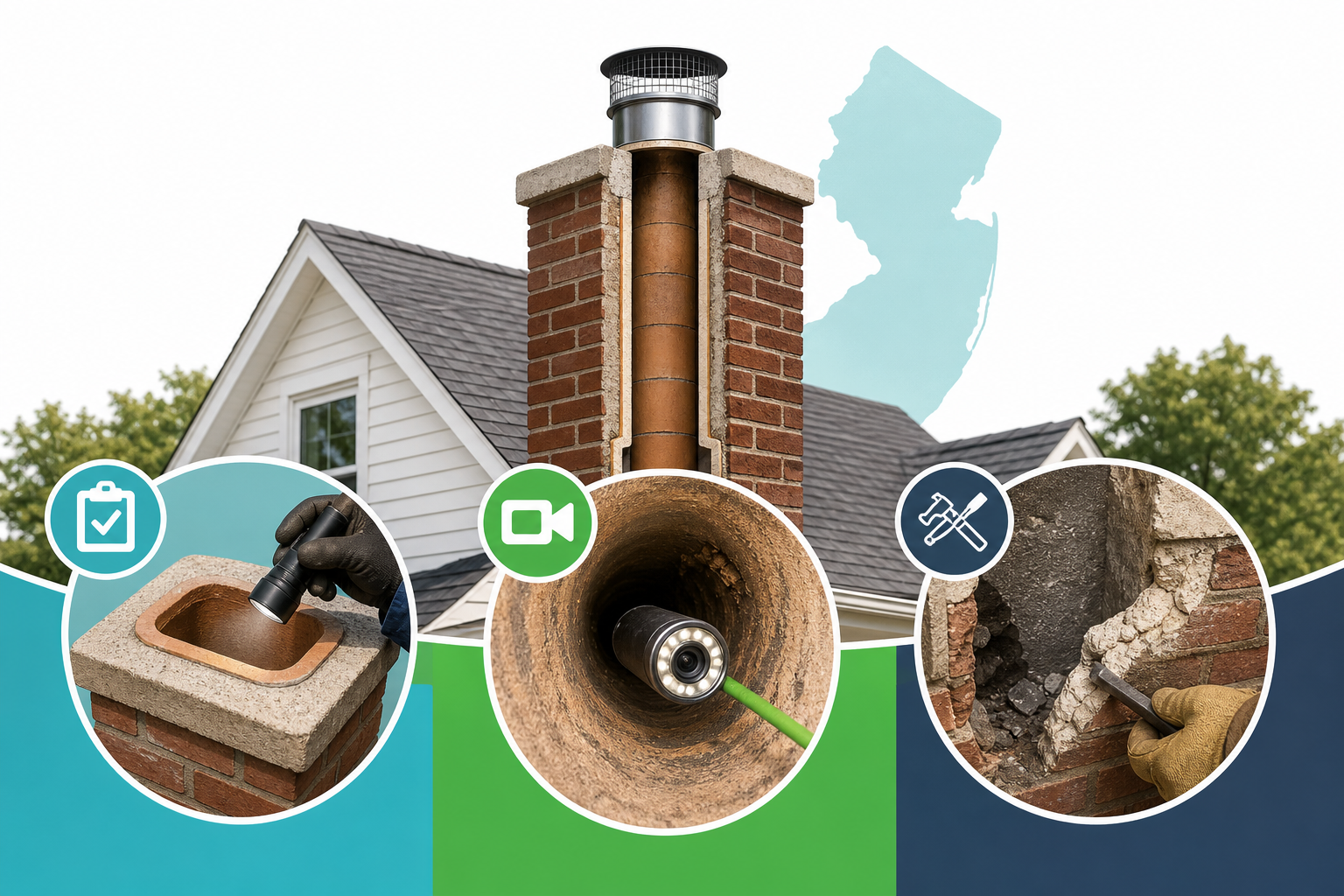
Chimney cap and crown. The cap sits at the top of the chimney and keeps rain, debris, and animals out. The crown is the concrete or mortar surface surrounding the flue at the top. Both are exposed to weather year-round and are frequent sources of water intrusion.
Flue liner. For Level 2 inspections, the camera scan of the flue liner is the most important part of the visit. Cracked or deteriorated liner sections allow combustion gases — including carbon monoxide — to seep into living spaces. This is the component most often flagged in pre-purchase inspections.
Exterior masonry. The technician looks for spalling bricks, deteriorated mortar joints, and signs of water damage on the exterior of the chimney structure.
Clearances and combustibles. The inspection should confirm that framing, insulation, and other combustible materials near the chimney maintain proper clearance distances.
Is a Chimney Inspection Worth the Cost?
The short answer is yes. A chimney fire can cause tens of thousands of dollars in structural damage. Carbon monoxide exposure from a compromised flue liner is a medical emergency. An inspection that costs $150 to $300 and catches either of those problems before they develop pays for itself many times over.
The more nuanced answer depends on your situation.
If you use your fireplace regularly and had it cleaned and inspected within the past year with no issues found, a Level 1 inspection is routine maintenance — similar to a furnace tune-up. You are paying for confirmation that the system is operating safely.
If you just purchased a home, a Level 2 inspection is not optional. Previous owners may have used the fireplace heavily, had repairs done improperly, or experienced a chimney fire that was never disclosed. The camera scan is the only way to know what you are actually working with.
If your fireplace has been smoking more than usual, you notice a strong odor, or you see visible cracks in the firebox, do not wait for the annual inspection cycle. Those are signs of a problem that needs attention now.
For property managers handling multiple units across New Jersey, regular chimney inspections reduce liability exposure and help schedule repairs before they turn into emergencies.
Chimney Inspection vs. Chimney Cleaning: Understanding the Difference
These two services are related but not the same. An inspection assesses the condition of the chimney system. Cleaning removes creosote, soot, and debris from the flue and firebox. Many homeowners assume they are getting both when they book one.
Before you schedule, ask specifically whether the visit includes cleaning or only inspection. Some providers offer both in a single appointment, which is often the most efficient approach if the chimney has been in use for a season or more.
If the inspection reveals heavy creosote buildup, cleaning becomes necessary before the fireplace is safe to use again. Creosote is flammable, and third-degree deposits in particular are a direct fire risk.
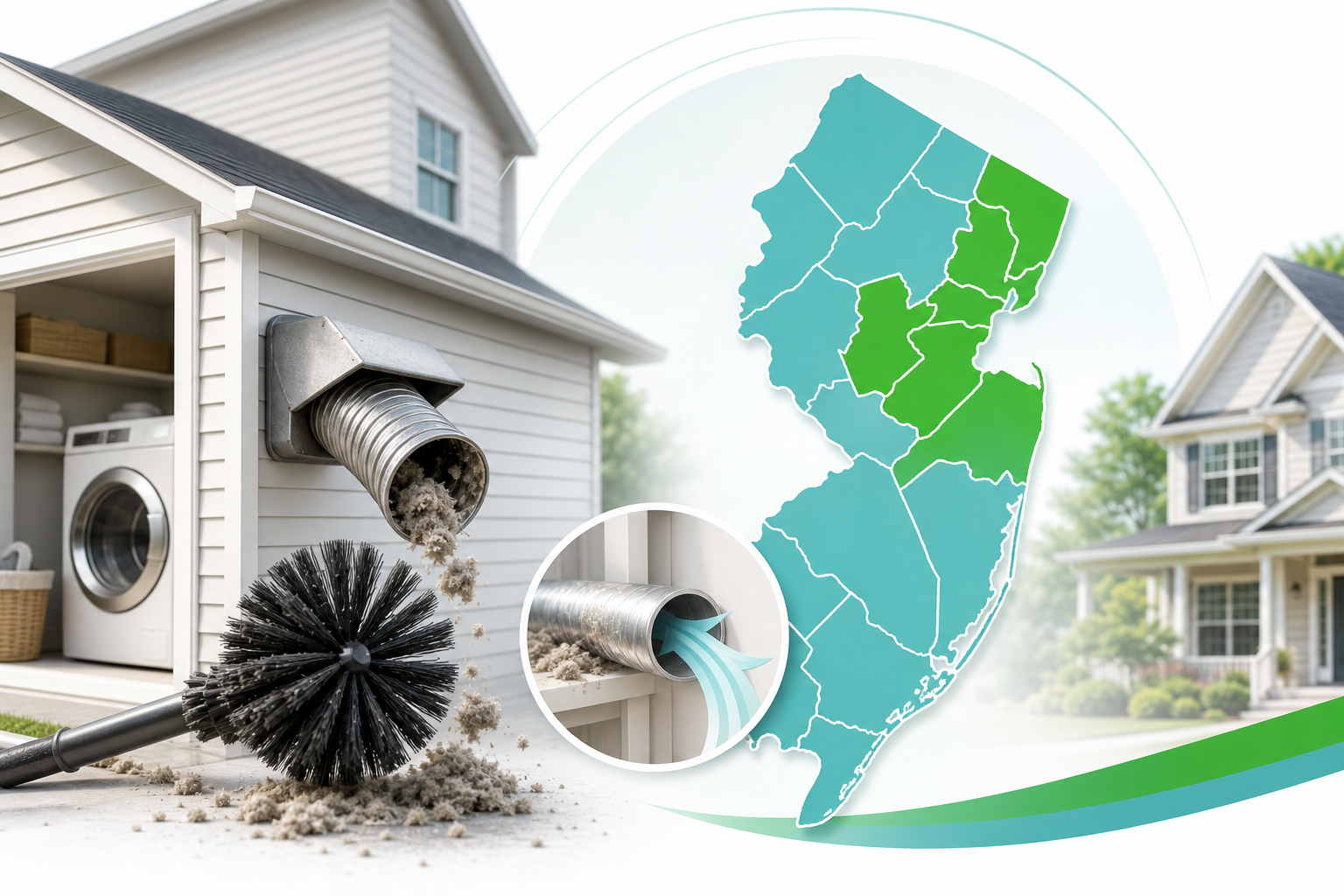
Certified Home Solution handles both chimney cleaning and chimney repair for homeowners across Monmouth, Middlesex, Ocean, Bergen, Somerset, Union, Essex, and Morris counties in New Jersey. If you are trying to sort out what your chimney needs and what it will cost, calling (732) 858-2441 or submitting a quote request online gets you a specific answer rather than a range.
What Happens After the Inspection
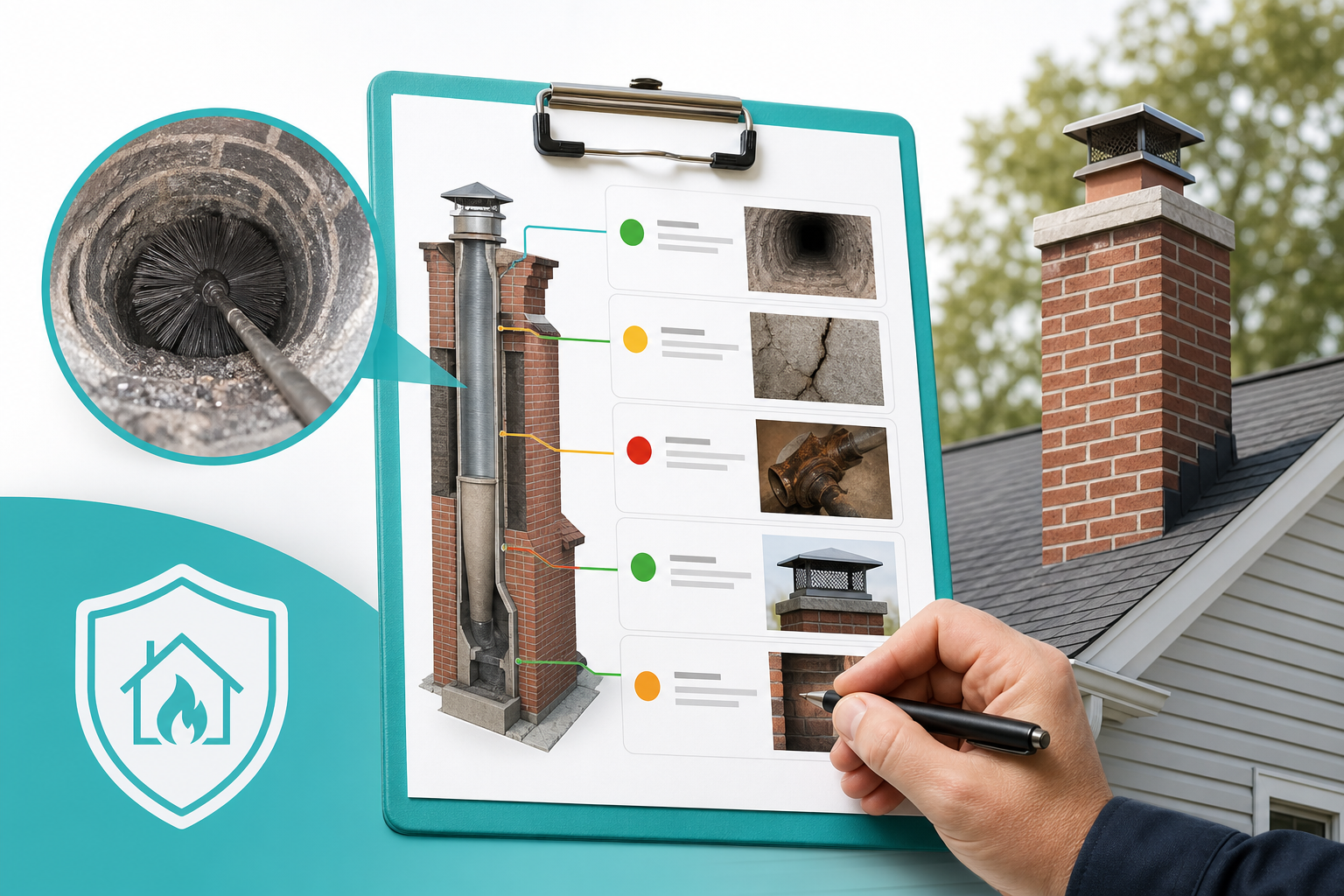
The inspection report tells you what the technician found. What you do next depends on the findings.
No issues found. The chimney is in good condition and safe to use. Schedule your next inspection before the following heating season.
Creosote buildup. Cleaning is needed before the fireplace is used again. This is a normal finding for chimneys that have been in regular use.
Minor repairs needed. Small cracks in the mortar, a damaged cap, or a stiff damper are common findings that can be addressed in a follow-up visit. These repairs are generally straightforward and not expensive.
Significant structural damage. Cracked flue tiles, deteriorated liner sections, or major masonry damage require more involved repair work. Get a detailed written estimate before authorizing anything, and make sure the scope covers everything the inspection identified.
Unsafe for use. In some cases, the technician will advise against using the fireplace until repairs are complete. Take this seriously. A compromised liner is both a carbon monoxide and a fire risk.
Chimney repair work at Certified Home Solution covers caps, bricks, crowns, dampers, and electric fireplace components. If an inspection elsewhere turns up repair needs and you want a second opinion or a competitive quote in New Jersey, the team is reachable at (732) 858-2441.
How Often Should You Schedule a Chimney Inspection?
Once per year is the standard recommendation for any chimney attached to a fireplace or wood-burning appliance in active use. The best time to schedule is before the heating season begins — typically late summer or early fall — when technicians are easier to book and any repairs can be completed before you need the fireplace.
Even if the fireplace only gets used once or twice a year, annual inspections still make sense. Chimneys deteriorate from weather exposure and moisture regardless of how often they are used. A chimney that sits dormant for two years can develop animal nesting, moisture damage, and mortar deterioration that a routine inspection would catch early.
Conclusion
Chimney inspection cost is a reasonable thing to research before booking, and the range you will encounter reflects real differences in what you are getting. A basic Level 1 visual inspection and a full Level 2 camera scan are not the same service, and the right choice depends on your situation. If you are buying a home, recently had a chimney fire, or have not had the system looked at in more than a year, the cost of an inspection is a small number compared to what it protects against. For New Jersey homeowners across the eight counties Certified Home Solution serves, getting a specific quote is a phone call away at (732) 858-2441 or through the contact form at certifiedhomessolution.com.
Frequently Asked Questions
How much does a chimney inspection cost in New Jersey?
Chimney inspection costs in New Jersey generally range from $100 to $500 depending on the level of inspection, chimney height, number of flues, and the provider. A basic Level 1 visual inspection typically falls in the $100 to $200 range, while a Level 2 camera inspection runs $200 to $500. Exact quotes depend on the specific job.
What is included in a chimney inspection?
A standard inspection covers the firebox, damper, smoke chamber, chimney cap, crown, exterior masonry, and clearances from combustibles. A Level 2 inspection adds a video camera scan of the flue liner interior — the most important component for detecting hidden cracks or deterioration.
Do I need a chimney inspection before buying a house?
Yes. A Level 2 inspection is strongly recommended before purchasing any home with a fireplace or wood-burning appliance. It is the only way to assess the condition of the flue liner, which is not visible during a standard walkthrough and is the component most likely to have hidden damage.
Is a chimney inspection the same as chimney cleaning?
No. An inspection assesses the condition of the chimney system. Cleaning removes creosote, soot, and debris. Some providers offer both in a single visit, but confirm what is included before booking. If the inspection finds significant creosote buildup, cleaning will be necessary before the fireplace is safe to use.
How often should a chimney be inspected?
Once per year is the standard recommendation for any chimney in regular use. The best time to schedule is before the heating season starts, typically in late summer or early fall. Even chimneys used infrequently should be inspected annually because weather exposure and moisture cause deterioration regardless of use.
What happens if the inspection finds a problem?
Minor findings like creosote buildup or a damaged cap are addressed through cleaning or straightforward repair. More serious findings — such as cracked flue tiles or deteriorated liner sections — require repair work before the fireplace is safe to use. The technician should provide a written summary of findings and a repair estimate.
Can I skip the inspection if my fireplace seems to be working fine?
Not reliably. Many chimney problems, including cracked flue liners and early-stage creosote buildup, produce no obvious symptoms until they become serious. A fireplace that draws well and shows no visible damage can still have a compromised liner. Annual inspections catch problems when they are inexpensive to fix rather than after they have caused damage.