- What Is a Chimney Crown and Why Does It Fail?
- The Main Factors That Drive Chimney Crown Repair Cost
- What Else Affects the Final Quote
- Repair vs. Full Replacement: How to Decide
- Signs Your Chimney Crown Needs Attention Now
- Getting an Accurate Quote for Your Crown Repair
- Don't Let a Small Crack Become a Structural Problem
- Frequently Asked Questions
The chimney crown is one of the most overlooked parts of a home — right up until water starts seeping into the walls or a home inspector flags it on a report. If you're trying to get a handle on chimney crown repair cost before calling anyone, this article breaks down every factor that moves the number higher or lower, what you can reasonably expect to pay in 2026, and how to avoid letting a small crack turn into a full rebuild.
What Is a Chimney Crown and Why Does It Fail?
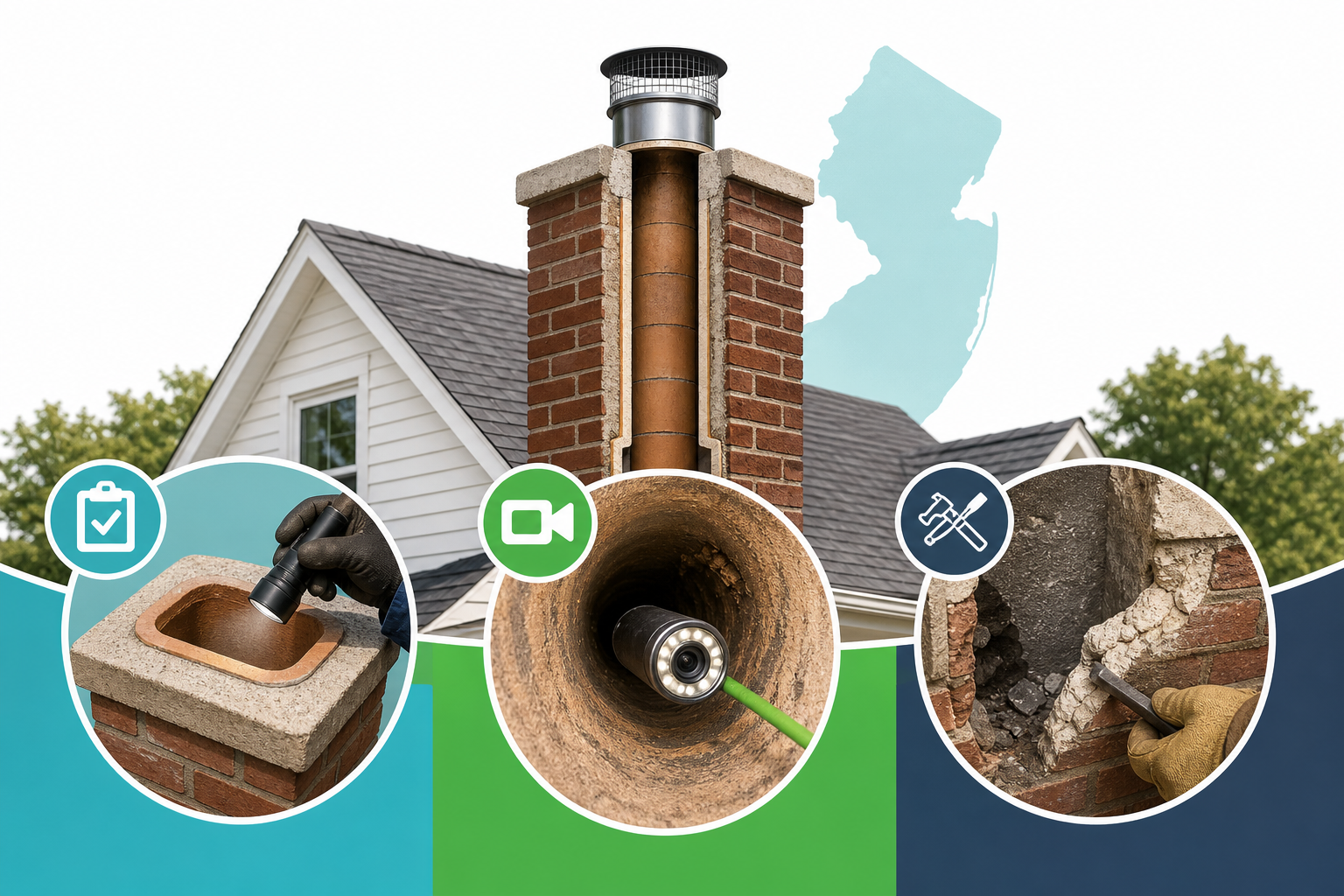
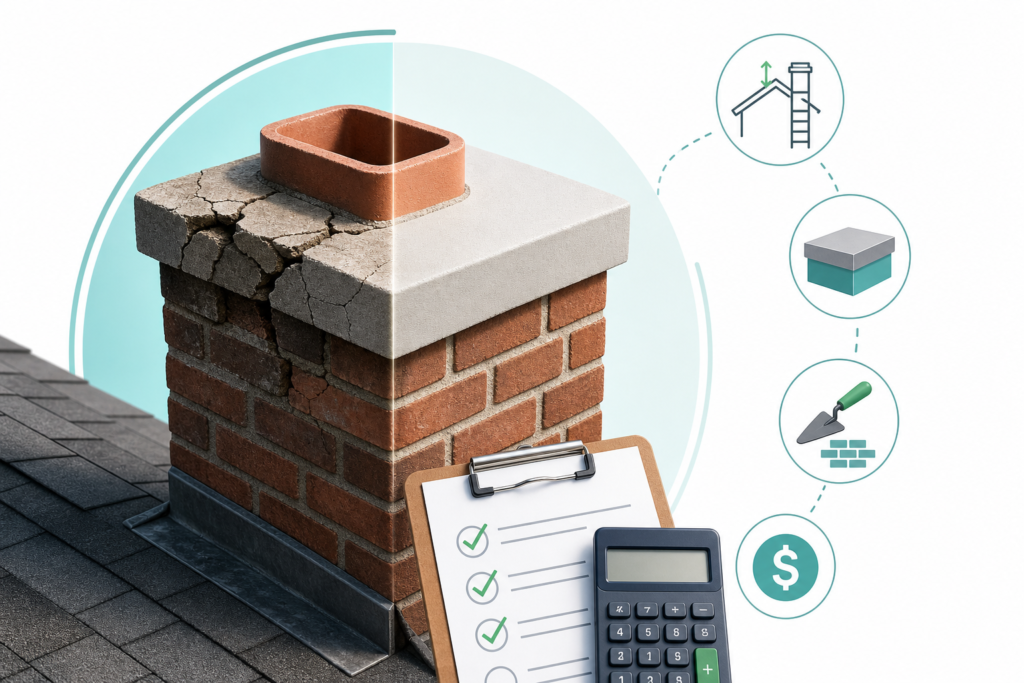
The chimney crown is the concrete or mortar slab that caps the top of your chimney, surrounding the flue opening. Its job is straightforward: keep water out. Rain, snow, and ice are supposed to shed away from the flue and off the chimney structure rather than soaking into the masonry below.
Crowns fail for a few predictable reasons. Freeze-thaw cycles in New Jersey winters are especially hard on them. Water gets into a hairline crack, freezes, expands, and widens the gap. Repeat that a few dozen times over a couple of seasons and what started as a surface blemish becomes a structural split. Poor original construction is another common culprit — many older homes have crowns built with basic mortar rather than a proper concrete mix, and mortar crowns deteriorate faster.
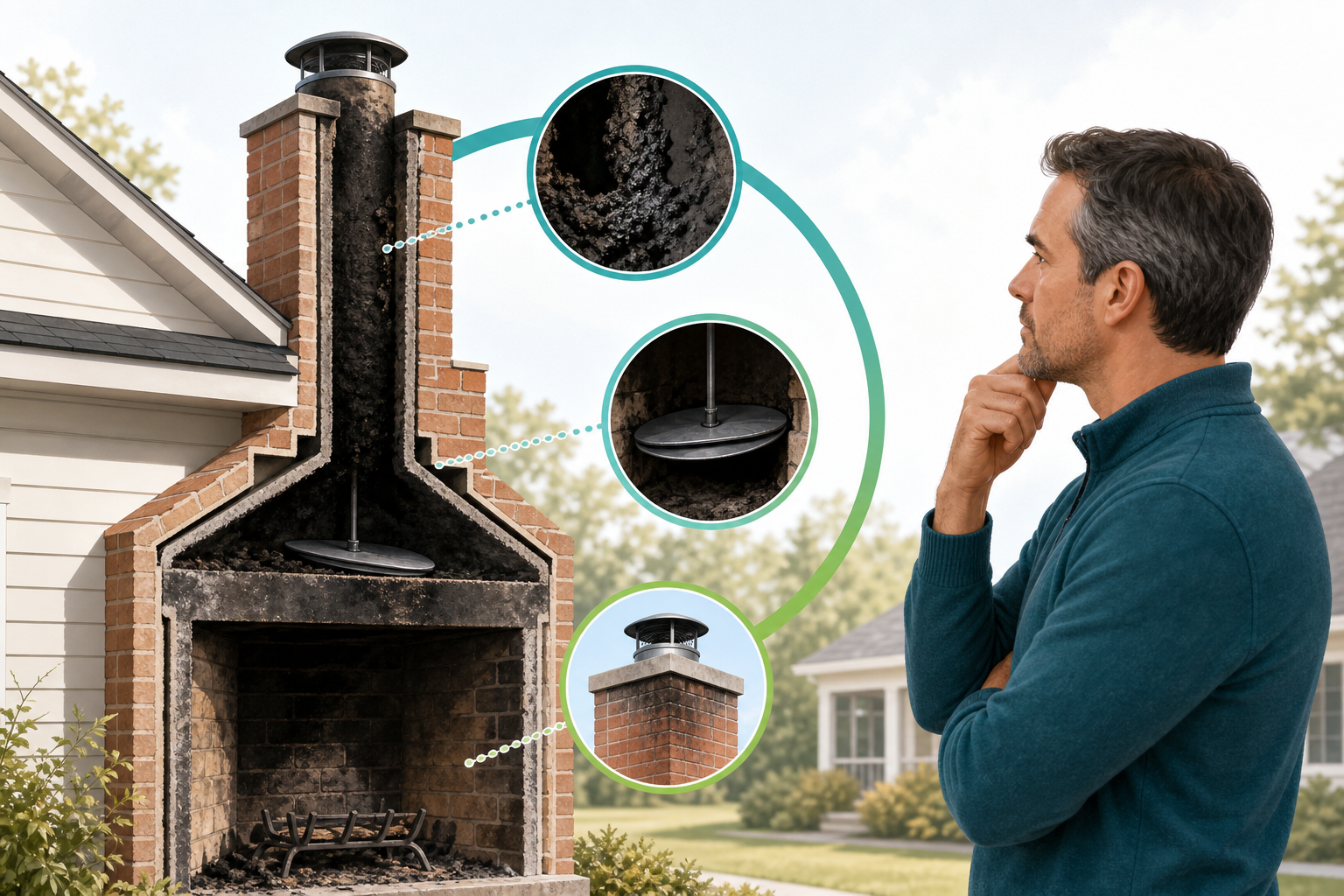
Once a crown fails, water follows the path of least resistance down into the chimney chase, soaking the brickwork, rusting the damper, and eventually reaching the firebox or the framing around it. The repair bill for that kind of water damage is almost always higher than the crown repair would have been.
The Main Factors That Drive Chimney Crown Repair Cost
Severity of the Damage
This is the single biggest cost driver. A crown with surface cracks and minor spalling can often be sealed with a flexible crown coating in one visit — that type of repair sits at the lower end of the price range. A crown that has fractured through its full depth, shifted, or partially collapsed requires removal and full replacement, which costs significantly more because of the demolition, forming, and curing time involved.
Contractors generally break crown work into three tiers:
- Sealing and resurfacing: Surface cracks filled and the crown coated with a waterproof sealant. Appropriate for early-stage deterioration.
- Partial repair: Sections of the crown removed and rebuilt where cracking is concentrated. More involved than sealing, but less expensive than starting over.
- Full replacement: The existing crown is chipped away entirely and a new one is poured or formed. Required when the crown is structurally compromised.
Crown Size and Chimney Configuration
A wider chimney with a larger crown surface costs more to repair or replace — more material, more time. Single-flue chimneys with a standard 16-by-16-inch top are less expensive than double-flue chimneys or the oversized masonry chimneys common in older New Jersey homes with multiple fireplaces.
The shape matters too. A properly built crown should slope away from the flue collar toward the edges, with a drip edge that extends past the chimney face. Crowns that were originally built flat or without a drip edge often need to be rebuilt to the correct profile rather than simply patched.
Roof Height and Access Difficulty
Labor costs go up when the chimney is hard to reach. A two-story colonial in Monmouth County with a steep roofline will cost more to service than a single-story ranch where the chimney sits above a low-pitch roof. Contractors factor in setup time, safety equipment, and the general difficulty of working at height.
On steep-pitch roofs, scaffolding is sometimes required rather than just a ladder, which adds rental cost and setup time to the job.
Material Choice for Replacement
When full replacement is needed, the material used for the new crown affects the final cost. Standard concrete mixes are the most common and most affordable. Pre-mixed crown repair products formulated specifically for chimney applications cost more per unit but are easier to apply correctly and tend to be more flexible — which helps them hold up through freeze-thaw cycles. Some contractors apply an elastomeric coating over a rebuilt concrete crown as an added waterproofing layer.
Material choice isn't just a cost decision. A properly mixed, correctly formed concrete crown with adequate thickness will outlast a thin mortar patch by years. The cheaper option upfront isn't always the better value.
Whether Other Repairs Are Needed at the Same Time
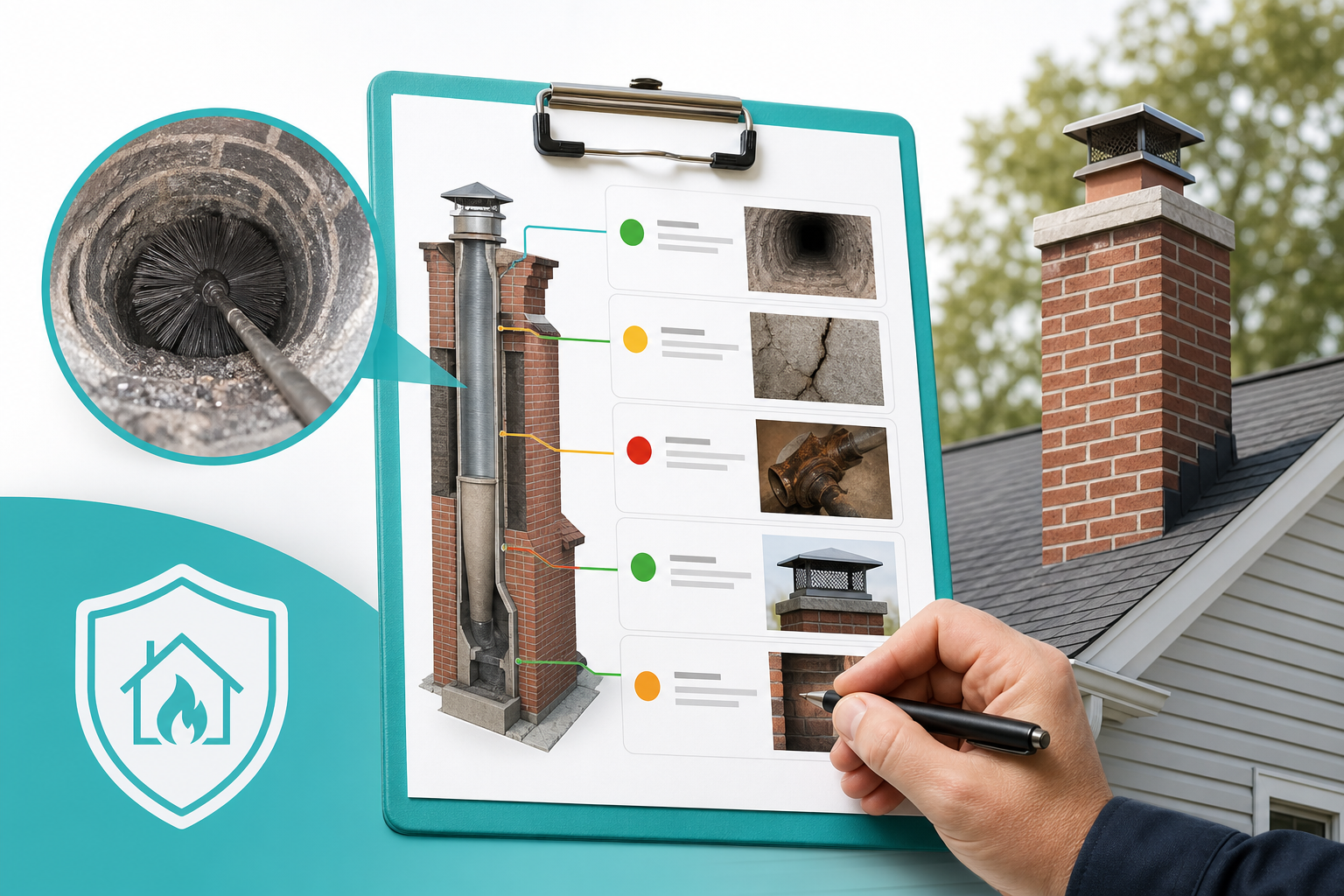
Chimney crowns rarely fail in isolation. By the time a crown has deteriorated enough to need repair, there's often related damage nearby: spalling bricks on the upper courses, a cracked or missing chimney cap, a rusted damper, or mortar joints that need repointing. Addressing everything in one visit is more efficient than scheduling separate appointments, but it does increase the total job cost.
If the flashing around the chimney base is also failing, that repair typically falls under roofing rather than chimney work, which may involve a separate contractor.
What Else Affects the Final Quote
Geographic Location Within New Jersey
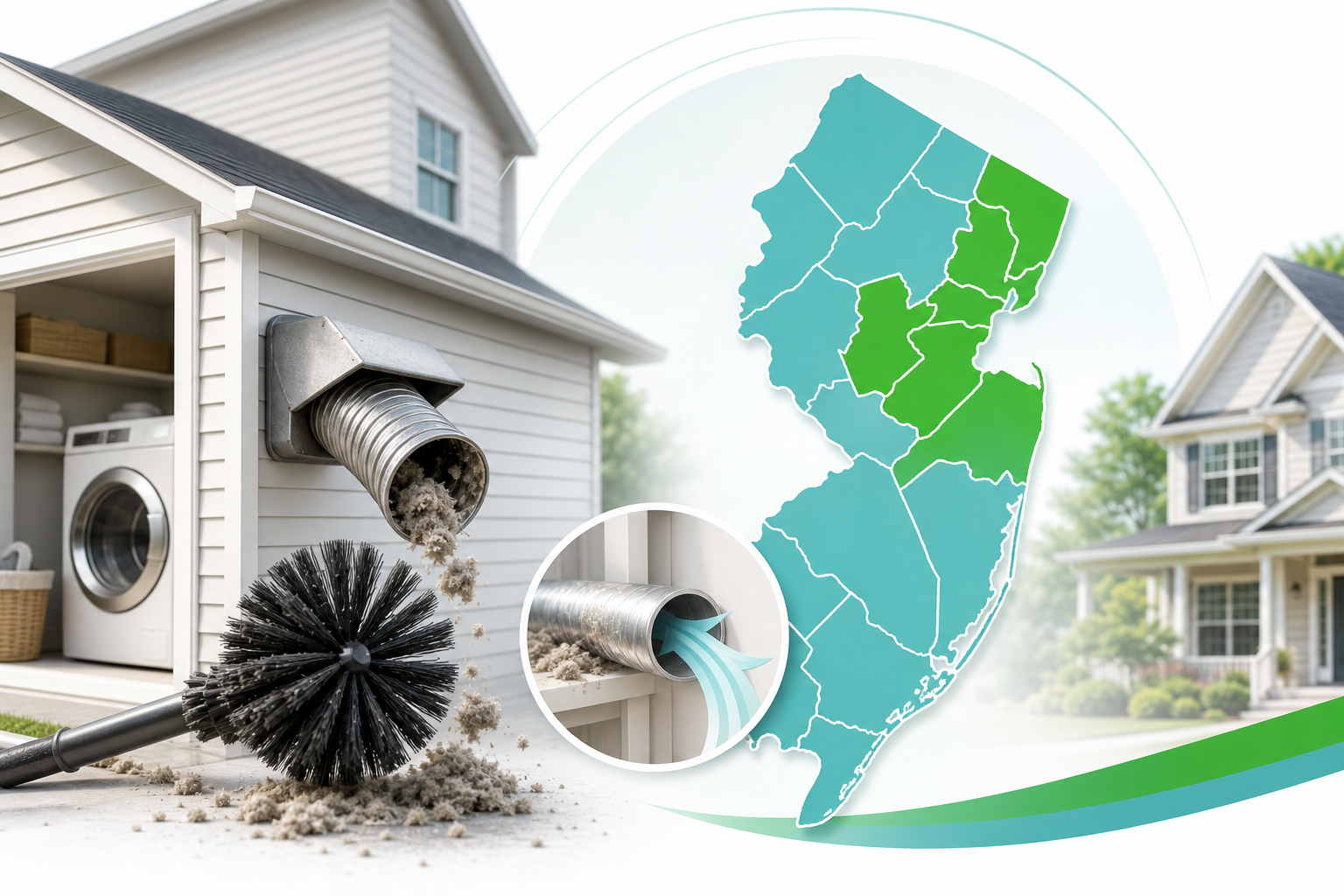
Labor rates vary across the eight counties Certified Home Solution serves. Bergen County and parts of Monmouth County tend to run higher than Ocean County or Somerset County, reflecting broader cost-of-living differences across the state. That said, the gap is usually a matter of a few dozen dollars rather than a dramatic swing.
Time of Year
Chimney contractors are busiest in fall, when homeowners are getting fireplaces ready for the heating season. Scheduling crown repair in late summer or early spring — when demand is lower — often gives you more flexibility on timing and, in some cases, pricing. Waiting until November means competing with everyone else who put it off.
Whether a Cleaning or Inspection Is Bundled
If your chimney hasn't been cleaned recently, it makes sense to have that done at the same visit as the crown repair. Chimney cleaning typically runs $150–$300. Combining it with crown work means one trip, one crew, and one set of setup costs rather than two separate visits.
Repair vs. Full Replacement: How to Decide
The right answer depends on what the technician finds when they get up there. As a general rule:
- Repair makes sense when the crown is structurally sound but has surface cracking, minor spalling, or small gaps. A good sealant or resurfacing product applied correctly can add years of life.
- Replacement is the right call when the crown has cracked through its full depth, when sections have broken away, or when the original construction was poor enough that patching would just delay the inevitable.
A reputable contractor will show you what they found and explain which option fits your situation. If someone quotes full replacement on a crown that only has surface cracks, ask them to walk you through why patching isn't sufficient.
Signs Your Chimney Crown Needs Attention Now
You don't have to wait for a home inspection to catch a failing crown. Watch for these:
- White staining (efflorescence) on the upper courses of brick, which signals water is moving through the masonry
- Chunks of concrete or mortar on the roof or in the firebox
- Water in the firebox after rain, even with the damper closed
- Visible cracks when you look up at the chimney from the yard
- A musty smell coming from the fireplace
Any of these is worth a professional look before the next winter season.
Getting an Accurate Quote for Your Crown Repair
The only way to get a number that actually applies to your chimney is to have someone look at it. Crown condition, chimney size, roof access, and whatever else turns up when the technician is up there all feed into the final price. General ranges help with budgeting, but they can't replace a real inspection.
Certified Home Solution has handled chimney repair work — crowns, caps, bricks, dampers, and related structural components — across Monmouth, Middlesex, Ocean, Bergen, Somerset, Union, Essex, and Morris counties since 2017. Because the company covers chimney cleaning, chimney repair, and fireplace service under one roof, you can get the inspection and any cleaning or repair work done in a single appointment rather than coordinating between multiple contractors.
Request a free quote by calling (732) 858-2441 or submitting a request through the contact form at Certified Home Solution. No obligation — just a clear picture of what your crown actually needs before you commit to anything.
Don’t Let a Small Crack Become a Structural Problem
A surface crack in a chimney crown is a manageable repair if you catch it early. Left alone through two or three more New Jersey winters, it can become a full replacement job — and if water has already worked its way into the brickwork below, the scope expands further. The math on acting early is straightforward.
If your chimney is more than ten years old and hasn't been inspected recently, the crown is worth adding to your maintenance checklist this fall.
Frequently Asked Questions
What is the average chimney crown repair cost in 2026?
Cost varies based on damage severity, chimney size, and roof access. Surface sealing and resurfacing sits at the lower end of the range, while full crown replacement costs more due to labor and materials. The only way to get an accurate figure for your specific chimney is to have a contractor inspect it in person.
Can I seal a chimney crown myself?
DIY crown sealant products exist, but applying them correctly requires safe roof access, proper surface preparation, and knowing whether sealing is even the right fix for the damage you have. A crown with structural cracks needs more than a surface coating. If you're unsure about the extent of the damage, get a professional inspection before attempting any repair.
How long does a chimney crown repair last?
A properly executed repair using a flexible, waterproof material can last ten years or more, depending on exposure and the quality of the work. A thin mortar patch on a structurally compromised crown may fail within a season or two. Material quality and correct application matter more than the repair method alone.
What happens if I ignore a cracked chimney crown?
Water enters through the crack, accelerates freeze-thaw damage to the brickwork below, and can eventually reach the chimney liner, damper, and surrounding framing. What starts as a surface repair can become a full crown replacement plus masonry repointing or damper replacement. Water damage inside the chimney chase is significantly more expensive to address than the crown itself.
Should chimney crown repair be done at the same time as chimney cleaning?
Yes, if your chimney is due for cleaning, combining it with crown repair in one visit is the efficient move. The technician is already on the roof and can assess the full condition of the chimney at the same time. Chimney cleaning typically runs $150–$300, and bundling it with repair work means one trip rather than two.
How do I know if I need crown repair or full replacement?
Surface cracks and minor spalling generally call for sealing or resurfacing. Cracks that run through the full depth of the crown, sections that have broken away, or a crown originally built with basic mortar rather than concrete often warrant full replacement. A contractor inspection is the only reliable way to know which applies to your chimney.
Does chimney crown damage affect my homeowner's insurance?
It depends on the cause and your policy. Sudden damage from a storm event may be covered; gradual deterioration from deferred maintenance typically is not. If you think storm damage contributed to the crown's condition, check with your insurer and document the damage with photos before any repair work begins.