- What a Chimney Liner Does and Why It Matters
- Common Causes of Chimney Liner Damage
- Signs You Have a Liner Problem
- Chimney Liner Repair: The Patch Option
- Chimney Liner Replacement: When It Is the Right Call
- The Inspection Step You Cannot Skip
- Patch vs. Replace: A Quick Decision Framework
- What Chimney Liner Repair Costs in New Jersey
- FAQs
- Make the Right Call Before the Next Fire Season
A damaged chimney liner is one of those problems that looks minor from the outside and turns serious fast. At some point, most New Jersey homeowners face the same decision: spend a few hundred dollars on a targeted fix, or commit to a full liner replacement that costs more upfront but solves the problem for decades. Getting that call wrong in either direction costs you money, safety, or both.
This guide covers what a chimney liner actually does, what causes it to fail, and how to figure out whether patching makes sense or whether replacement is the only responsible path forward.
What a Chimney Liner Does and Why It Matters
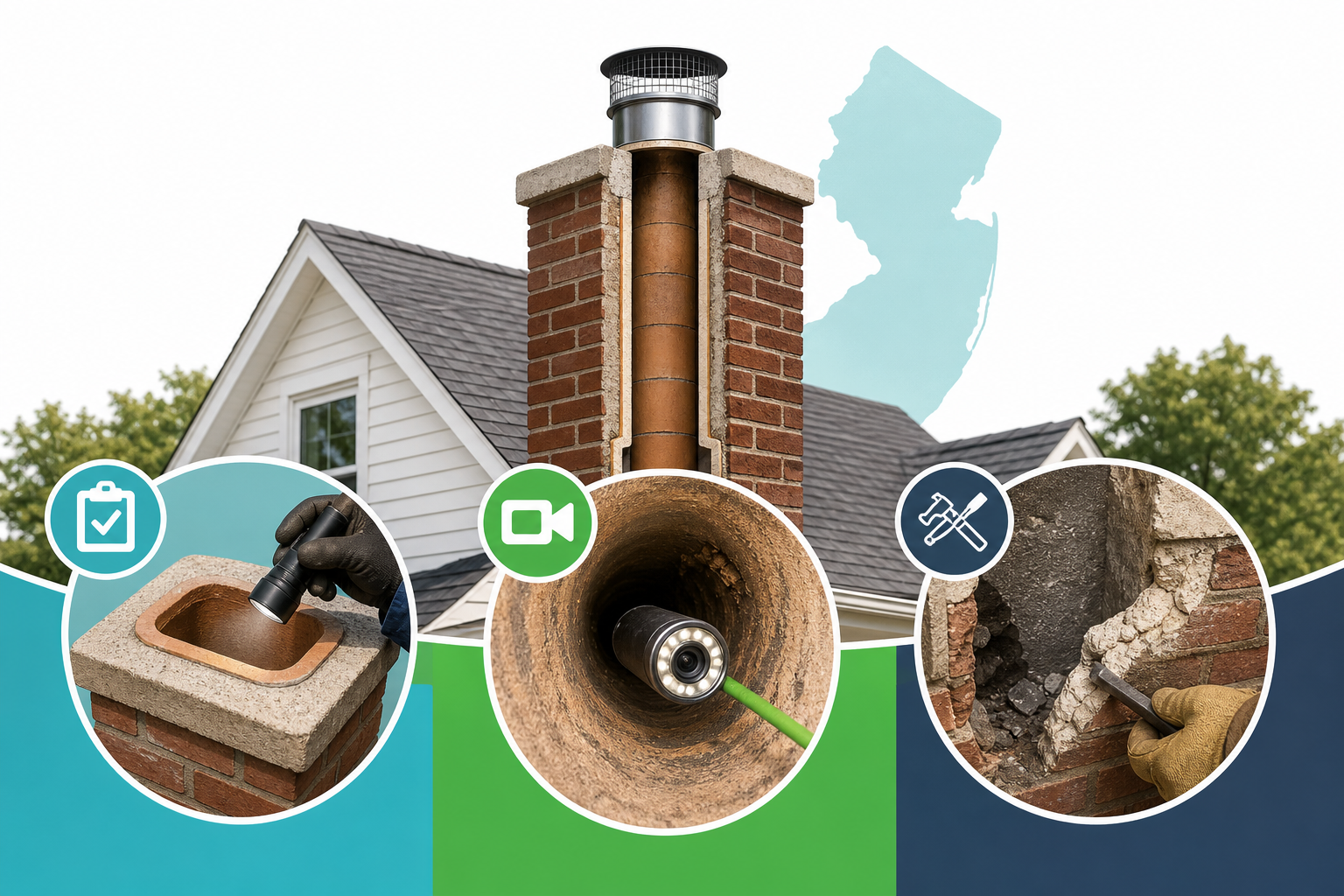
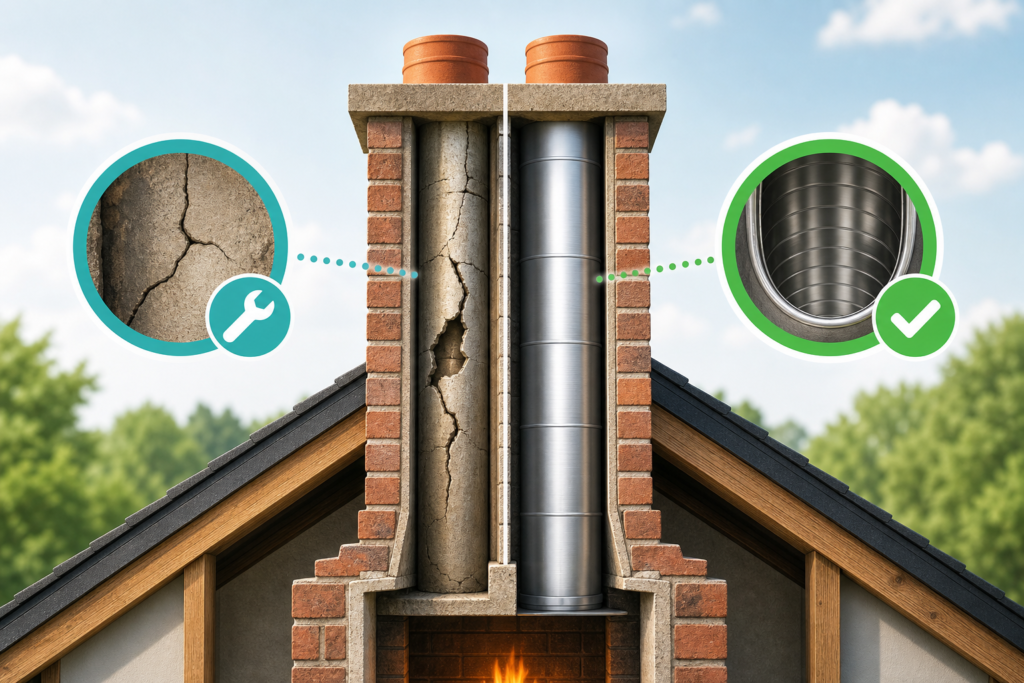
The liner is the interior channel running from your firebox up through the flue to the top of the chimney. It does three things: contains combustion gases so they vent safely out of the home, protects the surrounding masonry from heat and corrosive byproducts, and maintains the correct flue dimensions for efficient draft.
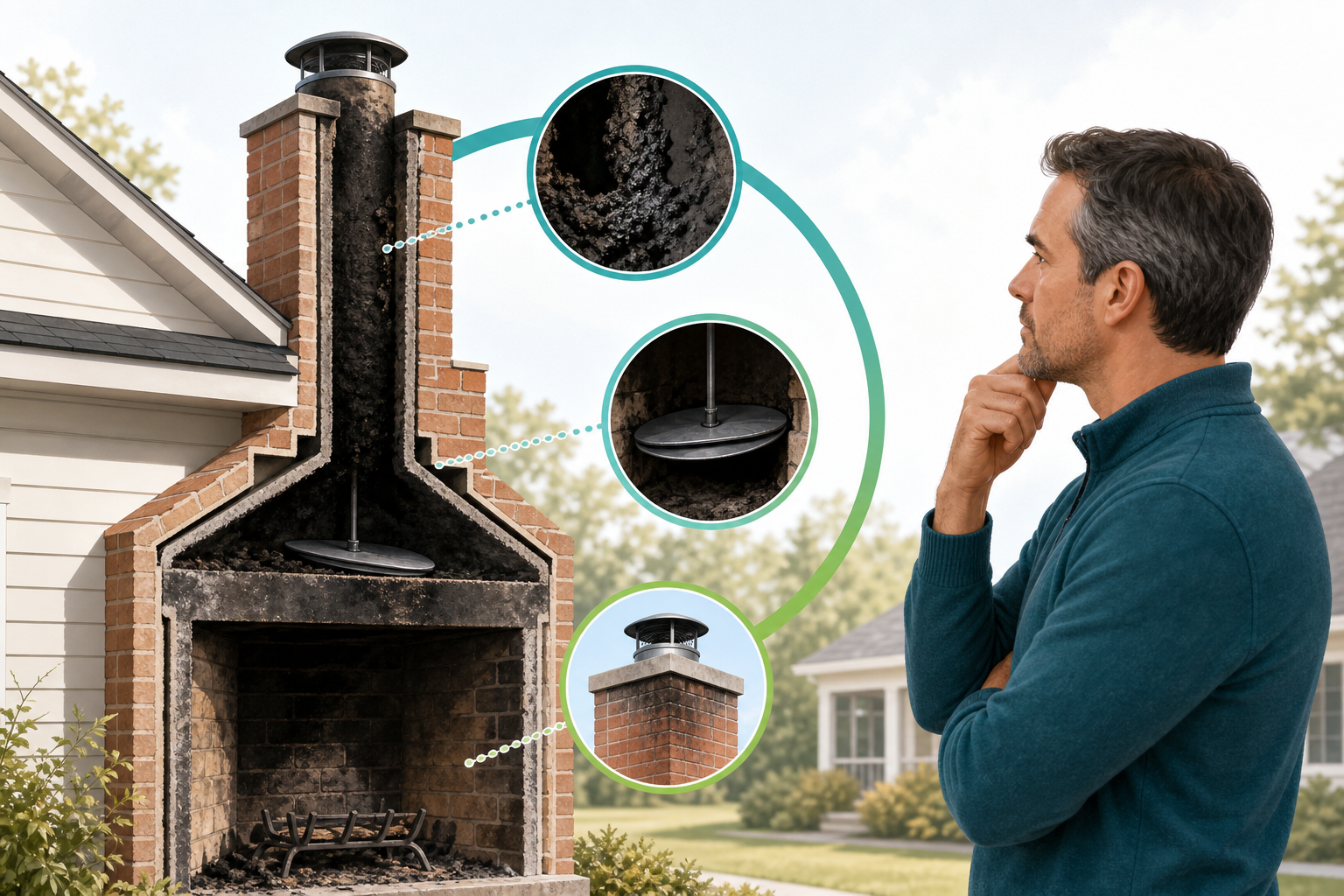
Without a functioning liner, combustion gases — including carbon monoxide — can seep into living spaces through cracks in the masonry. Heat transfer to adjacent framing becomes a real fire risk. And creosote, the tar-like byproduct of burning wood, builds up faster in an oversized or damaged flue because draft becomes inconsistent.
Most homes built before the 1940s were constructed without liners entirely. Homes built after that typically have clay tile liners, which are durable but brittle. Newer installations often use stainless steel or cast-in-place systems.
Common Causes of Chimney Liner Damage
Understanding what caused the damage tells you a lot about whether a patch will hold.
Freeze-thaw cycling is the most common culprit in New Jersey. Water enters small cracks in clay tile, freezes in winter, expands, and widens those cracks season after season. A liner that has gone through several decades of this has likely developed widespread fracturing rather than a single isolated break.
Chimney fires cause sudden, severe damage. Even a brief chimney fire can crack clay tiles or warp a stainless liner. If your home has had one, treat the liner as compromised until a professional says otherwise.
Settling and movement in older homes shifts the masonry around the liner, displacing tile sections or opening gaps at joints. This is common in houses 20 to 30 years old with foundations that have moved over time.
Improper appliance venting happens when a high-efficiency furnace or insert is connected to a flue sized for an older, less efficient unit. The cooler exhaust from modern appliances condenses inside an oversized flue, and that acidic condensate attacks clay tile and mortar joints over years of use.
Age alone is worth taking seriously. Clay tile liners have a typical service life of around 50 years under normal conditions. If your home was built in the 1970s or earlier and the liner has never been replaced, an inspection is worth scheduling even without obvious symptoms.
Signs You Have a Liner Problem
Some liner issues announce themselves clearly. Others are easy to miss until a camera inspection surfaces them.
- White staining on the exterior chimney face (efflorescence) signals moisture moving through masonry, often from a compromised liner
- Flaking or spalling tile fragments appearing in the firebox or at the cleanout door
- Smoke entering the room during normal fires, especially if draft was fine before
- A persistent smell of smoke or creosote in rooms near the chimney when the fireplace is not in use
- A home inspector flagging liner condition during a sale or refinance
- Visible cracks or gaps found during a camera inspection of the flue
That last one is worth emphasizing. Many liner problems are not visible from the firebox opening or the chimney cap. A proper evaluation requires a camera run through the full length of the flue. Without it, you are guessing.
Chimney Liner Repair: The Patch Option
Patching makes sense under a specific set of conditions. If the liner is structurally sound overall and the damage is limited to one or two isolated areas, a targeted repair can restore function and meaningfully extend the liner's life.
When Patching Is Appropriate
Single-location cracks in an otherwise intact liner. If a camera inspection shows one cracked tile joint in a liner that is otherwise in good shape, a mortar-based patch or heat-resistant sealant applied by a technician can address that spot without replacing the whole system.
Minor joint separation. Clay tile liners are assembled in sections, and the mortar at those joints degrades over time. If only one or two joints have opened up and the tiles themselves are intact, repointing those joints is a reasonable repair.
Small spalls on tile faces. Surface spalling where the glaze has flaked but the tile body is not cracked can sometimes be stabilized rather than replaced.
Newer liners with isolated installation damage. If a liner was installed in the last 10 to 15 years and has a single problem area from a physical impact or an unusual event, repair is worth considering before jumping to replacement.
What Patching Cannot Fix
Patching has real limits. If the damage is widespread, if multiple tiles are cracked, or if structural gaps are allowing combustion gases to bypass the flue, a patch is a short-term answer to a long-term problem. You will spend money on the repair and face the same conversation again in two or three years.
Patching also does not change the liner's dimensions. If the underlying issue is that the flue is the wrong size for the appliance it is venting, no amount of patching corrects that mismatch.
Chimney Liner Replacement: When It Is the Right Call
Replacement is the bigger investment, but it is the right answer more often than homeowners expect — particularly in older New Jersey homes where liners have been in service for 40 or 50 years.
Situations That Typically Require Full Replacement
Widespread cracking or deterioration across multiple tiles. When a camera inspection reveals damage at multiple points along the flue, patching each location is neither cost-effective nor reliably safe. A full liner replacement addresses all of it at once.
Post-chimney-fire evaluation. After a chimney fire, the liner should be treated as compromised until a professional inspection proves otherwise. If the fire was significant, replacement is usually the outcome.
Liner failure in a home without an existing liner. Older homes that were never lined, or where the original liner has deteriorated to the point of being functionally absent, need a new liner before the fireplace or any connected appliance can be used safely.
Switching fuel types or upgrading appliances. Converting from wood to gas, adding a gas insert, or installing a new high-efficiency furnace often means the existing liner is not rated or sized for the new appliance. Replacement with a correctly sized stainless or aluminum liner is typically required.
Liner material failure. Some older clay tile liners have simply reached the end of their service life and are too fragile to repair reliably. At that point, replacement is the only path that gives you a liner you can trust.
Liner Replacement Options
Stainless steel flexible liner. The most common replacement option for wood-burning and gas applications. A flexible stainless liner is inserted into the existing flue and works well in chimneys that are not perfectly straight. It is durable, corrosion-resistant, and compatible with most appliance types.
Rigid stainless liner. Used in straight flues. Slightly more efficient than a flexible liner but requires a chimney without offsets.
Cast-in-place liner. A poured refractory material cast inside the existing flue, forming a new seamless liner around the old one. This option works well in chimneys with irregular shapes or significant masonry deterioration because it bonds to the surrounding structure and can actually reinforce it.
Aluminum liner. Appropriate for gas appliances with low-temperature exhaust. Not suitable for wood-burning fireplaces or high-heat applications.
The Inspection Step You Cannot Skip
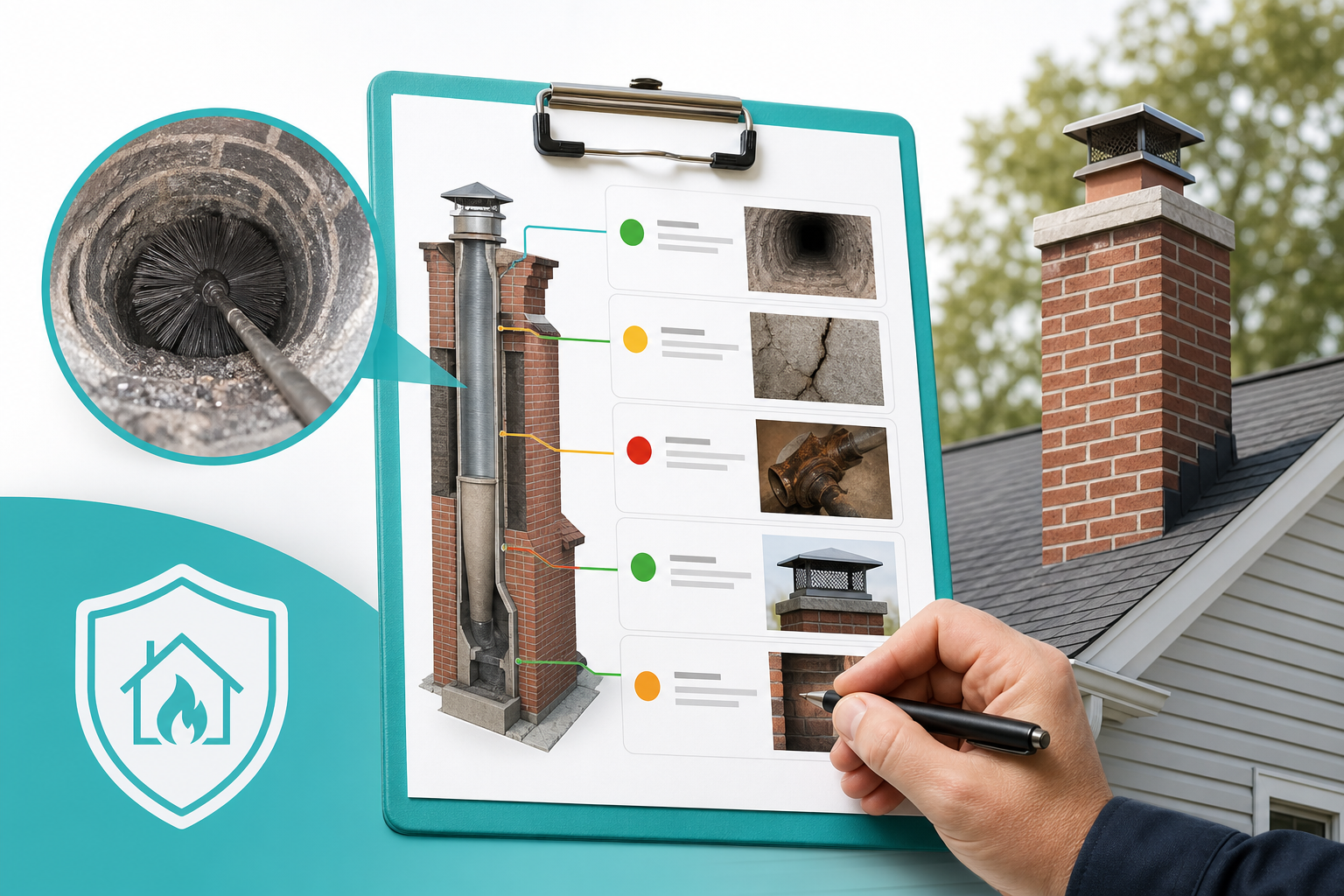
Neither patching nor replacement is a decision worth making without a professional camera inspection first. Visual inspection from the top or bottom of the flue misses most of what matters. A proper inspection runs a camera through the full length of the flue, documents what it finds, and gives you a clear picture of liner condition before anyone recommends a repair path.
This is also where chimney cleaning comes in. A flue that has not been cleaned recently will have creosote buildup that obscures the liner surface during inspection. Cleaning first, then inspecting, gives the technician an accurate read on what is actually there.
If your home is in New Jersey and you are not sure when the liner was last inspected, that is the right place to start. Certified Home Solution has been handling chimney cleaning and repair work across eight NJ counties since 2017. A free quote is available by phone at (732) 858-2441 or through the online contact form.
Patch vs. Replace: A Quick Decision Framework
| Situation | Likely Path |
|---|---|
| One or two isolated cracks, liner otherwise intact | Patch |
| Multiple cracks across several tiles | Replace |
| Minor joint separation, tiles sound | Patch |
| Post-chimney-fire damage | Replace (after inspection) |
| Liner age 40+ years with widespread wear | Replace |
| Appliance upgrade or fuel type change | Replace |
| Single-location damage on a newer liner | Patch |
| No liner present in older home | Install new liner |
This table is a starting point, not a substitute for an actual inspection. Liner condition varies significantly from one chimney to the next, and the only way to know what you are dealing with is to look.
What Chimney Liner Repair Costs in New Jersey
Patching is less expensive than replacing, but the range is wide depending on the type of repair, the accessibility of the chimney, and how much of the flue needs attention. For reference, chimney cleaning in New Jersey typically runs $150 to $300 as a starting point. Liner repair and replacement work is quote-based because the scope varies so much from job to job.
When comparing quotes, make sure each contractor is pricing the same scope. A quote that includes a camera inspection, cleaning, and the repair itself is not directly comparable to one that covers only the repair. Ask what the inspection found, what material is being used, and whether the quote covers the full flue length.
FAQs
What is a chimney liner and do I need one?
A chimney liner is the interior channel running through your flue. It contains combustion gases, protects surrounding masonry from heat and corrosive byproducts, and maintains proper draft. Most building codes require a functional liner for any wood-burning or gas appliance, and using a fireplace or furnace without one is a documented safety risk.
How do I know if my chimney liner is damaged?
Common signs include smoke entering the room during fires, a persistent smoke smell when the fireplace is not in use, white staining on the exterior chimney, and tile fragments appearing in the firebox. That said, many liner problems are only visible through a professional camera inspection of the full flue length.
Can I patch a cracked chimney liner myself?
DIY patching products exist, but applying them correctly requires access to the damaged area and an accurate read on how extensive the damage is. Without a camera inspection, you cannot know whether you are patching the only problem or one of several. A professional inspection before any repair is the more reliable approach.
How long does a chimney liner last?
Clay tile liners typically last around 50 years under normal conditions, though freeze-thaw cycling and chimney fires can shorten that significantly. Stainless steel liners generally carry warranties of 15 to 25 years depending on the manufacturer and gauge. Cast-in-place liners can last as long as the surrounding masonry.
What happens if I use a fireplace with a damaged liner?
Combustion gases including carbon monoxide can enter living spaces through gaps or cracks in the liner. Heat transfer to adjacent wood framing increases fire risk. Creosote builds up faster in a flue with inconsistent draft, raising the risk of a chimney fire. These are not theoretical concerns — they are documented hazards associated with compromised liners.
How often should a chimney liner be inspected?
Annual inspection is the standard recommendation for any chimney in regular use. If the fireplace has not been used in several years, or if the home has recently had a chimney fire, an inspection before the next use is the right call regardless of when the last one happened.
Does chimney liner repair require a permit in New Jersey?
Permit requirements vary by municipality. Some NJ towns require a permit for liner replacement but not for minor repairs. Your contractor should be familiar with local requirements in your county. When in doubt, check with your local building department before work begins.
Make the Right Call Before the Next Fire Season
The patch-versus-replace decision comes down to one thing: the actual condition of the liner, documented by a camera inspection. Everything else is guesswork. If your chimney has not been inspected in the last year, or if you have noticed any of the warning signs covered here, getting that inspection done before fall is the practical move.
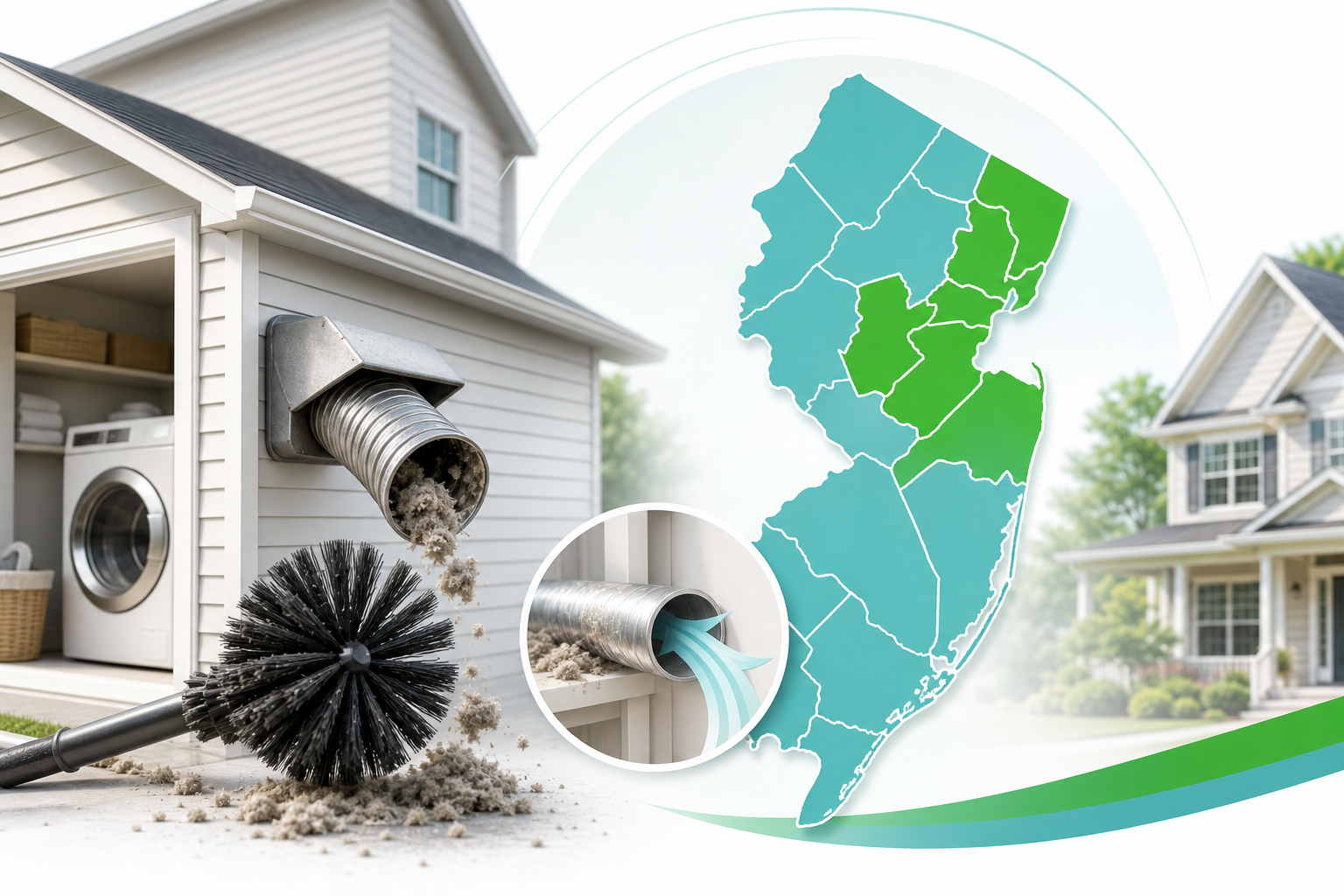
Certified Home Solution handles chimney cleaning and repair work across Monmouth, Middlesex, Ocean, Bergen, Somerset, Union, Essex, and Morris counties. Reach the team by phone at (732) 858-2441 or request a free quote online to get a clear picture of what your liner actually needs.