- What a Chimney Crown Does
- Signs Your Chimney Crown Needs Repair
- What Happens If You Ignore Chimney Crown Damage
- What Chimney Crown Repair Actually Involves
- Chimney Repair in New Jersey: What to Expect
- How to Reduce the Risk of Crown Damage
- Frequently Asked Questions
- The Bottom Line
The chimney crown is one of the most overlooked parts of a home—yet chimney crown repair is one of the more common calls homeowners make after a wet winter or a home inspection flags a problem. It sits at the very top of your chimney, seals the gap between the flue liner and the outer masonry, and takes the full force of every rainstorm, freeze-thaw cycle, and summer heat wave your home endures. When it fails, water gets in. And water inside a chimney causes a chain of damage that costs far more to fix than the crown itself ever would have.
This article covers what a chimney crown actually does, how to spot early warning signs that yours is failing, and what happens structurally if you keep putting off the repair.
What a Chimney Crown Does
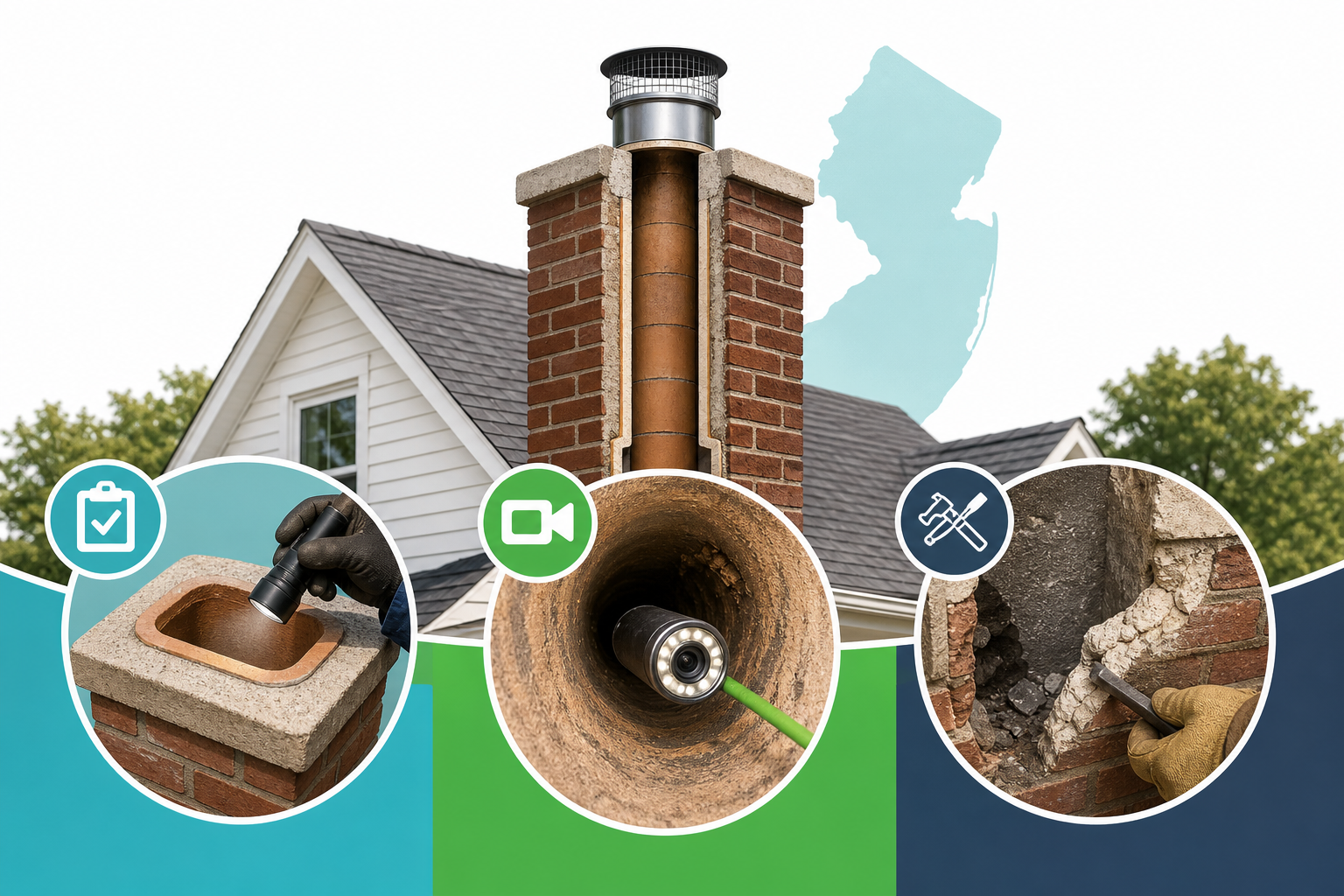
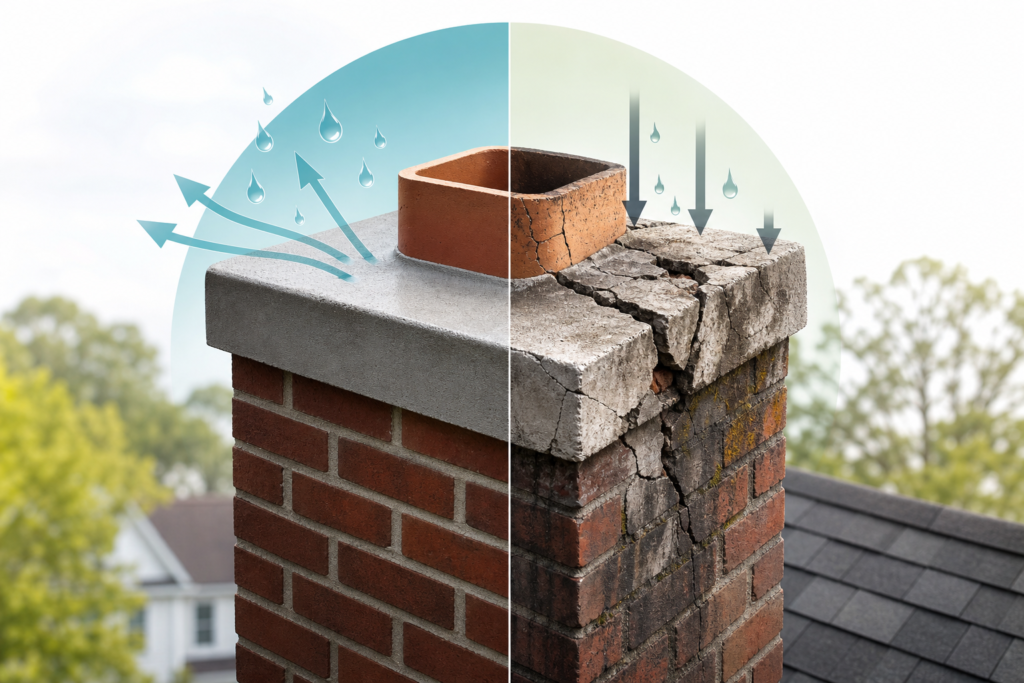
The chimney crown is the concrete or mortar slab that covers the top of the chimney stack. It slopes slightly outward so water runs off rather than pooling, leaving only a gap for the flue liner to pass through. That design does two things: it keeps rain, snow, and debris from falling directly into the flue, and it protects the brick and mortar of the chimney stack from water infiltration at the top.
Without a functioning crown, the top of your chimney is essentially open to the elements. The flue liner, the mortar joints between bricks, the smoke shelf, and the firebox below are all exposed to whatever moisture works its way in from above.
A chimney cap sits on top of the crown and covers the flue opening specifically. The two are separate components and both matter, but the crown is the larger structural piece. Replacing a cap without addressing a cracked crown still leaves the masonry exposed.
Signs Your Chimney Crown Needs Repair
You don't need to climb onto your roof to catch most of these warning signs. Some show up inside the house; others are visible from the ground with a pair of binoculars.
Visible Cracks Along the Crown Surface
The most direct sign is cracking across the crown itself. Concrete and mortar expand and contract with temperature changes, and over time that movement causes hairline cracks to form. Small cracks widen with every freeze-thaw cycle as water enters, freezes, and forces the crack open further.
From the ground, look for white streaks running down the chimney face below the crown. That white residue—called efflorescence—is mineral salt left behind when water evaporates after passing through the masonry. It's a reliable indicator that water is moving through the crown or the upper mortar joints.
Spalling Bricks Near the Top of the Stack
When water saturates the bricks just below the crown and then freezes, the surface of the brick flakes or pops off. This is called spalling. You may notice small chips of brick or reddish debris on the roof, in the gutters, or on the ground around the base of the chimney. Spalling near the top of the stack—rather than lower on the chimney—often points to crown failure as the source of the moisture.
Water Stains Inside the Firebox or on the Ceiling
Water stains on the back wall of the firebox, on the smoke shelf, or on the ceiling near the chimney breast are a strong signal that water is entering from above. If the stains appear after rain but there's no obvious flashing problem, the crown is a likely culprit.
Staining on interior walls or ceilings near the chimney chase can also mean water has been traveling down through the masonry long enough to soak through to finished surfaces. By the time you see it on drywall, the damage inside the chimney structure has typically been building for months.
A Musty Smell When the Fireplace Is Not in Use
Moisture inside the flue creates conditions where mold and mildew can grow. A persistent musty or damp smell coming from the fireplace—especially after rain—is worth investigating. The smell alone doesn't confirm crown damage, but combined with any of the other signs above, it adds to the picture.
A Home Inspector Flags the Crown
Many homeowners first learn their crown is damaged during a home sale inspection. Inspectors routinely note crown cracking or deterioration in their reports, and it's one of the more common chimney-related items that comes up in real estate transactions across New Jersey. If your inspection report mentions crown issues, don't treat it as a minor cosmetic note. The inspector is flagging a water intrusion risk.
What Happens If You Ignore Chimney Crown Damage
This is where the stakes become clear. A cracked crown is a relatively contained repair. Left alone, it sets off a sequence of damage that touches multiple systems.
Water Damage Spreads Down the Flue
Once water bypasses the crown, it runs down the inside of the chimney. The flue liner—whether clay tile or metal—isn't designed to handle sustained water exposure from above. Clay tile liners absorb moisture and crack. Metal liners can corrode. Either way, a compromised liner becomes a fire and carbon monoxide risk because it can no longer contain combustion gases and direct them safely out of the home.
Mortar Joints Deteriorate
Water that enters through the crown works its way into the mortar joints between bricks throughout the chimney stack. Mortar is porous and absorbs moisture readily. Once freeze-thaw cycles begin working on saturated mortar, joints erode and crumble. What started as a crown repair becomes a tuckpointing job—and if deterioration is severe enough, a partial chimney rebuild.
The Firebox and Smoke Chamber Are Affected
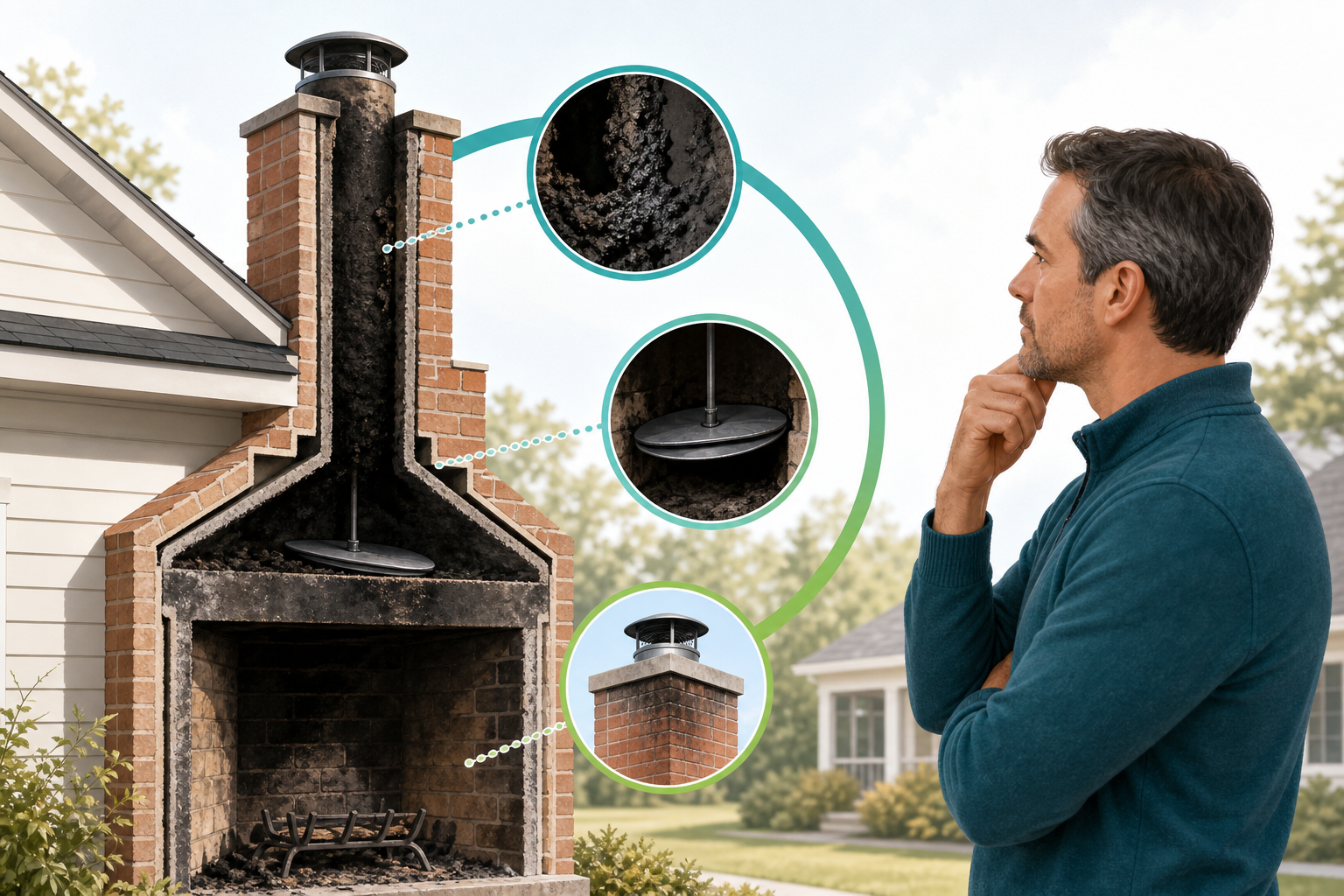
Water that travels all the way down the flue eventually reaches the smoke chamber and firebox. The smoke chamber is lined with mortar that isn't designed to stay wet. When that mortar deteriorates, it creates gaps that allow combustion gases to escape into the house rather than up and out through the flue. The firebox floor and back wall can develop cracks that compromise the fire rating of the assembly.
Interior Structural Damage
In homes where crown damage has gone unaddressed for several seasons, water eventually reaches the framing around the chimney. Roof decking, ceiling joists, and wall framing near the chimney chase can all be affected. At that point, the repair scope extends well beyond chimney work and involves addressing water-damaged structural members.
Mold Growth Inside the Chase
Sustained moisture inside the chimney chase creates a favorable environment for mold. Remediation in a chimney chase isn't a simple cleaning job—if mold has spread to surrounding framing or insulation, the scope and cost grow significantly.
The pattern is consistent: a crown repair that costs a fraction of larger chimney work becomes a multi-trade project when it's deferred through two or three wet seasons.
What Chimney Crown Repair Actually Involves
The repair approach depends on how far the damage has progressed.
Sealant application works for hairline cracks that haven't yet allowed significant water infiltration. A flexible, waterproof crown sealant is brushed over the surface to seal small cracks and restore the water-shedding layer. This is the least invasive option and appropriate when damage is caught early.
Crown resurfacing is used when cracking is more extensive but the underlying structure is still sound. The damaged surface is cleaned and a new layer of crown coat material is applied over it, restoring the slope and seal.
Full crown replacement is necessary when the crown has cracked through, broken apart, or deteriorated to the point where resurfacing won't hold. The old material is removed and a new crown is formed and poured. This is also the right approach when the crown was originally built too thin or without the proper overhang—a common defect in older homes.
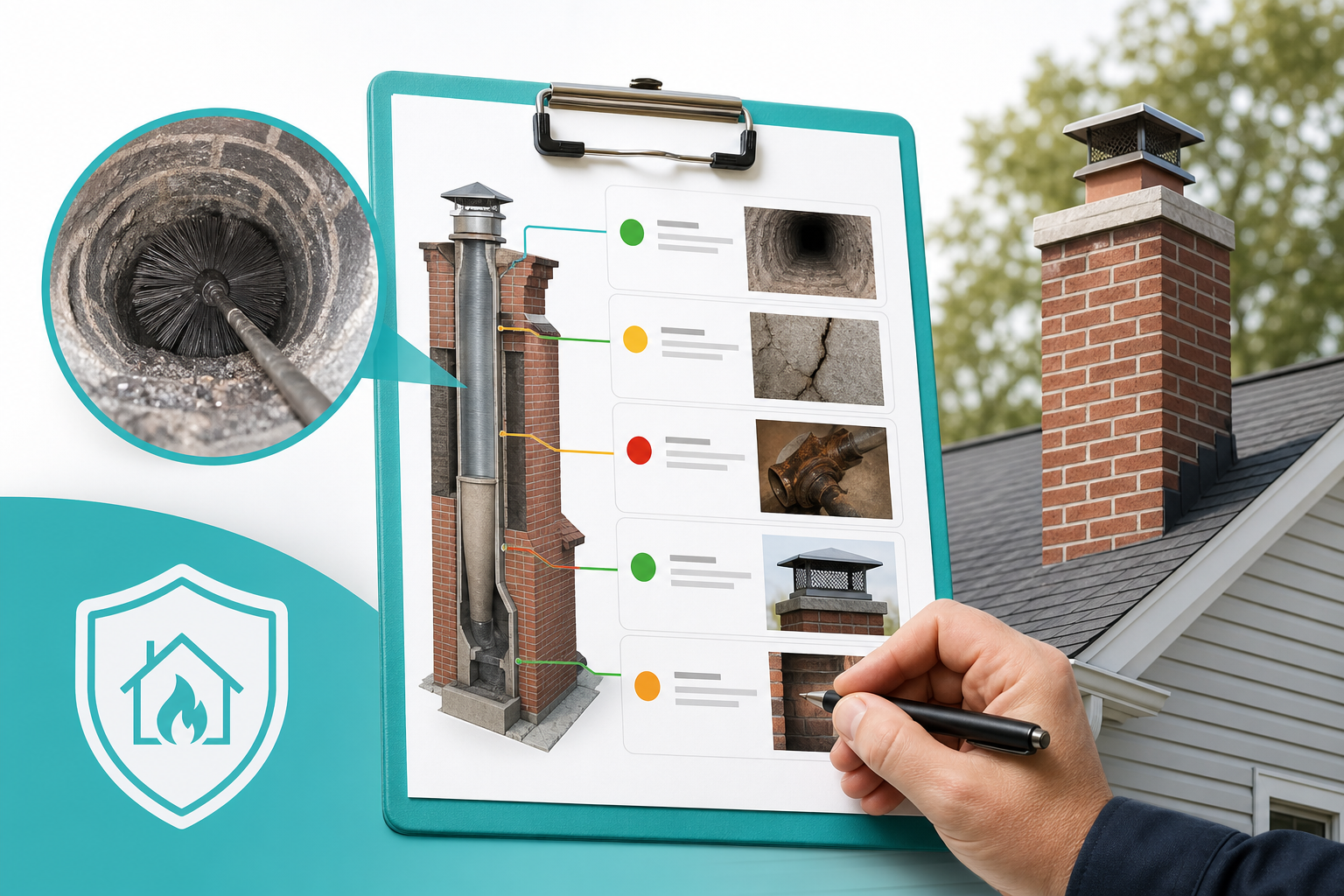
Any chimney crown repair should be paired with an inspection of the flue liner, mortar joints, and chimney cap to confirm water hasn't already caused downstream damage. Fixing the crown without checking what's below it can leave existing damage unaddressed.
Chimney Repair in New Jersey: What to Expect
New Jersey homeowners deal with a particularly demanding climate for masonry. The freeze-thaw cycle through winter and early spring is aggressive, and summer humidity accelerates mortar deterioration. Chimneys on homes built in the 1990s and early 2000s—which make up a large share of the housing stock in Monmouth, Middlesex, Bergen, and Morris counties—are reaching the age where crowns and mortar joints need attention.
If your home falls in that age range and you haven't had the chimney inspected in the last few years, scheduling a crown inspection is a reasonable preventive step, not just something to do after you spot a problem.
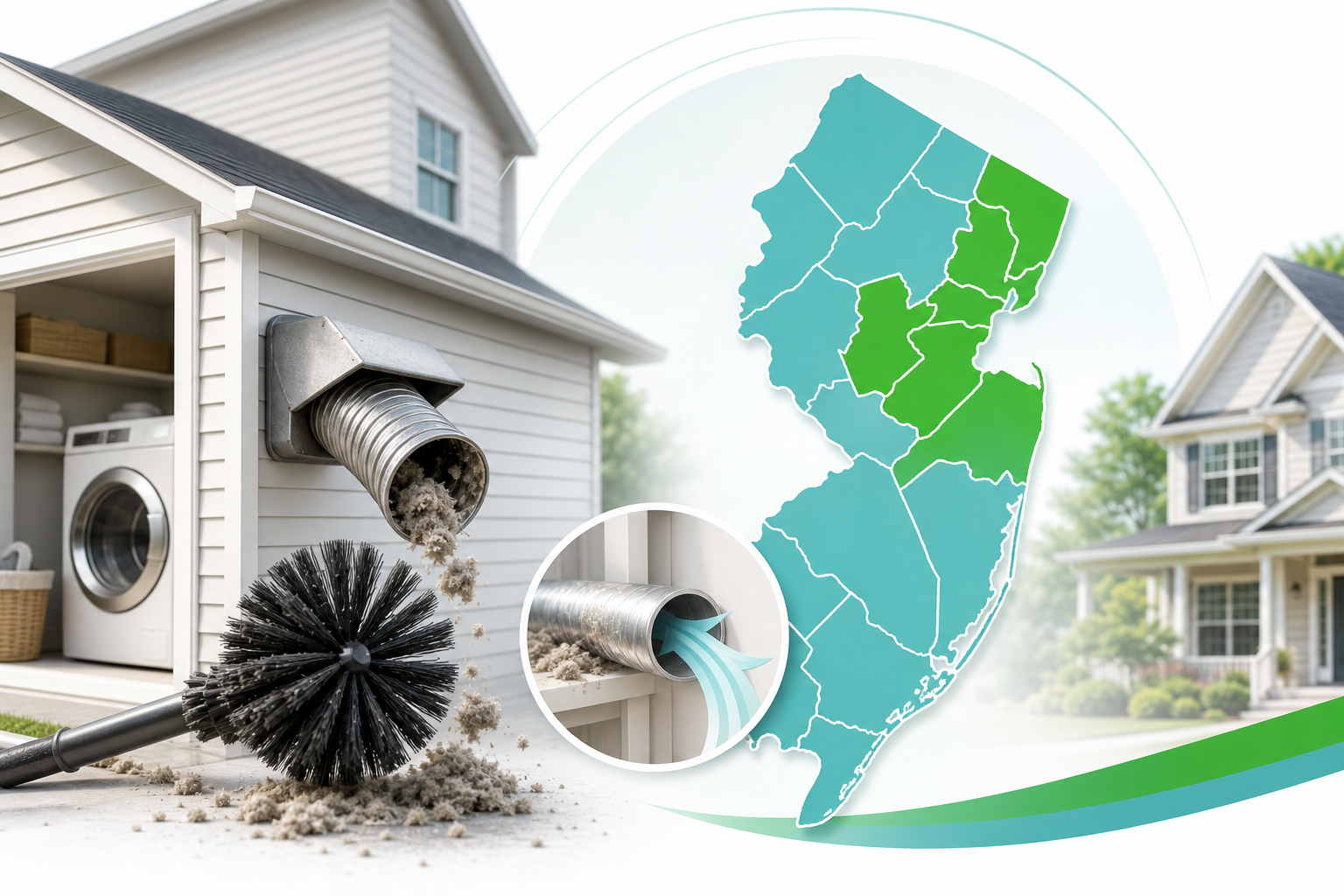
Certified Home Solution has been handling chimney repair and cleaning across New Jersey since 2017, serving homeowners in Monmouth, Middlesex, Ocean, Bergen, Somerset, Union, Essex, and Morris counties. The team handles chimney caps, crowns, bricks, dampers, and firebox components alongside chimney cleaning and sweeping—so you can address the full picture in one visit rather than coordinating multiple contractors.
Chimney cleaning and fireplace cleaning typically run $150 to $300, and chimney repair pricing is provided on request. Get a free quote by calling (732) 858-2441 or submitting a request through the contact form at certifiedhomessolution.com.
How to Reduce the Risk of Crown Damage
You can't stop the weather, but you can slow the rate at which it affects your chimney.
Have the crown inspected annually. A visual inspection by a trained technician catches small cracks before they become structural problems. Pairing this with your annual chimney cleaning keeps it to a single appointment.
Install a quality chimney cap. A well-fitted cap reduces the amount of water that reaches the crown surface directly and keeps birds and debris out of the flue.
Address mortar joint erosion promptly. Deteriorating mortar joints allow water to enter the chimney stack from the sides, not just the top. Tuckpointing those joints when they first show wear prevents water from migrating toward the crown from below.
Watch for efflorescence after rain. White streaks on the chimney face after wet weather are an early warning that water is moving through the masonry somewhere. Catching it at the efflorescence stage is far better than catching it at the spalling or interior staining stage.
Frequently Asked Questions
What is a chimney crown and why does it matter?
The chimney crown is the concrete or mortar slab at the top of the chimney stack that covers the gap between the flue liner and the outer masonry. It slopes outward to shed water and protects the bricks and mortar below it from rain and snow. When it cracks or deteriorates, water enters the chimney and causes progressive damage to the flue, mortar joints, firebox, and surrounding structure.
How do I know if my chimney crown is damaged?
Common signs include visible cracks on the crown surface, white efflorescence streaks on the chimney face, spalling bricks near the top of the stack, water stains inside the firebox or on ceilings near the chimney, and a musty smell from the fireplace after rain. A home inspector or chimney technician can confirm damage with a close inspection.
Can I seal a cracked chimney crown myself?
Hairline cracks can be addressed with a flexible crown sealant available at home improvement stores, but the repair is only as good as the surface preparation and the accuracy of the diagnosis. If the crown has cracked through, is structurally compromised, or if water has already entered the flue, a DIY sealant application won't solve the underlying problem. A professional inspection before any repair work is the safer approach.
How much does chimney crown repair cost?
The cost depends on the extent of the damage and whether the repair involves sealant application, resurfacing, or full replacement. For a specific quote on chimney repair in New Jersey, contact Certified Home Solution at (732) 858-2441 or through the online form at certifiedhomessolution.com.
How long does a chimney crown last?
A well-built crown using the right materials and proper overhang can last 20 years or more. Crowns built with standard mortar rather than purpose-formulated crown coat material tend to crack sooner—often within 5 to 10 years. Climate plays a role too: the freeze-thaw cycles common in New Jersey accelerate surface cracking compared to milder climates.
Does chimney crown damage affect my ability to use the fireplace safely?
A cracked crown alone doesn't immediately make the fireplace unsafe to use, but it sets off a chain of damage that can. If water has entered the flue and compromised the liner, or if mortar in the smoke chamber has deteriorated, combustion gases may not be contained properly. Before using a fireplace in a home where crown damage is suspected, have the full chimney system inspected.
How often should a chimney be inspected in New Jersey?
Once a year is the standard recommendation, typically before the heating season. For homes with active wood-burning fireplaces or older chimneys, an annual inspection catches wear before it becomes a repair. Pairing the inspection with a chimney cleaning covers both maintenance needs in a single visit.
The Bottom Line
Chimney crown repair is easy to defer because the damage is out of sight and the chimney still seems to work. But the crown is the first line of defense against water entering the entire chimney system—and once that defense fails, the damage compounds quickly. Cracks in the crown become deteriorated mortar joints, which become a compromised flue liner, which eventually become an interior water damage problem that involves far more than a chimney contractor.
If your home is more than 10 years old and you haven't had the crown inspected recently, this season is a reasonable time to schedule it. Catching a small crack now is a straightforward repair. Catching it after two more winters of freeze-thaw cycles is a very different conversation.