- What Chimney Cleaning Typically Costs in New Jersey
- Factors That Affect the Price of a Chimney Cleaning
- Chimney Cleaning vs. Chimney Inspection: Are They the Same?
- How Often Should You Clean Your Chimney?
- What Happens During a Professional Chimney Cleaning
- Signs Your Chimney Needs Cleaning Now
- DIY Chimney Cleaning: Is It Worth It?
- How to Get an Accurate Chimney Cleaning Quote in NJ
- Chimney Cleaning Cost Summary for NJ in 2026
- Frequently Asked Questions
- Before You Book
Chimney cleaning cost is one of those things most homeowners only think about once a year — usually right before they want to light the first fire of the season. If you're in New Jersey and trying to figure out what a chimney sweep actually costs in 2026, this guide covers it all: typical price ranges, what drives costs up or down, and what to expect when you book a professional.
The short answer: chimney cleaning in NJ typically runs between $150 and $300. But that range shifts depending on a few key factors, and knowing them upfront helps you avoid surprises on the day of service.
What Chimney Cleaning Typically Costs in New Jersey
For a standard chimney sweep on a single-flue fireplace that's been maintained regularly, most New Jersey homeowners pay somewhere between $150 and $300. That's consistent with what Certified Home Solution charges for chimney and fireplace cleaning across its eight-county service area.
That price generally covers the core work: removing creosote and soot from the flue, inspecting the firebox and visible components, and leaving the work area clean before the technician heads out. Repairs, liner replacements, and extensive blockage removal are quoted separately.
If your chimney hasn't been cleaned in several years — or you've been burning a lot of wood — expect the job to take longer and cost more. Heavy creosote buildup, especially third-degree glazed creosote, requires chemical treatments or mechanical removal before standard brushing is even possible.
Factors That Affect the Price of a Chimney Cleaning
Type and Condition of the Chimney
A single-flue masonry chimney cleaned annually is the most straightforward job. Add a second flue, a prefabricated metal chimney, or a unit that hasn't been touched in five or more years, and the price climbs. Technicians charge for time, and a dirty or complicated chimney takes more of it.
Level of Creosote Buildup
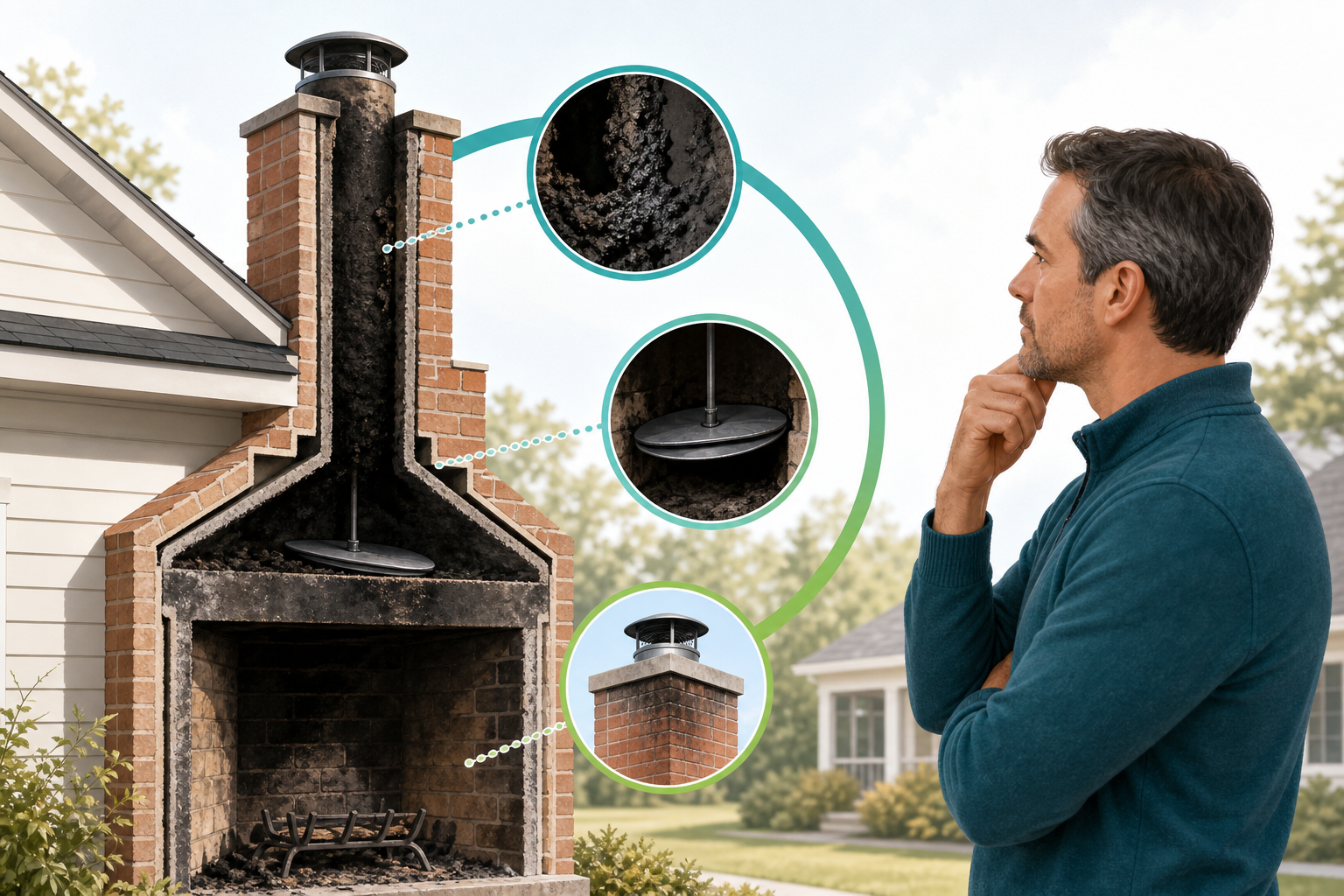
Creosote accumulates in three stages. Stage one is a light, flaky deposit that brushes away easily. Stage two is a tar-like coating that takes more effort to remove. Stage three is a hardened, glazed layer that may require rotary cleaning tools or chemical treatments before brushing is even an option. Homeowners who clean annually typically stay at stage one. Skip a few seasons and you may be looking at stage two or three — which takes longer and costs more.
Chimney Height and Accessibility
A standard two-story home with a roof-accessible chimney is routine. A steeply pitched roof, an unusually tall chimney stack, or an awkward home configuration adds complexity. Some jobs require additional safety equipment or longer setup time, both of which affect the final price.
Whether Repairs Are Needed
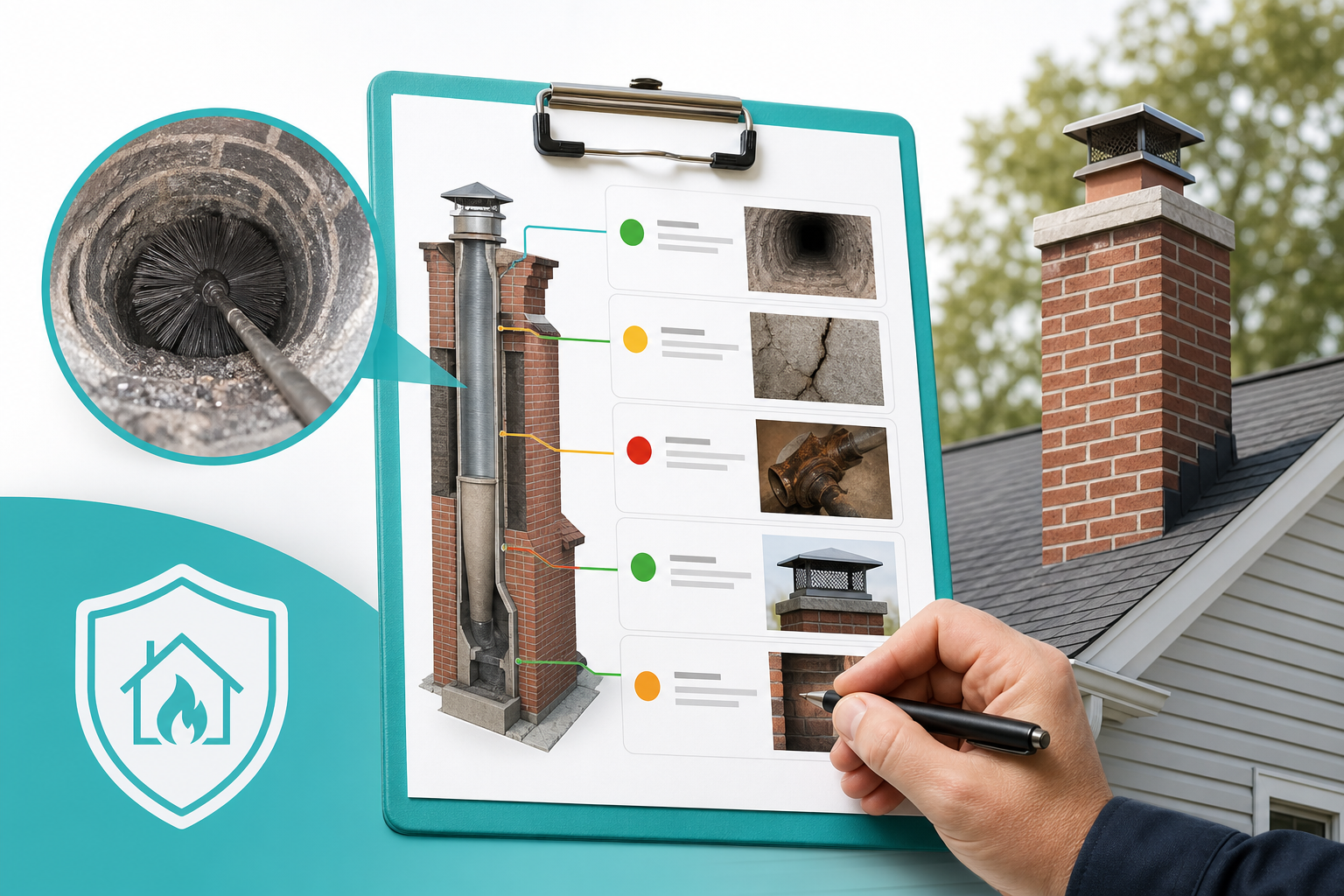
A cleaning visit often turns up issues that weren't visible before: cracked flue tiles, damaged mortar joints, a deteriorating crown, or a rusted damper. These are quoted separately from the cleaning. A good technician documents what they find and walks you through the options before any additional work begins.
Geographic Location Within NJ
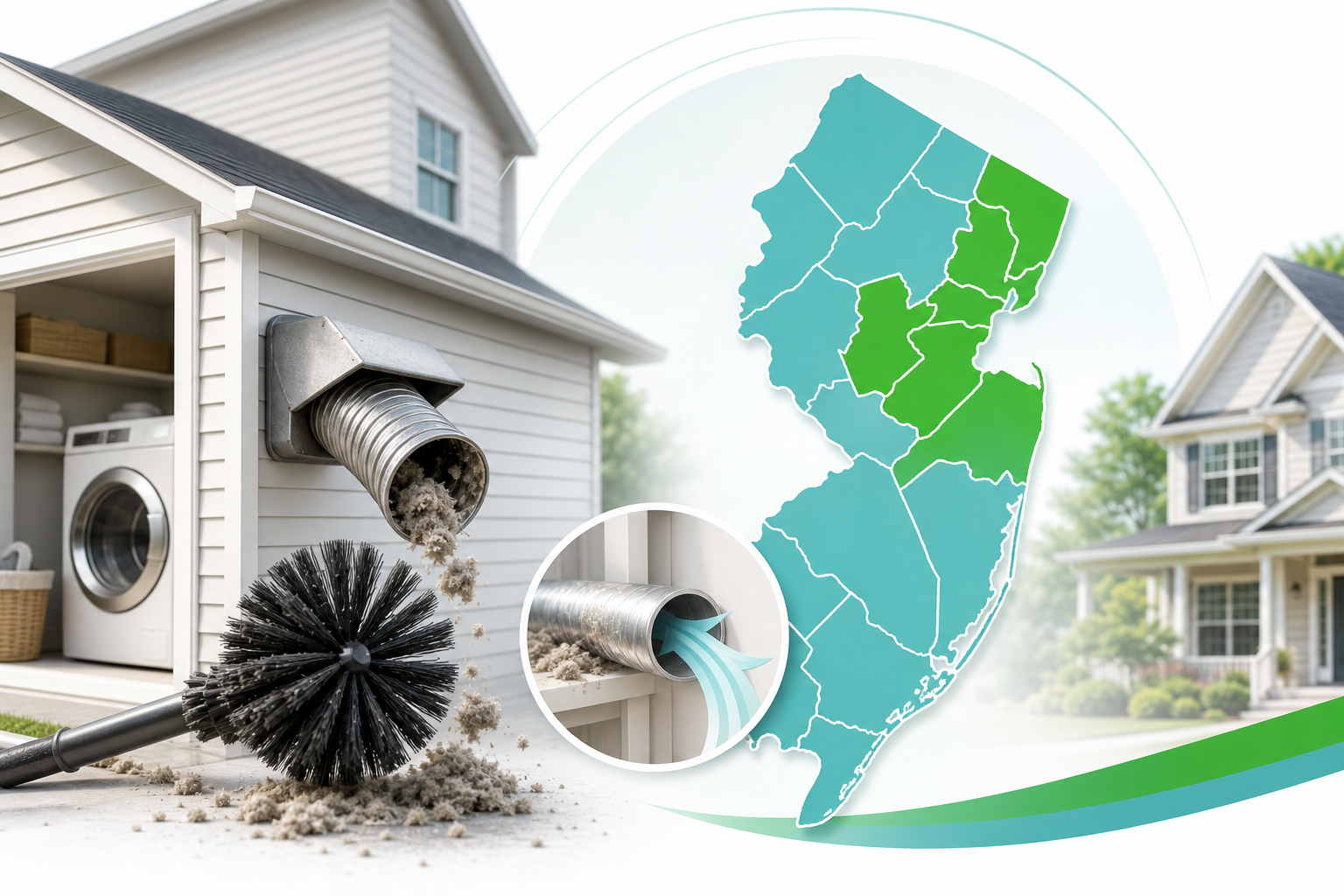
Labor costs vary slightly across the state. A home in a densely populated county with higher operating costs may see slightly higher quotes than one in a more rural area. Certified Home Solution serves eight counties across New Jersey, so pricing reflects the local market.
Chimney Cleaning vs. Chimney Inspection: Are They the Same?
No — and the distinction matters. Cleaning removes physical buildup from inside the flue. An inspection evaluates the structural and functional condition of the entire chimney system. Most companies offer both together, and that's usually the smarter choice.
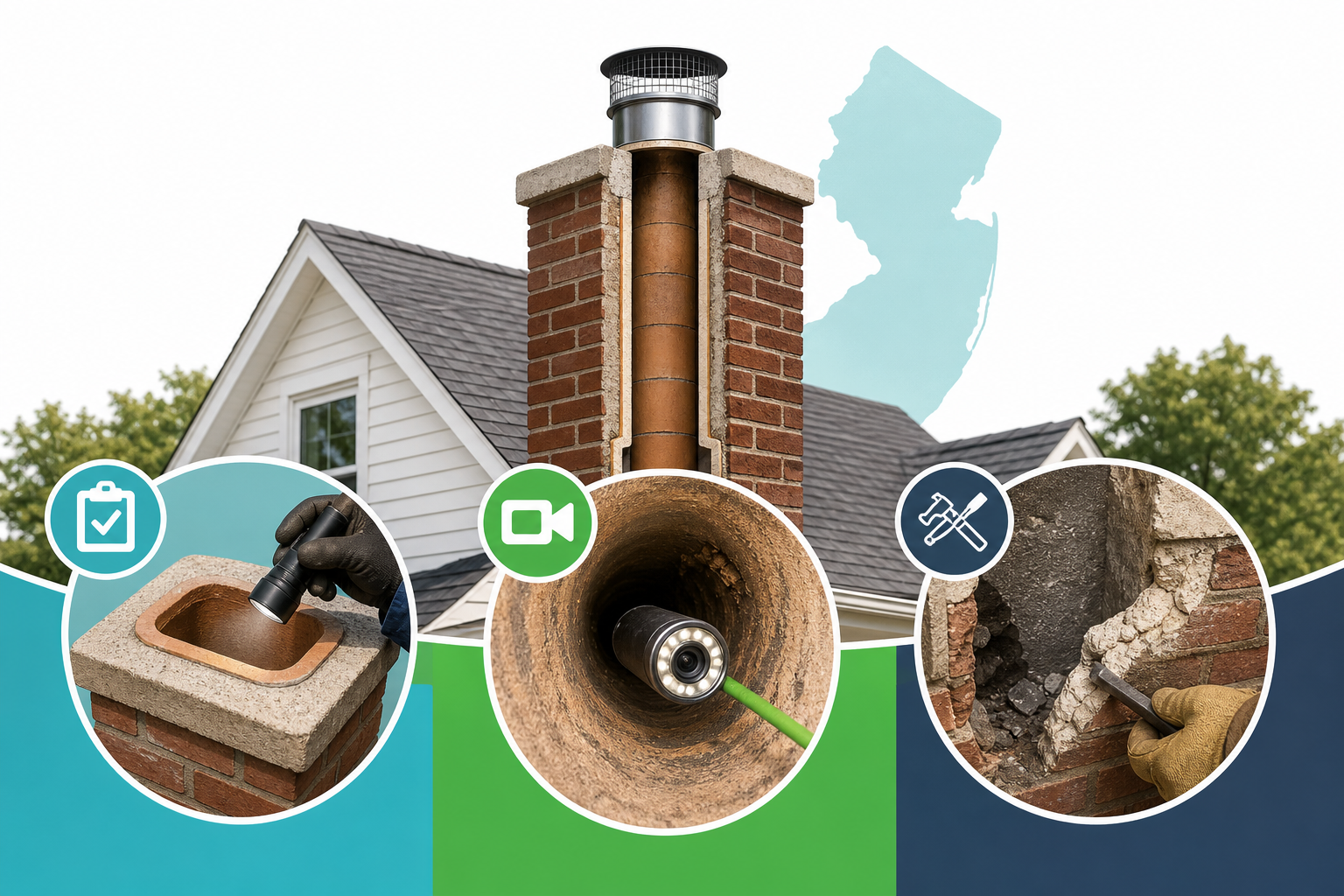
The Chimney Safety Institute of America recognizes three inspection levels. A Level 1 is a basic visual check that typically accompanies a routine cleaning. Level 2 involves more detailed examination — sometimes with video scanning equipment — and is recommended when buying a home, after a chimney fire, or following any significant change to the system. Level 3 is the most invasive and only warranted when serious damage is suspected.
If you're booking a cleaning and the technician doesn't mention an inspection, ask. A sweep who cleans without looking is missing half the job.
How Often Should You Clean Your Chimney?
The National Fire Protection Association recommends that chimneys, fireplaces, and vents be inspected at least once a year and cleaned as needed. For most wood-burning fireplace users in New Jersey, that means one cleaning per year — ideally in late summer or early fall before the heating season starts.
If you burn wood frequently, more than two or three times a week during winter, twice a year may be warranted. Gas fireplaces produce far less creosote but still benefit from annual inspection to check for blockages, animal nesting, or debris.
One more thing worth mentioning: if you're already scheduling a home maintenance visit, combining chimney cleaning with dryer vent cleaning is efficient and often more cost-effective than two separate appointments.
What Happens During a Professional Chimney Cleaning
Knowing what to expect makes the whole process easier. Here's how a typical appointment goes with a professional service like Certified Home Solution:
Before the technician arrives: Move furniture and decorative items away from the fireplace. The technician will lay down drop cloths, but clear access speeds things up.
Setup and inspection: The technician examines the firebox, damper, and visible flue components before any cleaning begins. This establishes a baseline and flags issues upfront.
Cleaning the flue: Using brushes sized to the flue dimensions, the technician works from the top down — or bottom up, depending on their method — dislodging creosote and soot. A high-powered vacuum captures debris so it doesn't settle in the room.
Firebox cleanup: The firebox and smoke chamber are brushed and vacuumed, and any remaining ash or debris is removed.
Post-cleaning review: The technician walks you through what they found, shares photos if video inspection was used, and explains any recommended repairs or follow-up work. You leave with a clear picture of your chimney's condition, not just a receipt.
For a standard chimney in reasonable condition, the whole job typically takes one to two hours.
Signs Your Chimney Needs Cleaning Now
Don't wait for the annual reminder if any of these apply:
- A strong, smoky or acrid smell from the fireplace when it's not in use
- Smoke entering the room while a fire is burning
- Black, oily residue visible on the damper or firebox walls
- Debris or animal nesting material in the firebox
- Fires that are hard to start or don't draw well
- More than a year since the last cleaning
Any of these points to buildup or a blockage. A chimney fire can start from as little as a quarter inch of creosote under the right conditions — these aren't symptoms to put off.
DIY Chimney Cleaning: Is It Worth It?
Chimney cleaning kits exist, and some homeowners do attempt the job themselves. For a lightly used fireplace with minimal buildup, a careful DIY approach can remove surface-level soot. But most homeowners underestimate how messy and physically demanding the work is — and more importantly, they skip the inspection entirely.
A professional technician isn't just cleaning. They're evaluating the liner, checking damper operation, looking for cracks or spalling, and assessing whether the system is actually safe to use. That judgment comes from training and experience, not a brush kit from a hardware store.
For a system you rely on for heat or ambiance, professional service is the practical call. The cost difference between DIY and hiring a pro is small compared to what a chimney fire or carbon monoxide issue can cost.
How to Get an Accurate Chimney Cleaning Quote in NJ
The most reliable way to get a real number is to call and describe your setup: chimney type, how often you use it, when it was last cleaned, and whether you've noticed any problems. A reputable company will ask these questions before quoting.
Be cautious of unusually low prices. The $49 chimney sweep special is a well-known bait-and-switch in the home services industry — the technician arrives, declares extensive problems, and the price balloons. Legitimate companies give honest upfront estimates based on what you describe and adjust only if the actual condition is significantly different from what was represented.
Certified Home Solution has been serving New Jersey homeowners since 2017. You can request a quote through the contact form or by phone, and pricing is provided before any work begins. For details on chimney cleaning, fireplace cleaning, and other home services, visit certifiedhomessolution.com.
Chimney Cleaning Cost Summary for NJ in 2026
| Service | Typical Price Range |
|---|---|
| Standard chimney cleaning | $150 to $300 |
| Fireplace cleaning | $150 to $300 |
| Chimney cleaning + Level 1 inspection | Often bundled — ask when booking |
| Dryer vent cleaning (for reference) | $100 to $300 |
| Repairs (liner, crown, damper) | Quoted separately |
These ranges reflect typical pricing in New Jersey as of 2026. Your actual quote depends on the factors covered above.
Frequently Asked Questions
How much does chimney cleaning cost in New Jersey?
Chimney cleaning in NJ typically costs between $150 and $300 for a standard single-flue fireplace. The exact price depends on chimney type, time since the last cleaning, creosote buildup, and job complexity.
How often should I get my chimney cleaned?
At minimum, once a year. The NFPA recommends annual inspection for all chimneys and cleaning as needed. If you use your fireplace frequently during winter, twice a year may be appropriate.
What is creosote and why does it matter?
Creosote is a byproduct of burning wood. It builds up on the inner walls of the flue and is highly flammable. Heavy accumulation is one of the leading causes of chimney fires — regular cleaning keeps it from reaching dangerous levels.
Can I clean my chimney myself?
You can remove light surface soot with a DIY kit, but you won't be able to perform the safety inspection that comes with professional service. Cracks, liner damage, and blockages are easy to miss without proper training and equipment.
What's the difference between chimney cleaning and a chimney inspection?
Cleaning removes physical deposits from the flue. An inspection evaluates the structural and functional condition of the chimney system. A Level 1 inspection is typically included or offered alongside a standard cleaning. Level 2 and Level 3 inspections are reserved for specific situations.
Does gas fireplace chimney cleaning cost the same as wood-burning?
Gas fireplaces produce far less creosote, so cleaning is often simpler and faster. Annual inspection is still recommended to check for blockages, debris, or structural issues. Pricing for gas systems typically falls at the lower end of the range.
How do I know if my chimney needs cleaning before the scheduled appointment?
Smoke entering the room, a persistent smoky smell when the fireplace isn't in use, poor draft, or visible black residue on the damper are all signs that cleaning is needed sooner rather than later. Don't wait if you're noticing any of these.
Before You Book
Chimney cleaning is one of the most cost-effective forms of home maintenance you can do. A $150 to $300 cleaning once a year is a straightforward way to protect a system that, if neglected, can cause fires or allow carbon monoxide into your living space.
If you're in New Jersey and ready to schedule, Certified Home Solution's trained technicians handle chimney cleaning, fireplace cleaning, and a range of other home services across eight counties. Get a quote at certifiedhomessolution.com and know what you're paying before anyone shows up at your door.